
 EN
EN
 ar
ar bg
bg hr
hr cs
cs da
da nl
nl fi
fi fr
fr de
de el
el hi
hi it
it ko
ko no
no pl
pl pt
pt ro
ro ru
ru es
es sv
sv tl
tl iw
iw id
id lv
lv lt
lt sr
sr sk
sk sl
sl uk
uk vi
vi et
et hu
hu th
th tr
tr fa
fa ms
ms hy
hy ka
ka ur
ur bn
bn mn
mn ta
ta kk
kk uz
uz ku
ku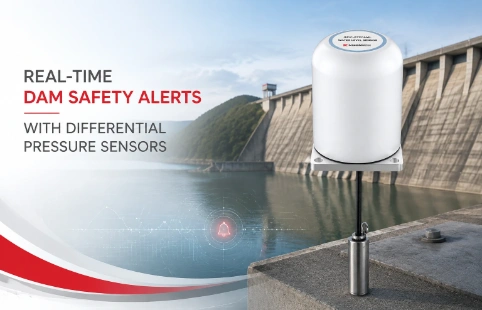
Real-Time Dam Safety Alerts with Differential Pressure Water Level Sensors
Key Takeaways An alert chain needs more than a sensor: define field in...

Pressure Data Loggers: Technical Data & Compatibility Insights
When engineers dig into pressure data loggers for long-term field monitoring, two things get looked at first: the sensor range and the price. But what often decides whether a deployment goes smoothly is how well the device plays with existing hardware and how transparent the manufacturer is about its performance limits. Kingmach focuses less on marketing fluff and more on making detailed technical data available early—things like long-term drift figures, resolution under low sampling rates, and real communication protocol compatibility lists. For applications from borehole water levels to pipeline pressure monitoring, having that level of detail upfront cuts down on integration guesswork and keeps maintenance teams from pulling their hair out later. These loggers aren’t black boxes; the engineering choices behind them are documented so project leads can evaluate fit without calling support for every little parameter.
Technical Detail
Kingmach builds its pressure data logger lineup around the idea that you shouldn’t have to pray for compatibility or guess about accuracy months after installation. The devices typically span common industrial ranges—vacuum to 10,000 psi—using strain gauge or piezo-resistive sensors, but the more practical focus is on how measurement specs hold up under real conditions. For instance, instead of a single “accuracy” figure, you’ll find breakdowns of linearity, hysteresis, and repeatability at multiple points, plus thermal compensation coefficients that make it clearer whether the logger needs a shelter in direct sun or can live with a simple shield. Sampling intervals are configurable down to 1 second, and storage runs to hundreds of thousands of time-stamped readings per deployment, which means seasonal monitoring jobs don’t require monthly site visits to download data. On the connectivity side, many models support Modbus RTU/ASCII, SDI-12, or 4-20 mA outputs, and custom protocol integration is available for projects where the central SCADA refuses to budge. Battery life estimates are paired with test conditions rather than best-case lab scenarios, and replaceable or rechargeable options are noted where available. Housing options are rated IP67 or IP68 for submersion, and you can get field-swappable sensor elements so a flooded transducer doesn’t scrap the whole logger. Since no single configuration fits all sites, Kingmach accepts custom range calibrations, ruggedized cabling, and even non-standard communication baud rates as part of order specification, not as an afterthought. The result is less time spent on site rigging adapters and more time getting clean data from the first week.
News
Key Takeaways An alert chain needs more than a sensor: define field in...
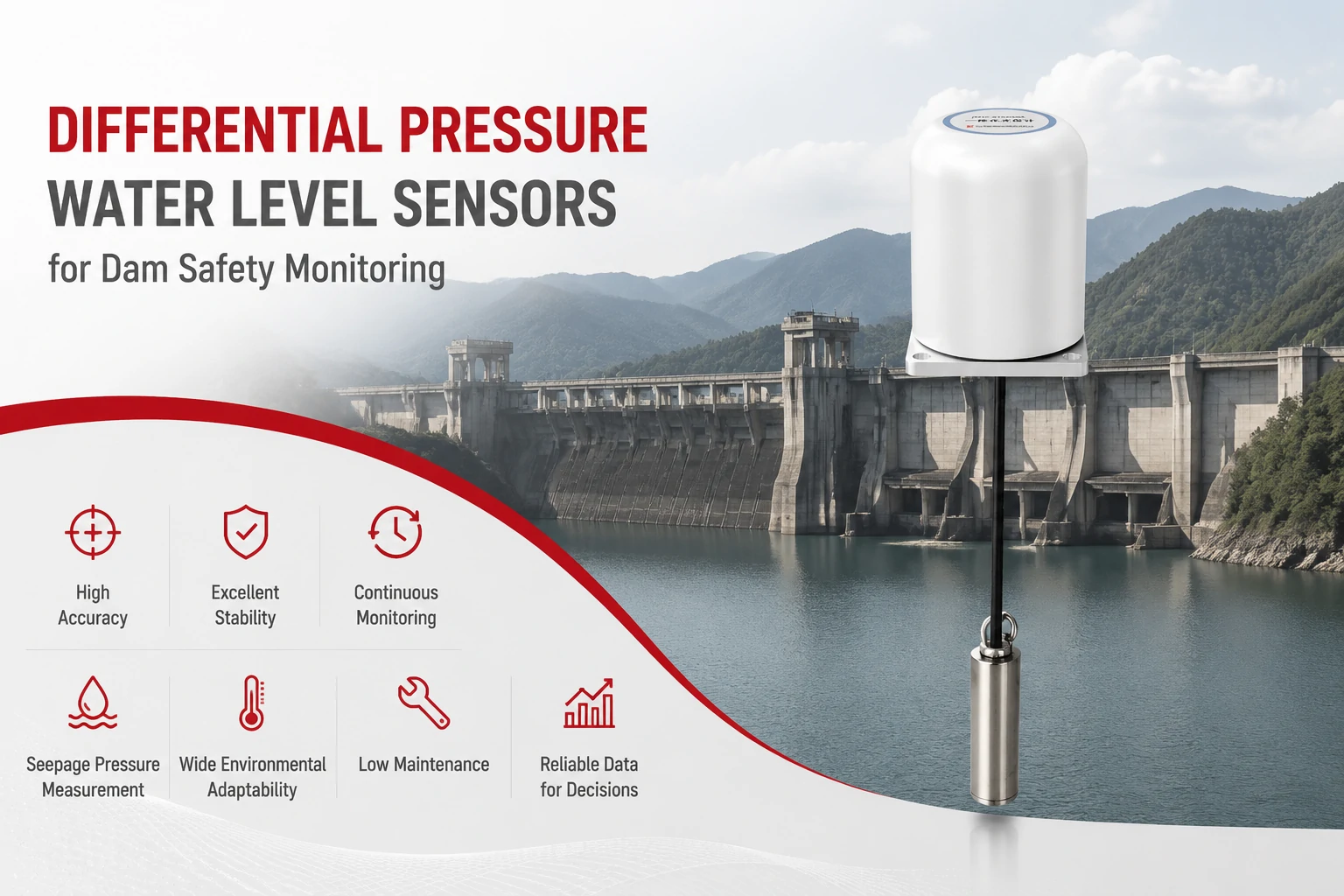
Key Takeaways The strongest fit is usually a confined, submerged, or s...
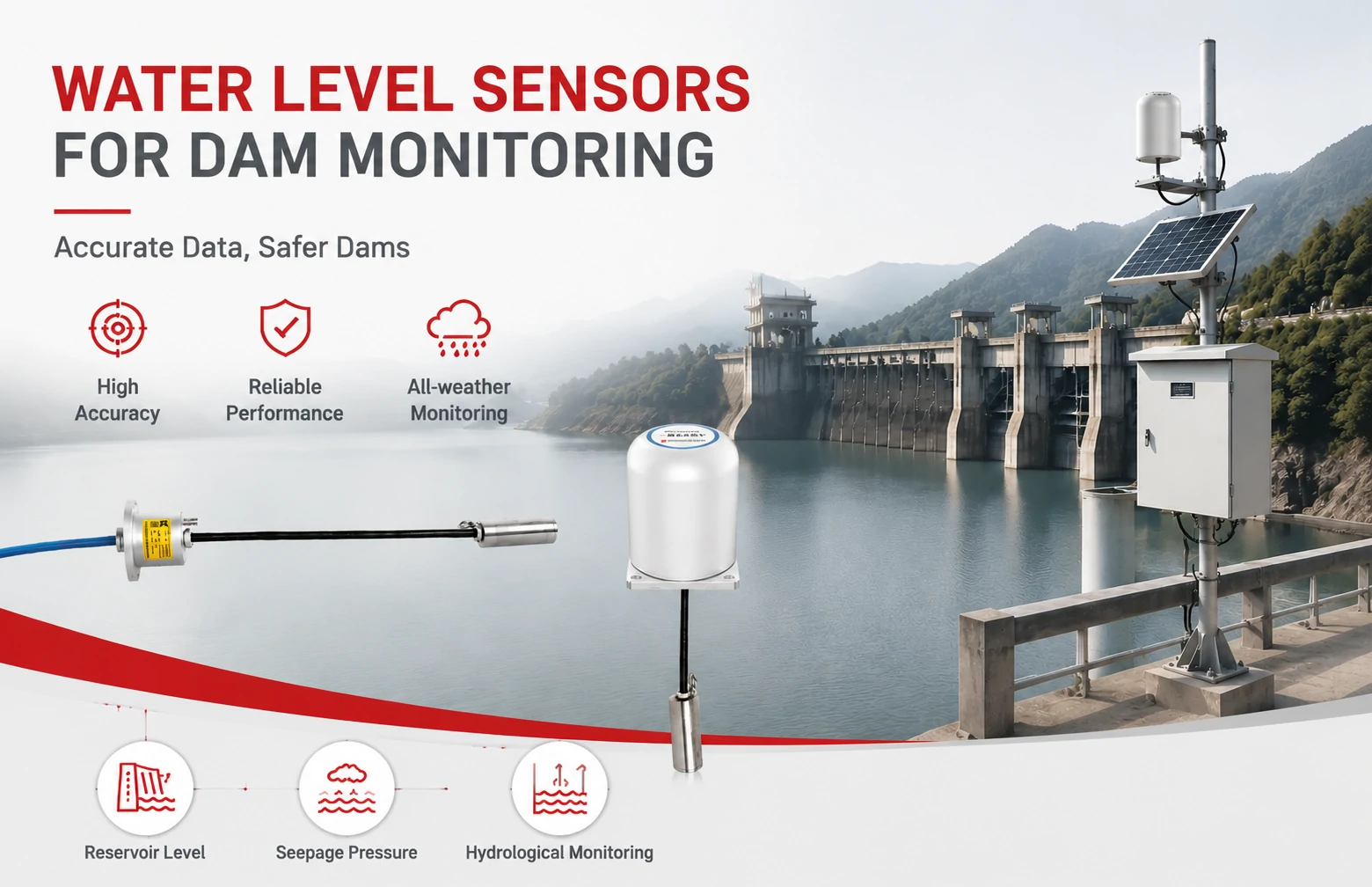
Kingmach Water Level Sensors for Dam Monitoring: A Buyer's Guide to Differential Pre...
Products
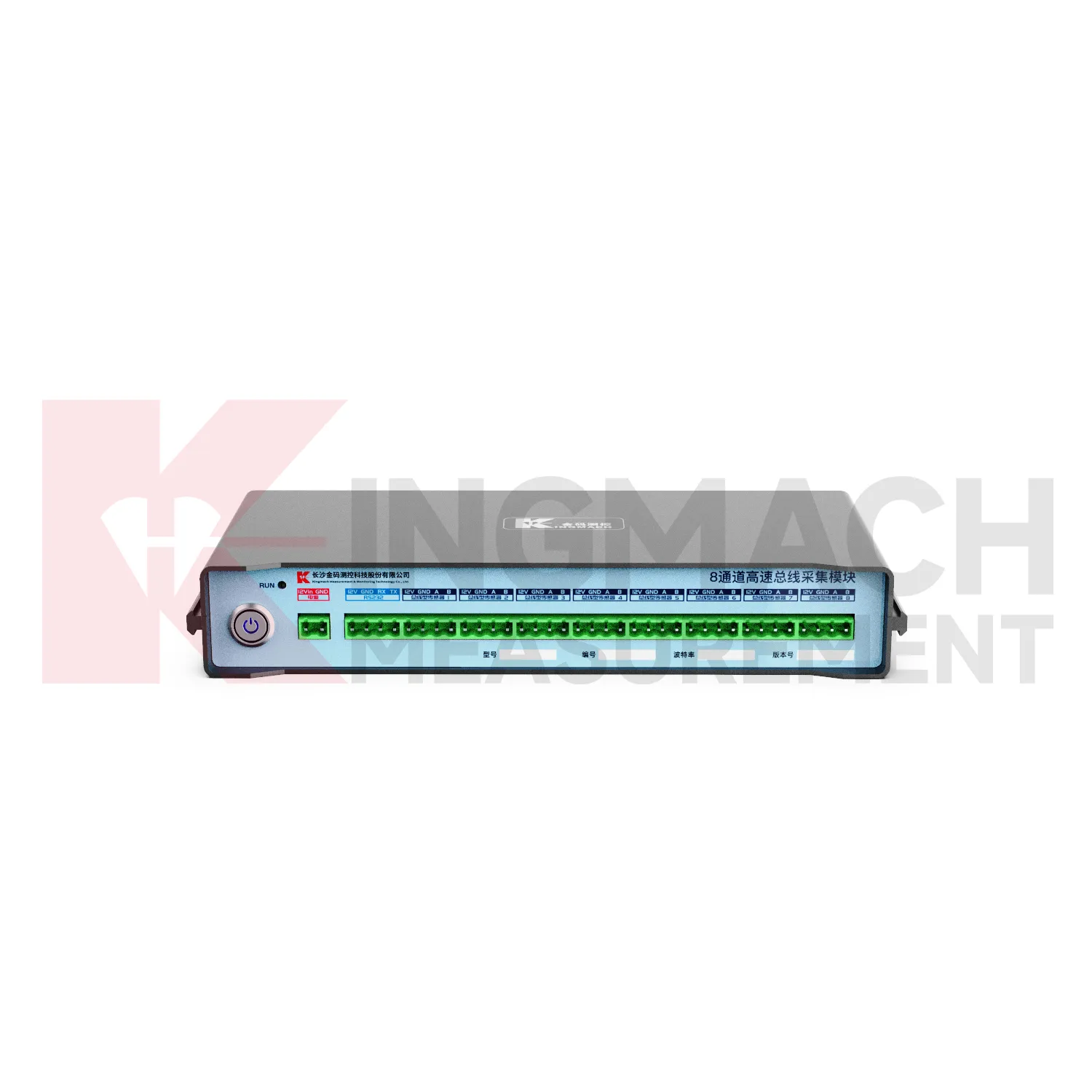
8-channel high-speed bus acquisition module JMJK-8DH
View Details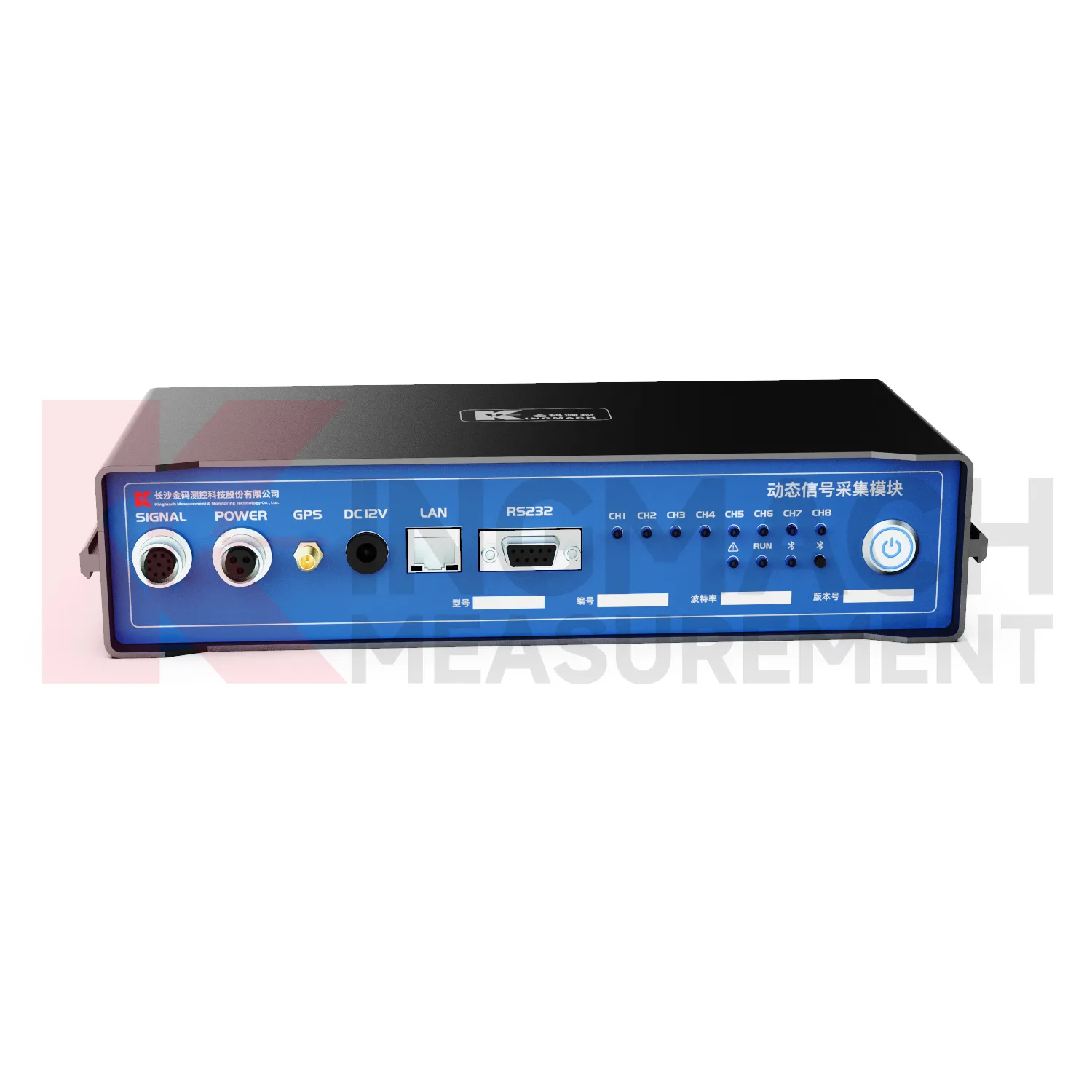
Dynamic signal acquisition module JMYD-1008XC
View Details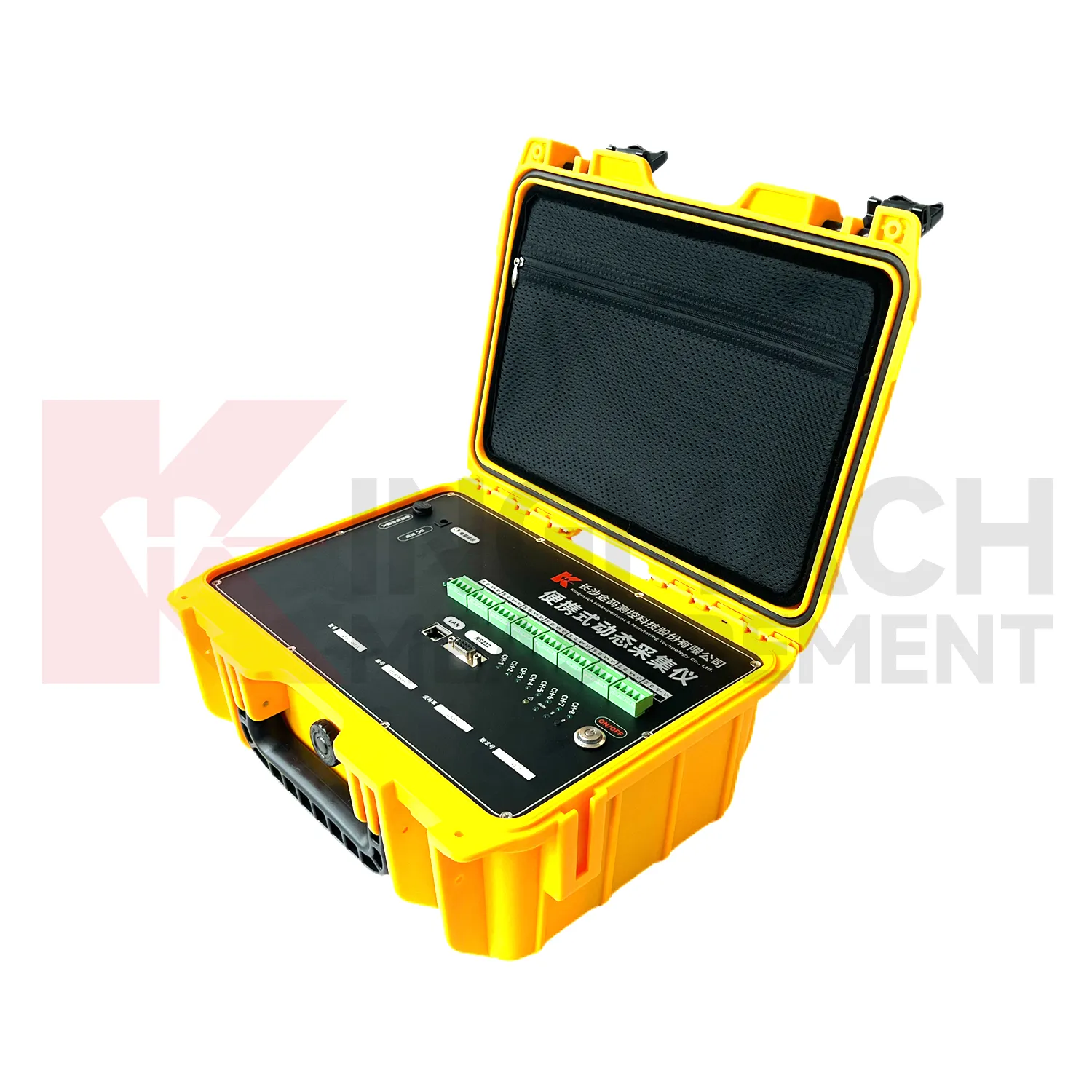
Portable Dynamic Signal Acquisition Readout JMYS-1008BX
View DetailsFAQ
It depends on the model, but most units we supply store between 200,000 and 500,000 time-stamped readings. That’s enough for hourly sampling over a year, so seasonal groundwater or pipeline monitoring rarely needs a field trip just to offload memory.
Yes. Many of our pressure loggers natively support Modbus RTU over RS-485, and we can pre-configure register maps to match your existing system’s expectations. For networks that use SDI-12 or simple 4-20 mA loops, we have corresponding output versions too.
We provide drift specifications rather than just initial accuracy numbers. Typical long-term stability is within 0.1% to 0.25% of full scale per year under recommended temperature ranges, assuming no physical damage. We include those curves in the datasheet so you can factor drift into your maintenance schedule.
Not usually. Most of our designs separate the sensor element from the logger body. If the transducer is damaged by a pressure spike or debris, you can field-swap the sensor assembly without replacing the entire logger, which saves downtime and keeps your calibration history intact on the main unit.
Yes, custom calibration is a standard part of order processing. If you’re monitoring a 0-50 psi range, we can calibrate multiple points within that span instead of using a generic wide-range curve. Just let us know the span and preferred units, and we’ll tune the logger before shipping.
Share your product type, target capacity, and application requirements. Our team can review the details and recommend a practical next step.
If you are interested in our products or want to become our partner.
Please leave your contact information, our team will contact you as soon as possible.
Mail: [email protected]
Contact Us: +8613808434127
Address: No. 188 Tongzipo West Rd, Changsha, Hunan, China