
 EN
EN
 ar
ar bg
bg hr
hr cs
cs da
da nl
nl fi
fi fr
fr de
de el
el hi
hi it
it ko
ko no
no pl
pl pt
pt ro
ro ru
ru es
es sv
sv tl
tl iw
iw id
id lv
lv lt
lt sr
sr sk
sk sl
sl uk
uk vi
vi et
et hu
hu th
th tr
tr fa
fa ms
ms hy
hy ka
ka ur
ur bn
bn mn
mn ta
ta kk
kk uz
uz ku
ku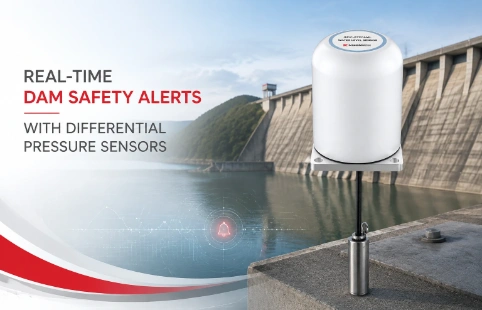
Real-Time Dam Safety Alerts with Differential Pressure Water Level Sensors
Key Takeaways An alert chain needs more than a sensor: define field in...

Magnetostrictive Displacement Transducers for Tough Monitoring Jobs
When monitoring dam movement, tunnel convergence, or deep foundation settlement, sensor data has to hold up. Drift and noise aren’t just annoyances—they can trigger false alarms or hide real shifts. That’s where magnetostrictive displacement transducers earn their keep. Unlike potentiometric or LVDT sensors, magnetostrictive technology reads the position of a magnetic marker absolutely—no need to re-zero after power loss. Kingmach builds these transducers with the field in mind: sealed housings, flexible rod‑style or profile configurations, and output options that plug into most data loggers. The company supplies a broad range of geotechnical instruments and routinely customizes units for specific project requirements. With a distribution network spanning several continents, local technical support is usually closer than you’d expect. If you’re replacing aging sensors or specifying for a new monitoring network, it’s worth looking at what a modern magnetostrictive design can do for measurement reliability.
Technical Detail
Kingmach’s magnetostrictive displacement transducers use the magnetostriction principle—a current pulse interacts with a magnetic float, producing a torsional strain wave that travels along a waveguide. The time‑of‑flight is converted into a displacement reading with high linearity and repeatability. Because the sensing element has no electrical contacts moving along a resistive track, there’s virtually no mechanical wear. Typical non‑linearity figures stay within industry norms for structural monitoring (often 0.02% to 0.05% of full scale, depending on stroke and output type), and the signal remains stable over millions of cycles. IP67 or IP68 sealing is common, allowing installation in submerged or high‑humidity environments. Output versions include analog (4‑20 mA, 0‑10 V) and digital (SSI, Modbus), making integration straightforward with PLCs and remote terminal units. Stroke lengths can be specified from a few centimeters to several meters, and Kingmach frequently supplies non‑standard ranges and mechanical mountings to match existing borehole or bracket setups. Since the electronics can be housed separately from the rod, long cable runs up to a few hundred meters are feasible without signal degradation—a practical advantage for dam abutment and slope monitoring. Field support covers installation guidance, troubleshooting, and spare float kits. If you’re not sure which configuration fits the monitoring plan, the engineering team typically reviews sensor placement drawings and recommends the right housing, sealing, and output protocol.
News
Key Takeaways An alert chain needs more than a sensor: define field in...
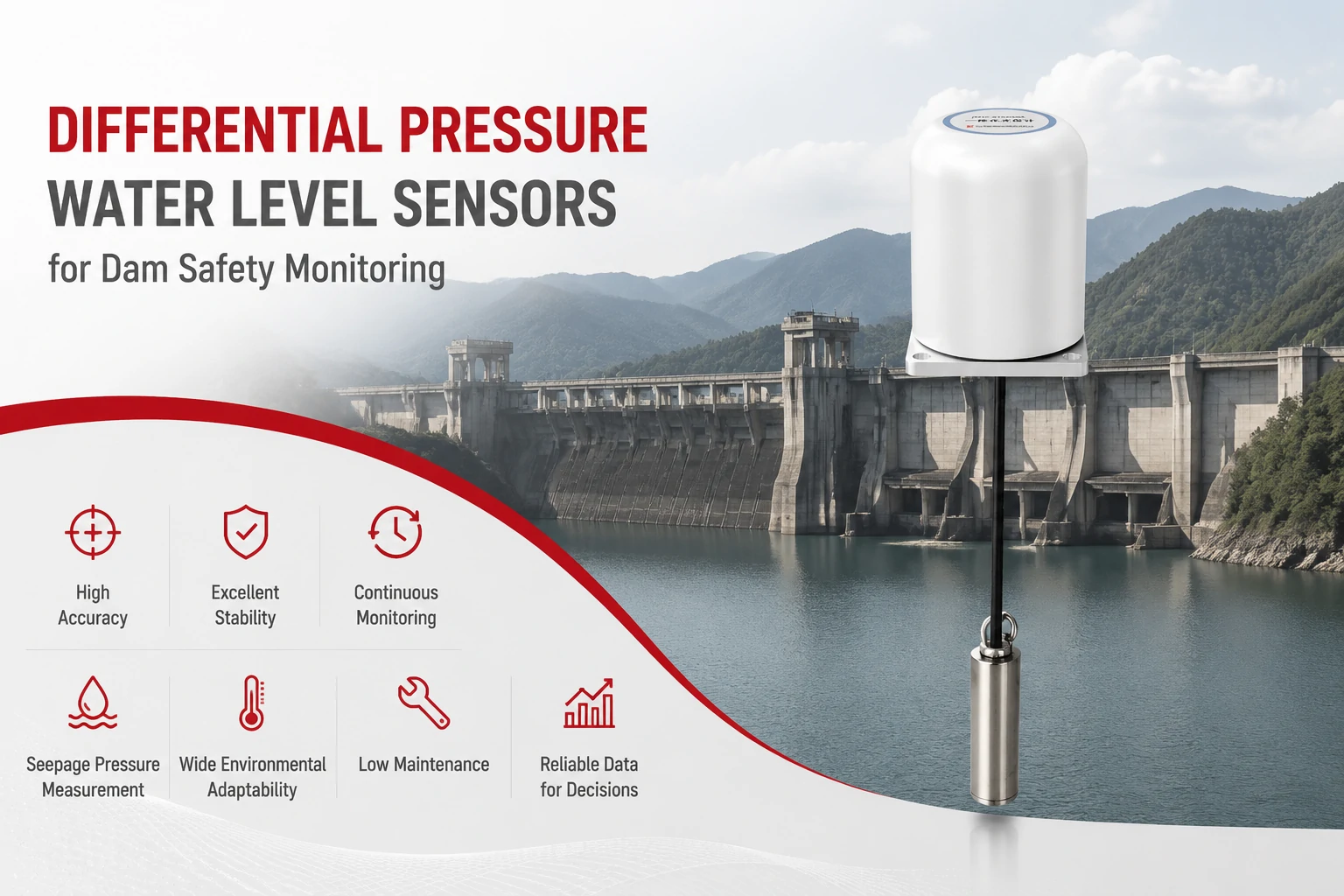
Key Takeaways The strongest fit is usually a confined, submerged, or s...
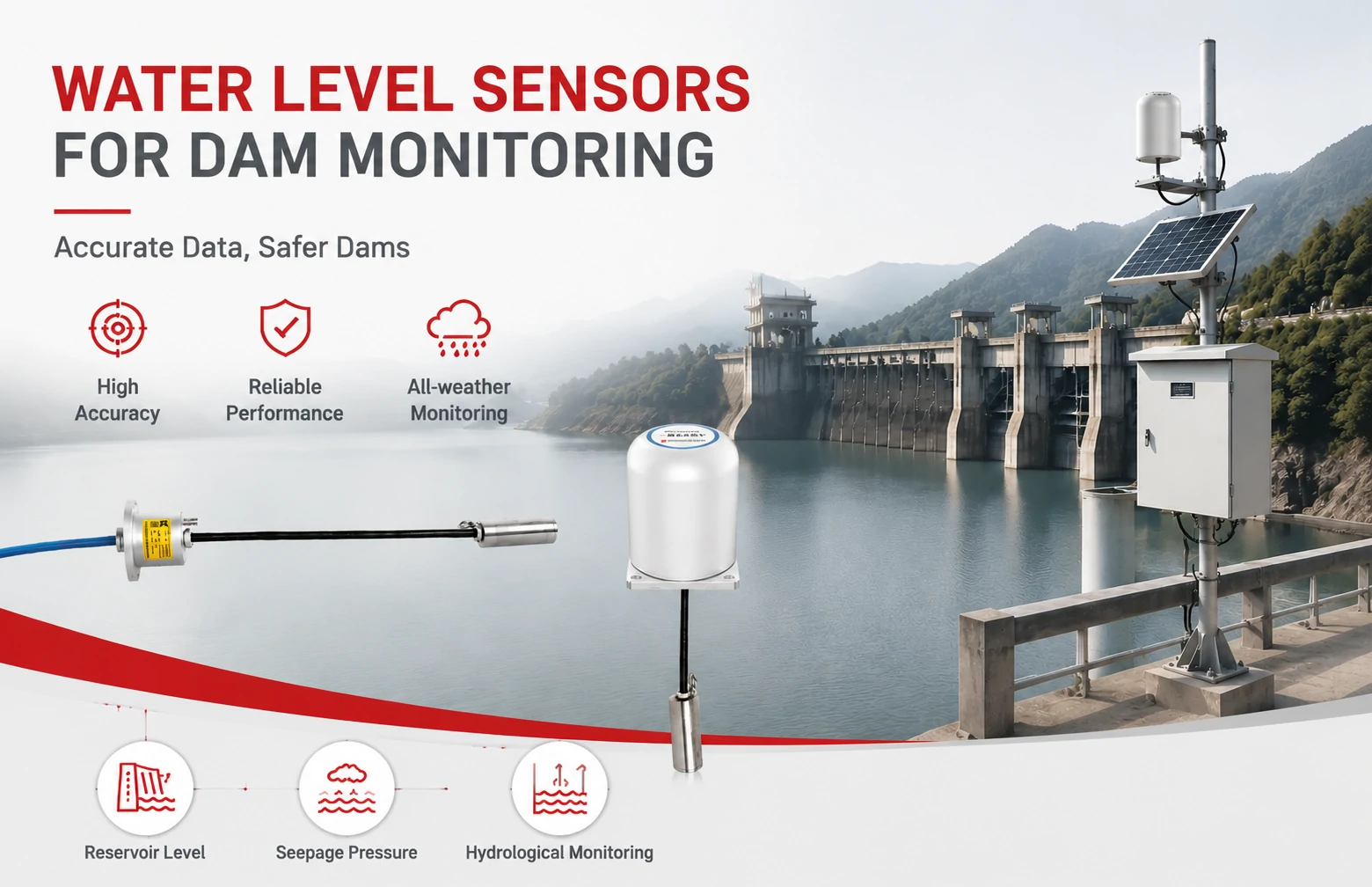
Kingmach Water Level Sensors for Dam Monitoring: A Buyer's Guide to Differential Pre...
Products
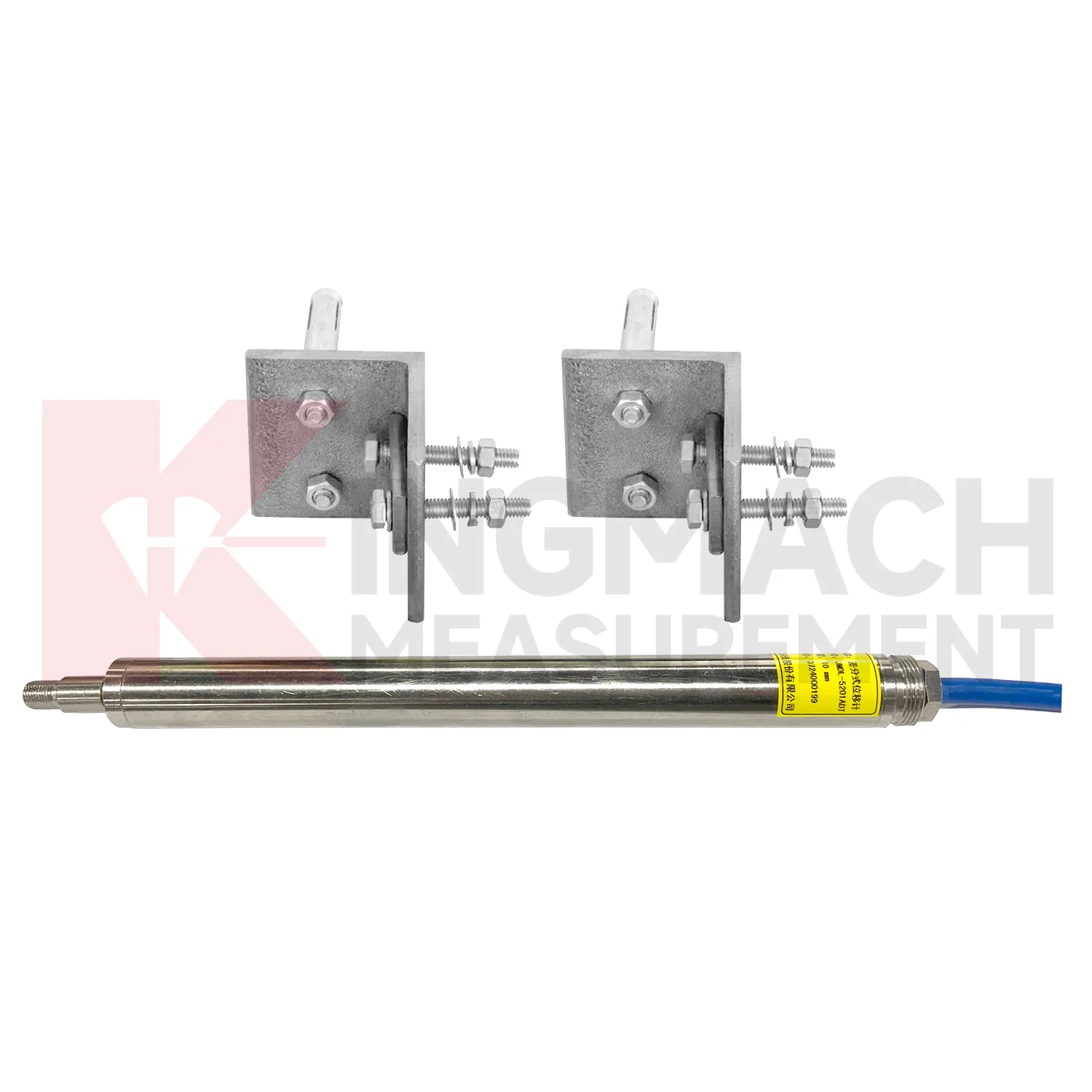
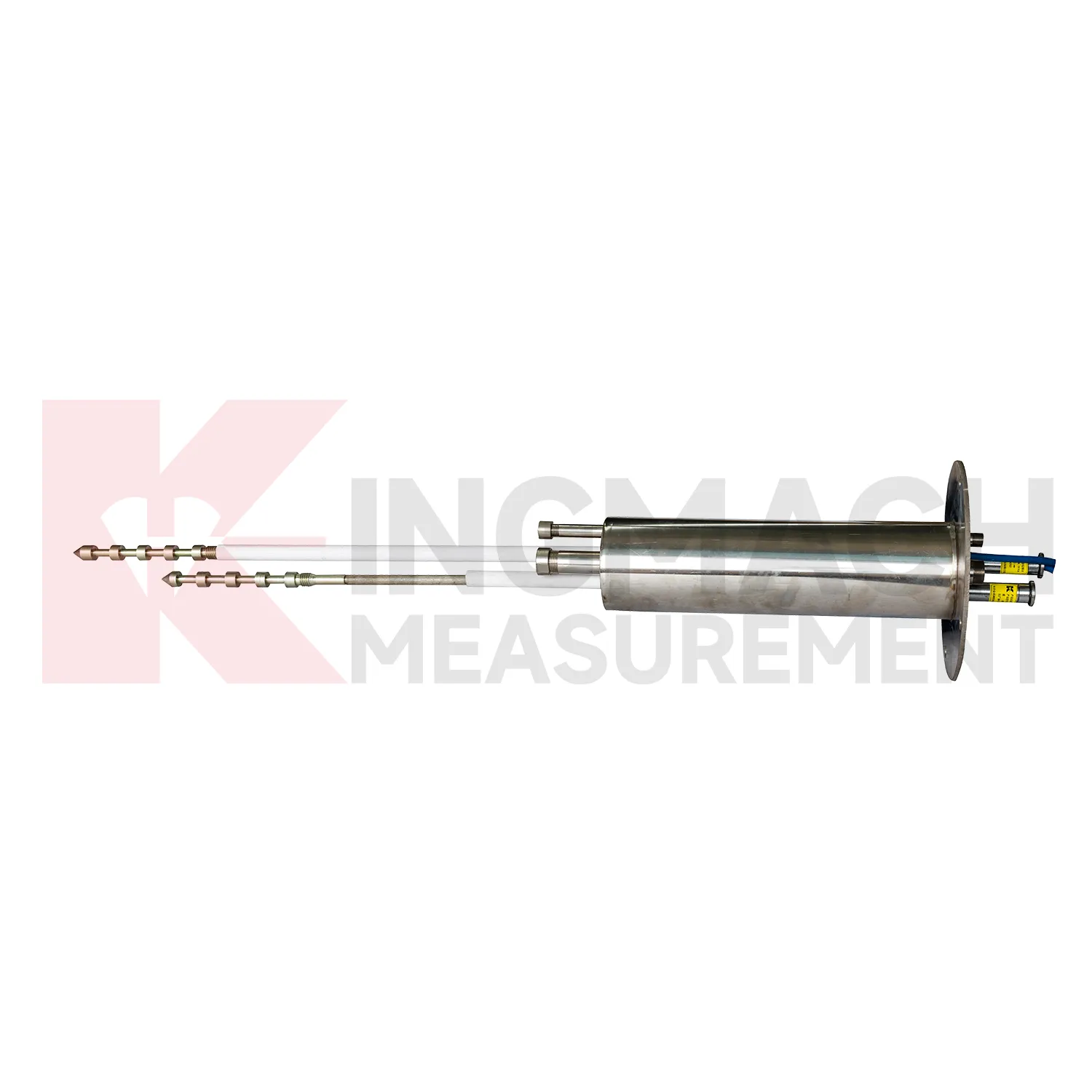
Smart Multipoint Displacement Meter JMDL-31XXAT
View Details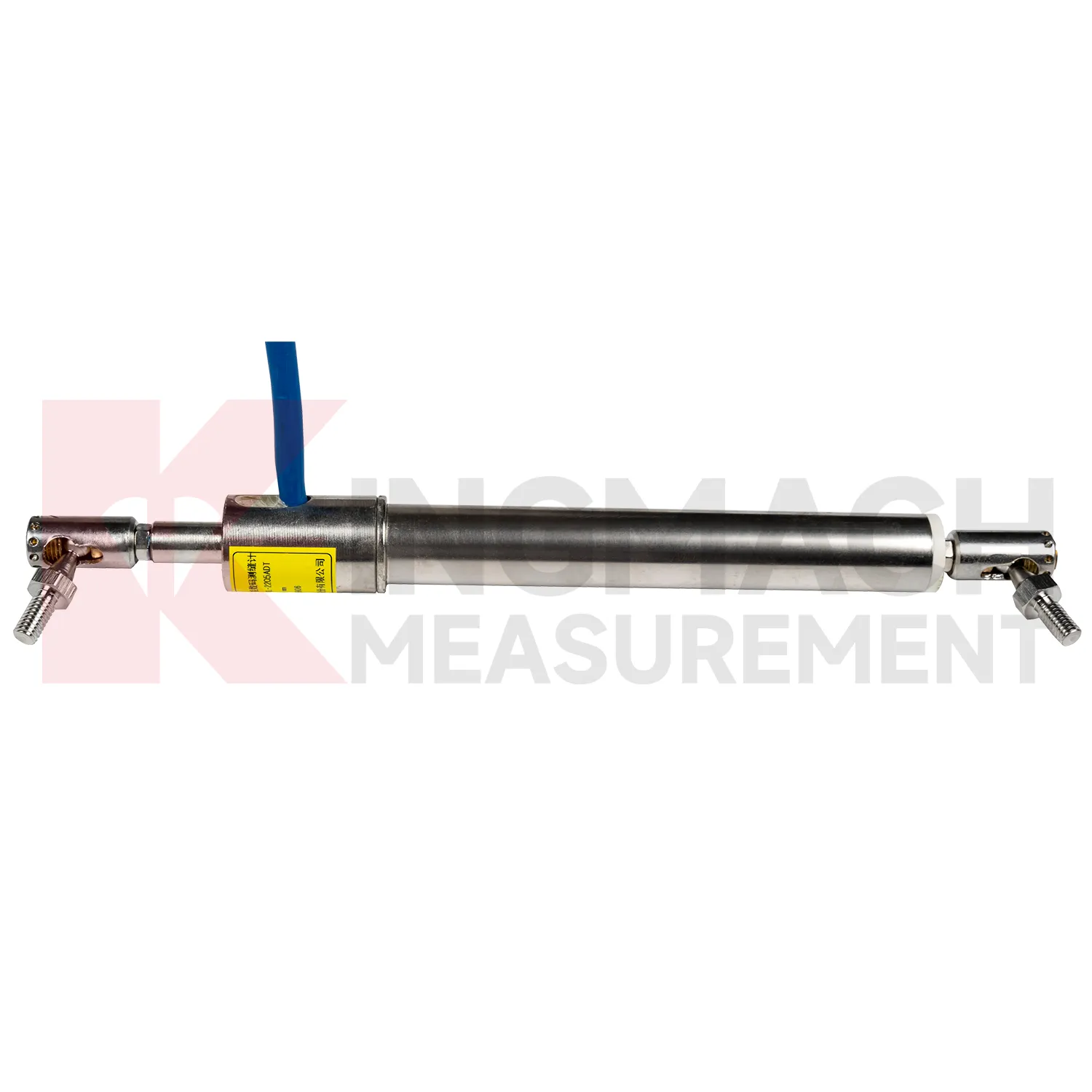
FAQ
LVDTs can deliver high precision, but they often need a conditioned AC supply and are more sensitive to contamination in the core‑bore space. Magnetostrictive transducers work with a simple DC supply and have a sealed rod that tolerates moisture and debris. For years‑long geotechnical projects, they tend to show less zero drift and require fewer field recalibrations.
Standard strokes usually cover 50 mm to 1500 mm, but longer rods up to 3 m or more are built to order. Many slope and dam projects use lengths around 200–500 mm. Non‑standard ranges don’t add much lead time—we often cut and calibrate the waveguide to the exact range you need.
Yes. IP68 versions with molded cable glands and dual‑seal construction are rated for continuous immersion up to a few bars of pressure. They’ve been installed in stilling wells, inside boreholes with fluctuating water tables, and on marine structures. Rod material is typically stainless steel, and the electronics housing can be remote‑mounted if the submerged depth exceeds connector specs.
Magnetostrictive technology handles velocity well—typical tracking speeds lie in the 1–3 m/s range depending on model. If you’re monitoring high‑speed applications like hydraulic cylinder feedback, the factory can specify a higher‑speed waveguide and faster update rate. For geotechnical creep monitoring, speeds are negligible, so the standard design is more than sufficient.
Share your product type, target capacity, and application requirements. Our team can review the details and recommend a practical next step.
If you are interested in our products or want to become our partner.
Please leave your contact information, our team will contact you as soon as possible.
Mail: [email protected]
Contact Us: +8613808434127
Address: No. 188 Tongzipo West Rd, Changsha, Hunan, China