
 EN
EN
 ar
ar bg
bg hr
hr cs
cs da
da nl
nl fi
fi fr
fr de
de el
el hi
hi it
it ko
ko no
no pl
pl pt
pt ro
ro ru
ru es
es sv
sv tl
tl iw
iw id
id lv
lv lt
lt sr
sr sk
sk sl
sl uk
uk vi
vi et
et hu
hu th
th tr
tr fa
fa ms
ms hy
hy ka
ka ur
ur bn
bn mn
mn ta
ta kk
kk uz
uz ku
ku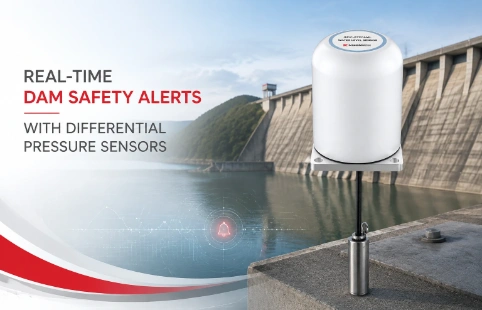
Real-Time Dam Safety Alerts with Differential Pressure Water Level Sensors
Key Takeaways An alert chain needs more than a sensor: define field in...

Modal Testing System That Works in the Field
Understanding how a structure actually behaves under dynamic loads isn't just theory—it's what keeps a dam in place and a bridge safe under traffic. A modal testing system turns that need into measurable data, giving engineers the natural frequencies, mode shapes, and damping values they can trust. At Kingmach, we didn't start with a lab prototype and try to ruggedize it later. Our background is in geotechnical and structural monitoring, so the hardware is built to handle dust, humidity, and long cable runs on site. We see a lot of demand from teams who need to validate finite element models against real-world vibration data, or track how structural properties shift over time. The system scales from a few accelerometers for a quick survey to dozens of channels for a full modal analysis. Setup is straightforward, and the software doesn't assume you're a PhD in vibration theory. It's more about giving you clear, actionable data without a steep learning curve.
Technical Detail
Modal testing systems from Kingmach are used on everything from concrete spillways to steel truss bridges, and each project tends to bring its own constraints—channel count, sensor types, weather exposure, you name it. The core of the system is a multi-channel data acquisition unit that handles IEPE accelerometers and can sync with other sensor types like displacement transducers if needed. Sampling rates and anti-aliasing filters are set to match the structure's expected frequency range, typically from a fraction of a hertz for large dams up to several hundred hertz for steel components. Post-processing software extracts mode shapes and damping ratios, and it lets you animate deflected shapes so you can spot weak points visually. Since field conditions are rarely ideal, we built in checks for cable faults and sensor overload, which saves a lot of troubleshooting time. Custom orders are common: maybe you need a higher channel count, a weatherproof enclosure with solar power, or integration with existing SCADA systems. Our support team can walk you through the first few tests remotely, and if a channel goes down, we have spare parts in regional hubs. Compared to renting equipment for each campaign, buying a system often makes sense when monitoring is ongoing or you need repeatable setups across multiple sites.
News
Key Takeaways An alert chain needs more than a sensor: define field in...
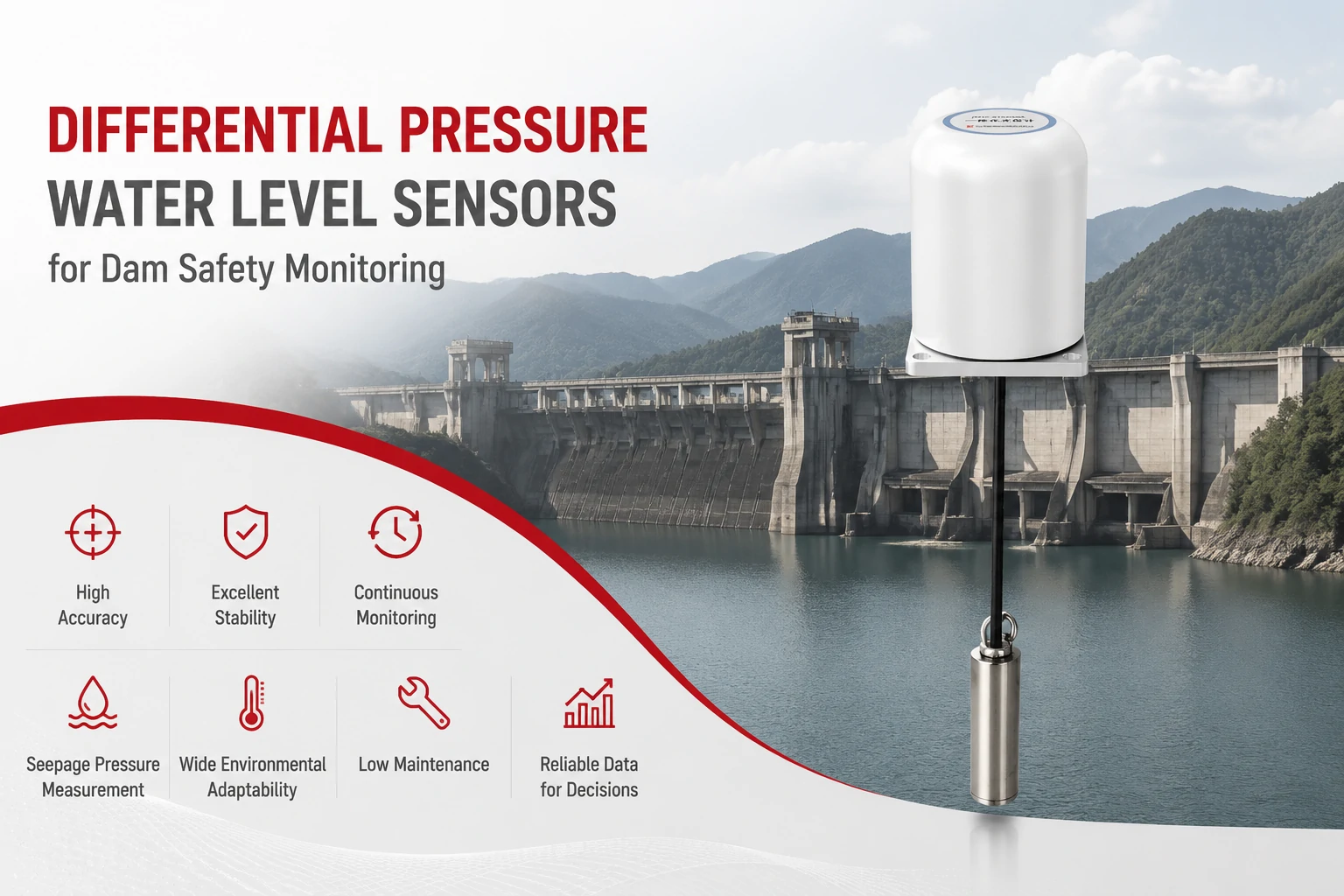
Key Takeaways The strongest fit is usually a confined, submerged, or s...
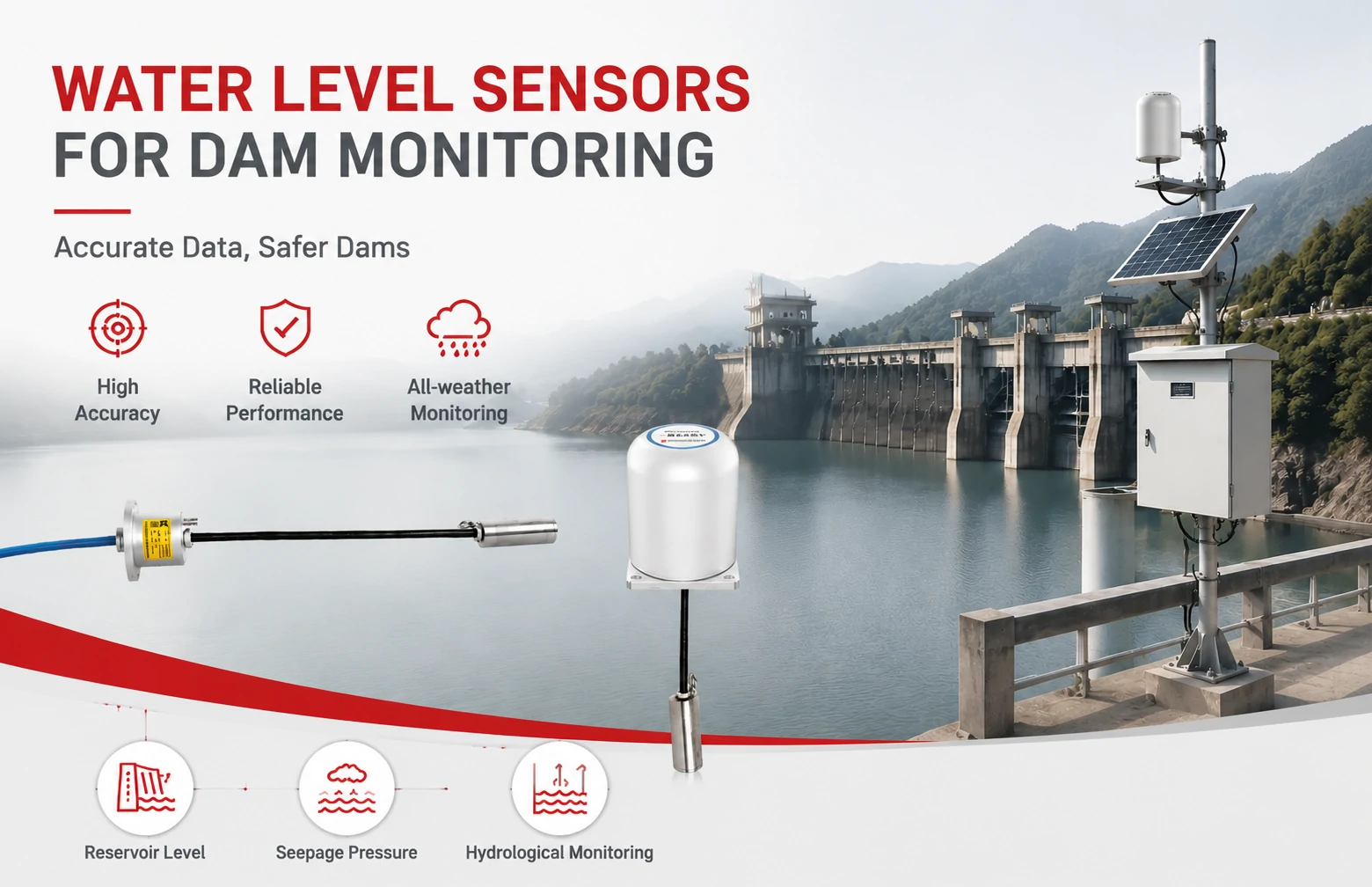
Kingmach Water Level Sensors for Dam Monitoring: A Buyer's Guide to Differential Pre...
Products
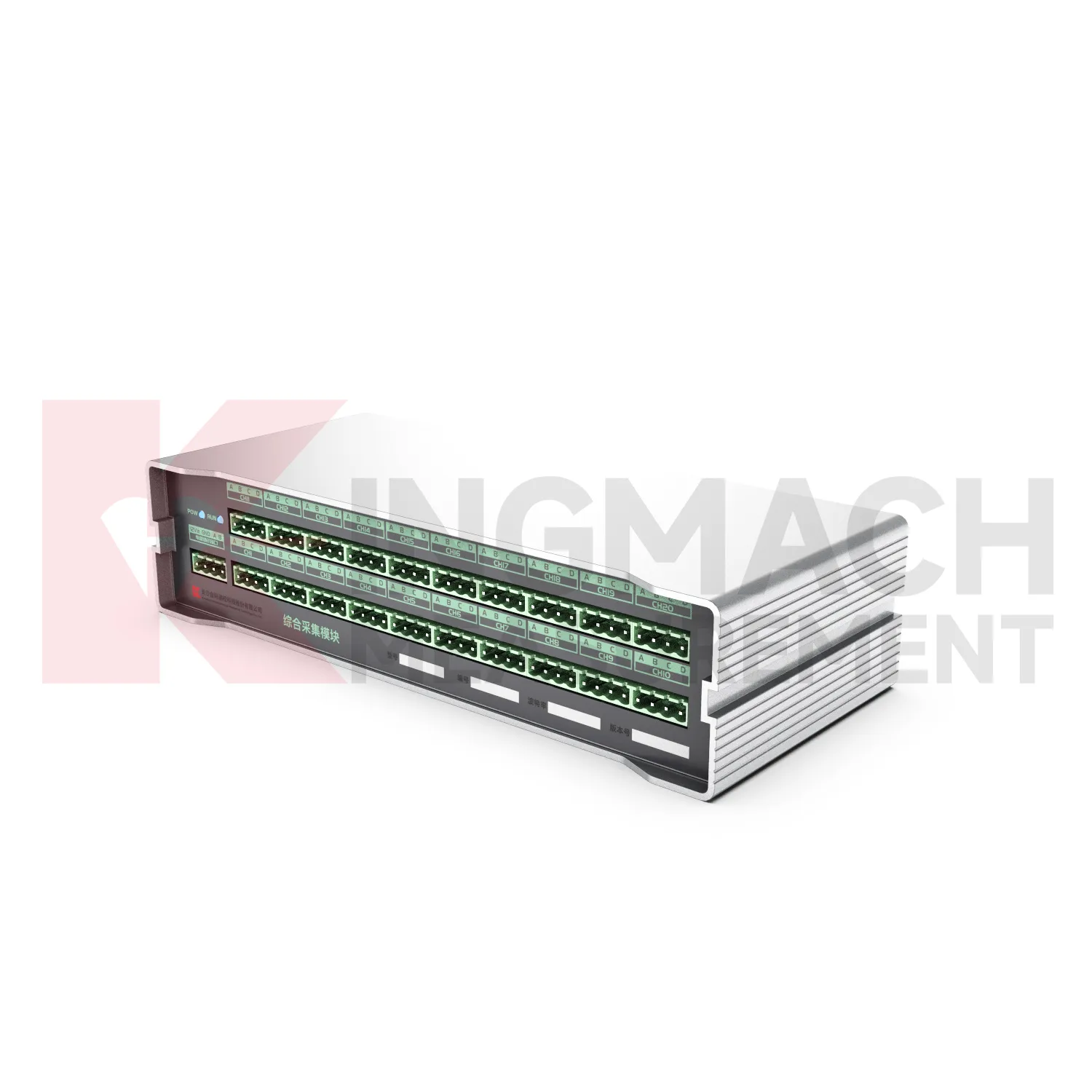
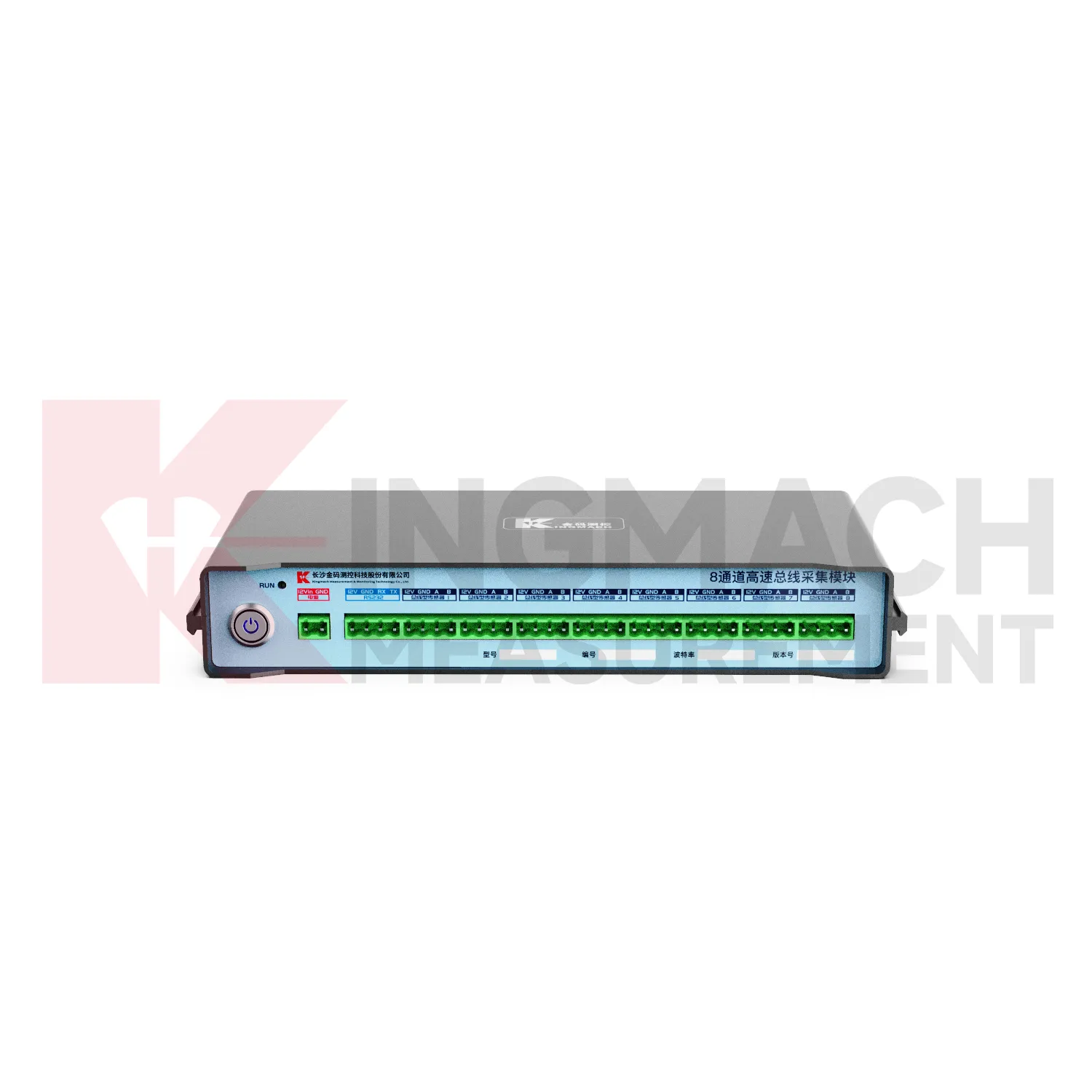
8-channel high-speed bus acquisition module JMJK-8DH
View Details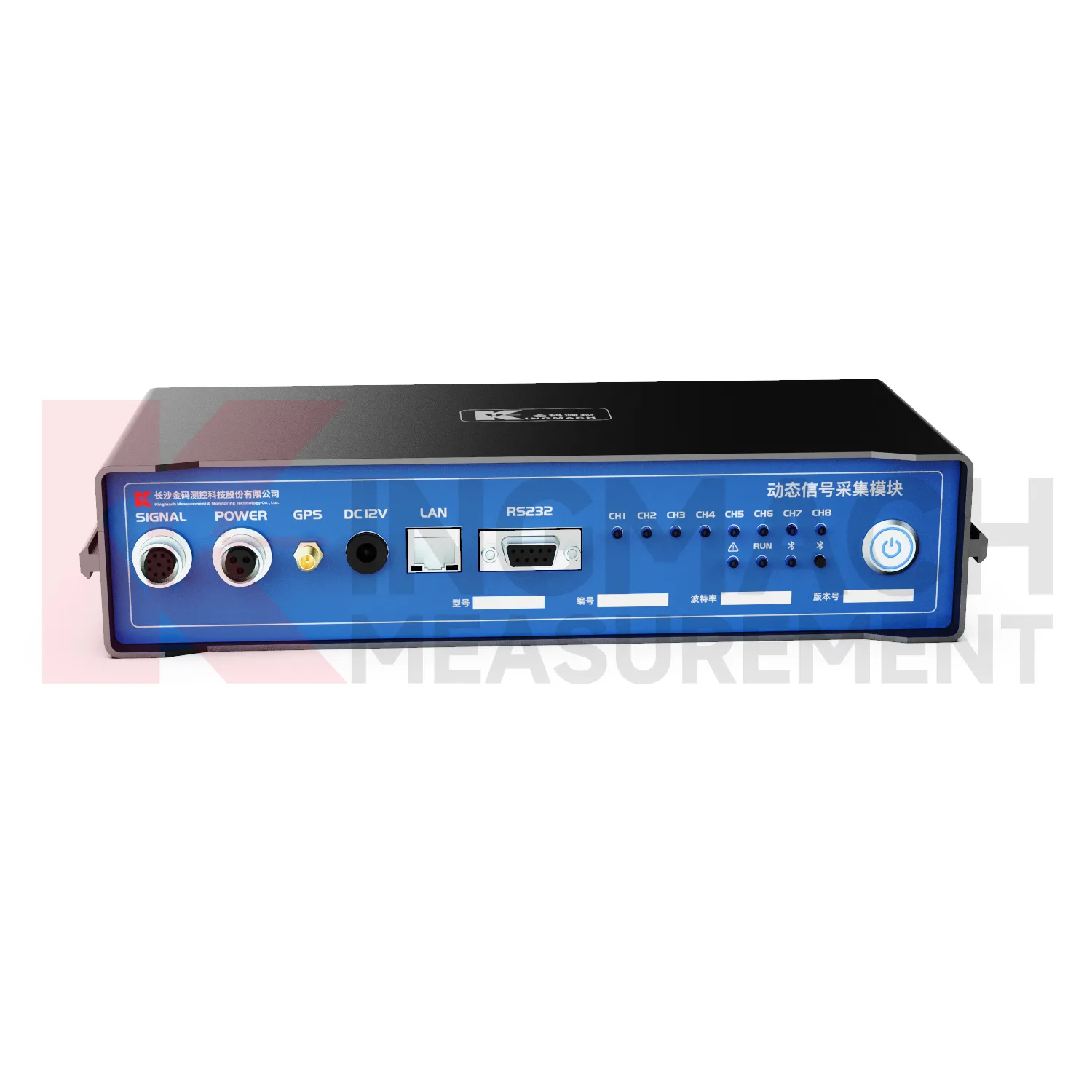
Dynamic signal acquisition module JMYD-1008XC
View DetailsFAQ
It's not a fixed range—it depends on the accelerometers and sampling settings you choose. For a concrete dam, we typically see interest below 50 Hz, often down to 0.1 Hz. The hardware can support that, and the software has low-frequency analysis tools built in.
That depends on the bridge geometry and how many mode shapes you want to capture. For a basic single-span bridge, 8 to 12 channels is a common starting point. We can help you work out the sensor layout based on your target modes, and the system is expandable if you need more later.
Yes, if you order the weatherproof enclosure option. It includes a sealed box, desiccant, and cable glands. For longer deployments, we often add a small solar panel and battery. Just let us know your site conditions and we'll configure it.
We frequently integrate additional inputs. The standard system works with IEPE accelerometers, but we can add channels for strain gauges, LVDTs, or voltage signals. It might require a different front-end module, which we can discuss during the order process.
We typically do a remote setup session before you go to the field, and then we're available by call or email during your first test campaign. The software has a guided workflow, but having someone walk you through the first hammer tap or shaker setup can speed things up.
Share your product type, target capacity, and application requirements. Our team can review the details and recommend a practical next step.
Related Keywords
If you are interested in our products or want to become our partner.
Please leave your contact information, our team will contact you as soon as possible.
Mail: [email protected]
Contact Us: +8613808434127
Address: No. 188 Tongzipo West Rd, Changsha, Hunan, China