
 EN
EN
 ar
ar bg
bg hr
hr cs
cs da
da nl
nl fi
fi fr
fr de
de el
el hi
hi it
it ko
ko no
no pl
pl pt
pt ro
ro ru
ru es
es sv
sv tl
tl iw
iw id
id lv
lv lt
lt sr
sr sk
sk sl
sl uk
uk vi
vi et
et hu
hu th
th tr
tr fa
fa ms
ms hy
hy ka
ka ur
ur bn
bn mn
mn ta
ta kk
kk uz
uz ku
ku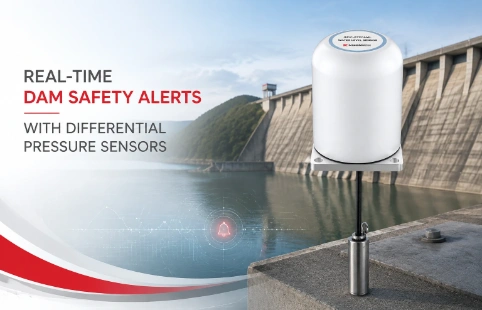
Real-Time Dam Safety Alerts with Differential Pressure Water Level Sensors
Key Takeaways An alert chain needs more than a sensor: define field in...

Simplify Monitoring with Kingmach Wireless Displacement Sensors
Most wireless monitoring gear works fine on a bench. The real test starts when you bolt it to a retaining wall and walk away for six months. Kingmach built its wireless displacement sensors for that reality—the kind where a cable snagging on scaffolding or a lightning strike can wipe out weeks of data. Instead of force-fitting a lab instrument into a construction site, we started from the field: a sensor that sends readings without a cable, holds its calibration through temperature swings, and doesn’t demand a PhD to install. The point is not the radio link—it’s getting trustworthy displacement data from where the movement actually happens to where it gets used.
Technical Detail
The wireless displacement sensor from Kingmach measures movement across a joint, crack, or structural gap and transmits the reading to a local gateway without a physical cable. Inside the weatherproof housing, a potentiometric or vibrating wire element tracks displacement with a resolution that holds up in the noise of a live job site. The wireless path uses a standard 2.4 GHz protocol; with the supplied antenna and line-of-sight placement, real-world range runs between 200 and 300 meters. For longer hauls or obstacles, mesh routing and external antennas extend coverage at the cost of a few extra minutes during setup. Ranging from small 5 mm sensors for fine crack monitoring up to 500 mm units for settlement readings, Kingmach stocks common ranges and builds custom spans when projects need them. Mounting brackets fit concrete, steel, timber, or rock bolts—whatever the surface demands. The sensor ships with a calibration sheet tied to its serial number, and the support team that answers your call is the same group that designed the circuit board. No call center scripts, no finger-pointing between hardware and telemetry suppliers. You get a sensor, a data path, and a team that knows how both behave when a thunderstorm rolls over the project site.
News
Key Takeaways An alert chain needs more than a sensor: define field in...
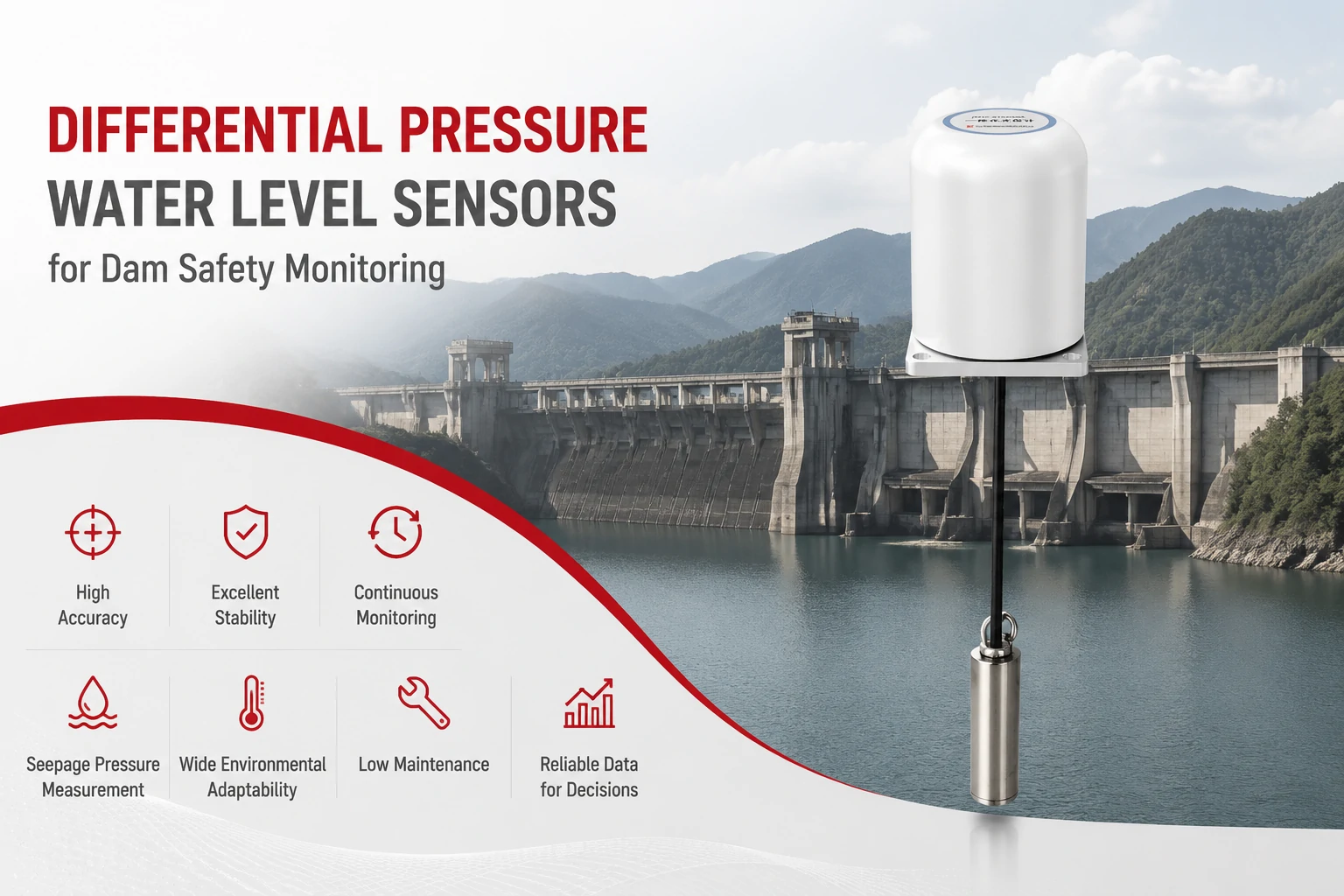
Key Takeaways The strongest fit is usually a confined, submerged, or s...
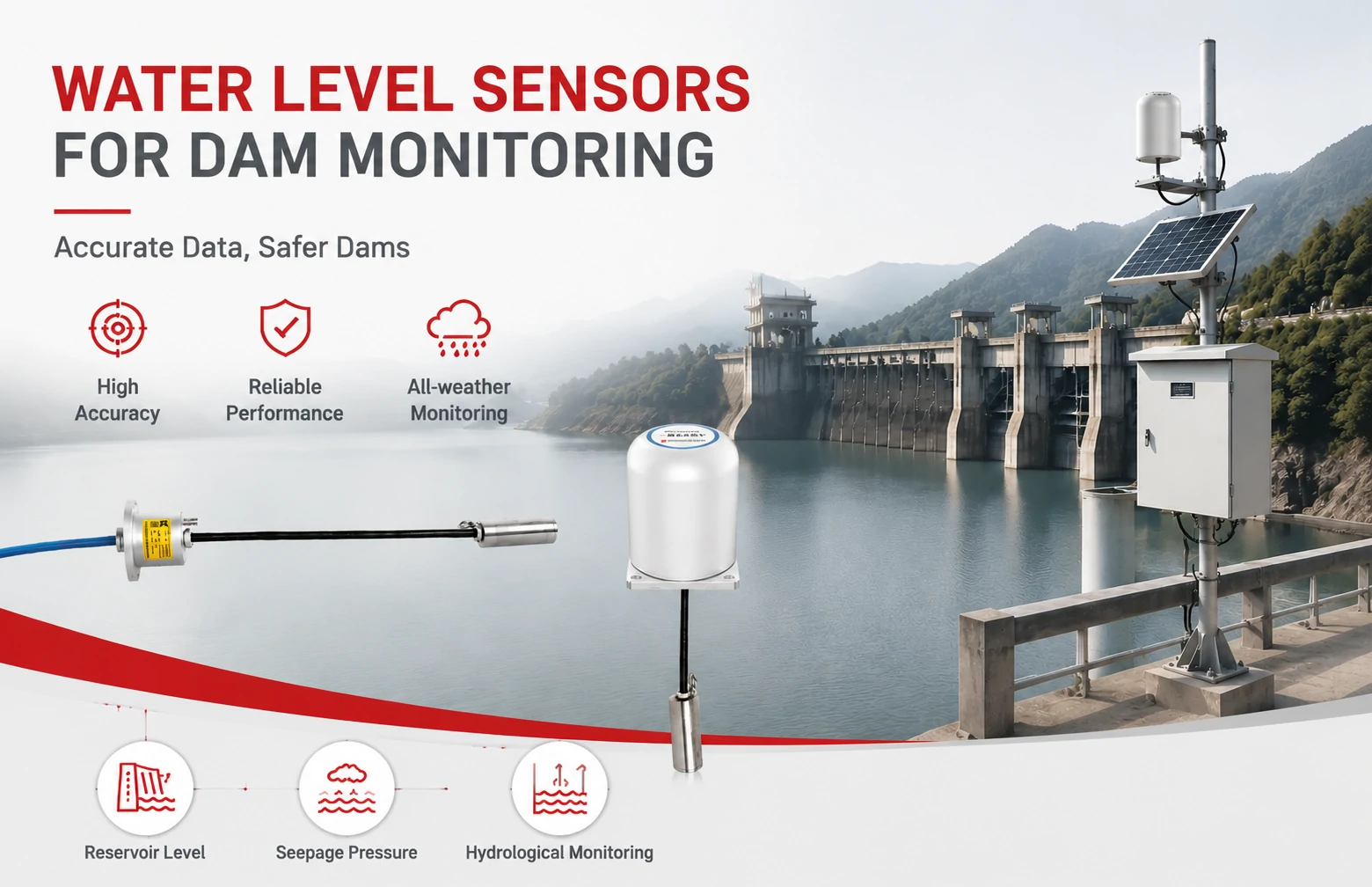
Kingmach Water Level Sensors for Dam Monitoring: A Buyer's Guide to Differential Pre...
Products
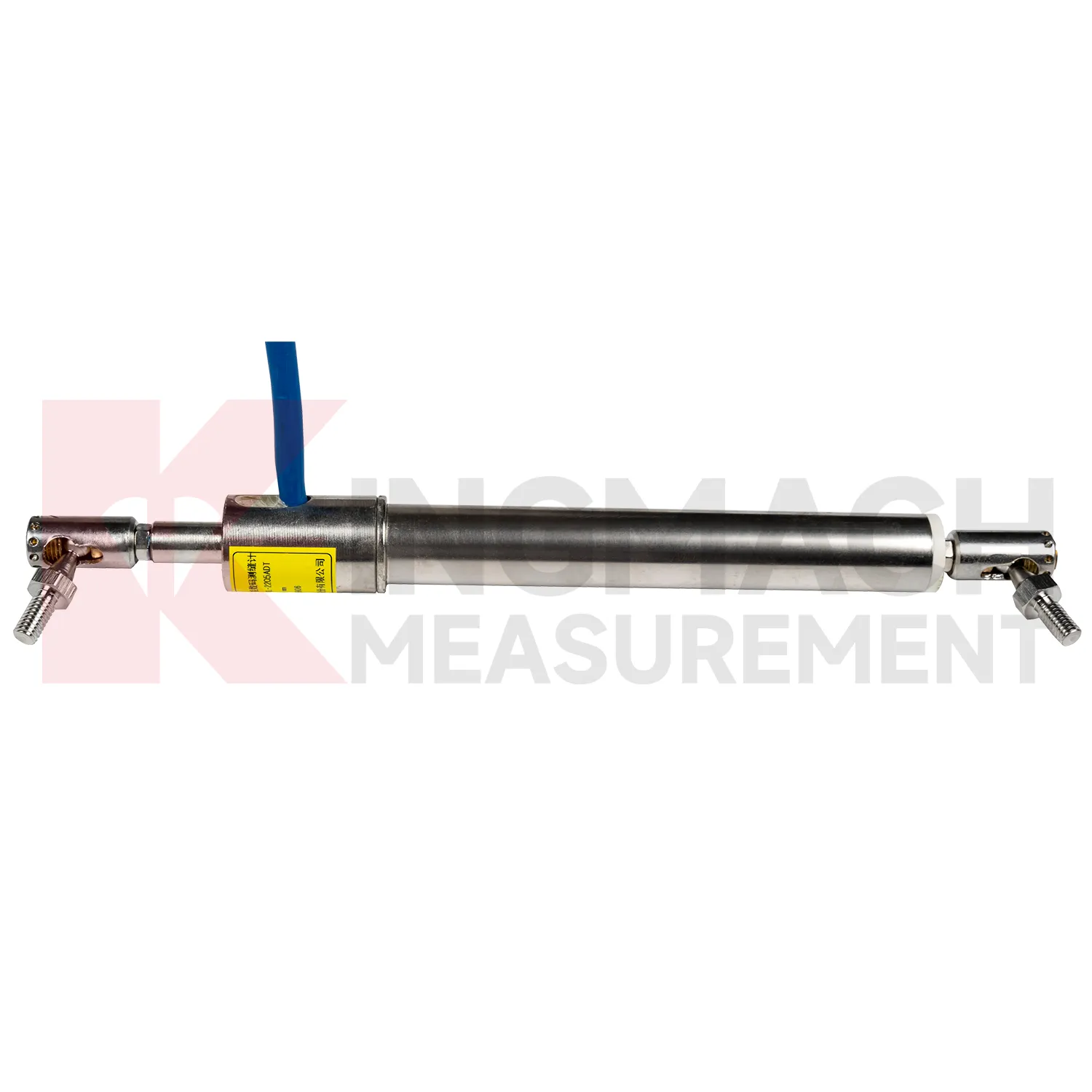
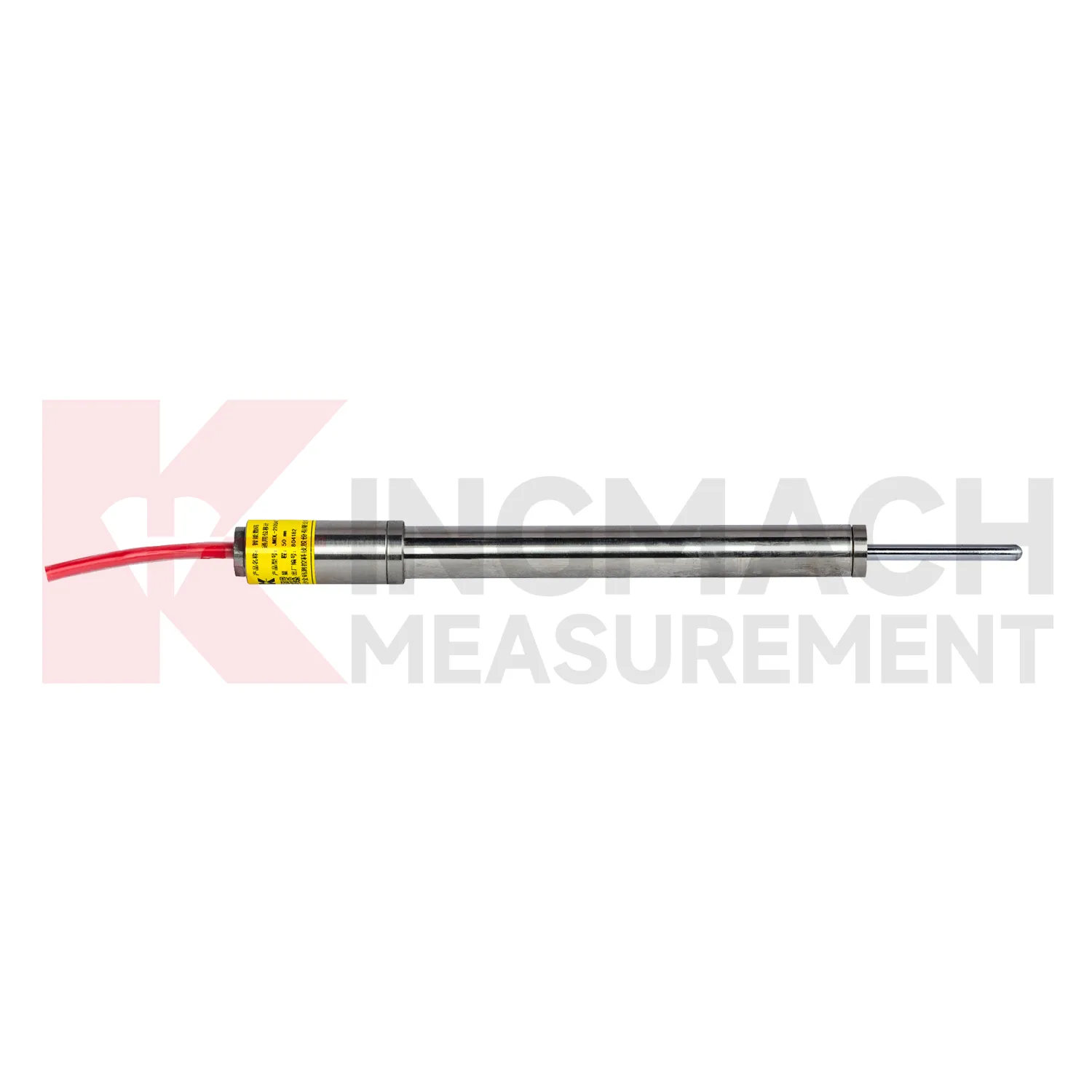
Smart General-Purpose Displacement MeterJMDL-21XXAT
View Details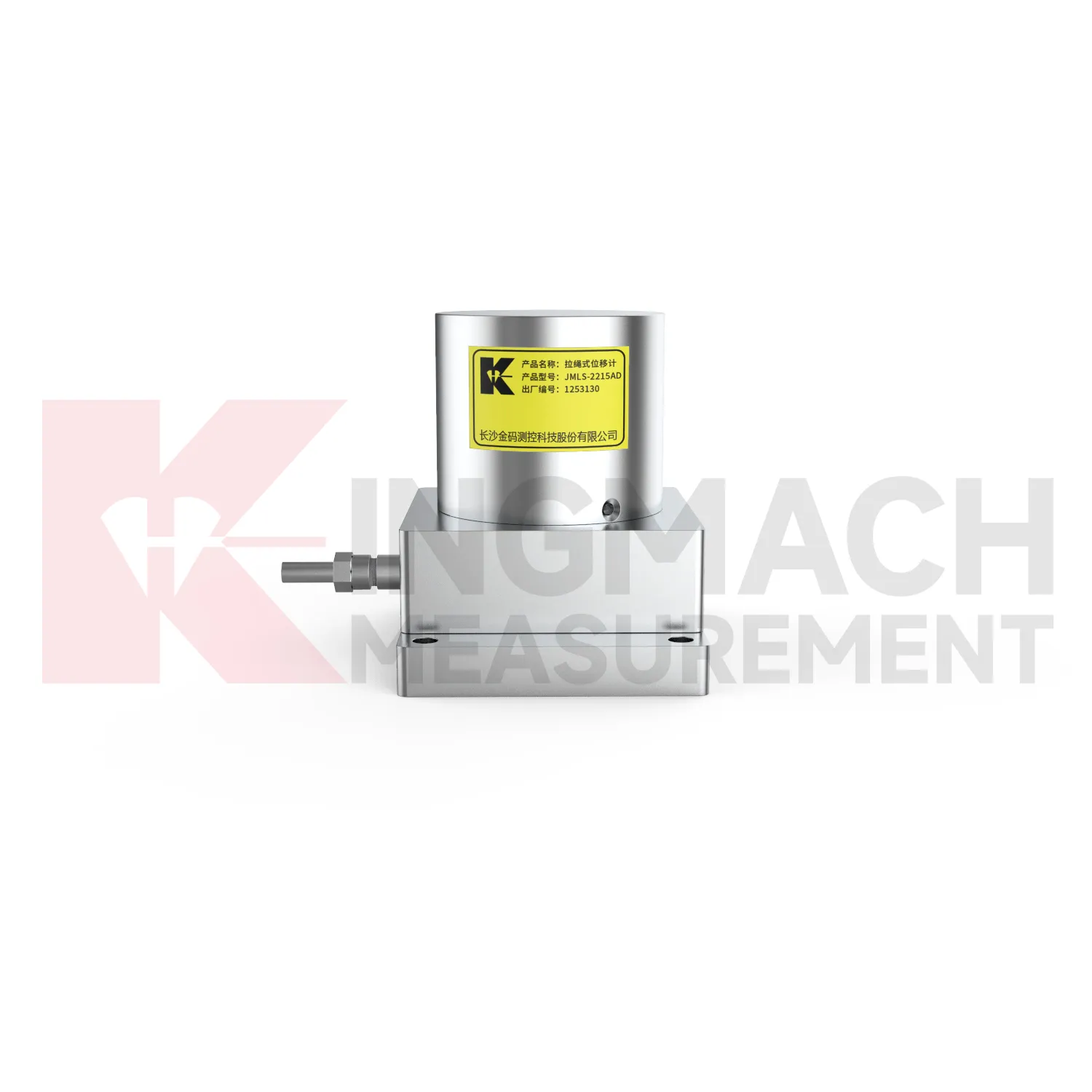
FAQ
In open air, 200 to 300 meters is typical. Walls, metal structures, and earth berms cut that down. We provide external antennas and can set up mesh routing if the distance or obstructions require it.
The sensor does not stop measuring. It logs data to internal memory and resends the backlog once the connection comes back. You won’t lose readings; they just arrive late.
It depends on the protocol. Our standard output talks to common Modbus or MQTT gateways. If your logger uses a proprietary handshake, we can often adjust the firmware—just let us know before ordering.
With a 30-minute reporting interval, a standard lithium pack runs about two years. Colder temperatures and faster reporting eat into that. We size batteries case by case, and the sensor warns you at a low-voltage threshold so you can plan a swap.
We machine brackets for flat concrete, I-beams, wooden cribbing, and rock anchors. Send us a photo or sketch of your installation point, and we’ll ship a bracket that fits without on-site drilling if that’s what the job calls for.
Share your product type, target capacity, and application requirements. Our team can review the details and recommend a practical next step.
If you are interested in our products or want to become our partner.
Please leave your contact information, our team will contact you as soon as possible.
Mail: [email protected]
Contact Us: +8613808434127
Address: No. 188 Tongzipo West Rd, Changsha, Hunan, China