
 EN
EN
 ar
ar bg
bg hr
hr cs
cs da
da nl
nl fi
fi fr
fr de
de el
el hi
hi it
it ko
ko no
no pl
pl pt
pt ro
ro ru
ru es
es sv
sv tl
tl iw
iw id
id lv
lv lt
lt sr
sr sk
sk sl
sl uk
uk vi
vi et
et hu
hu th
th tr
tr fa
fa ms
ms hy
hy ka
ka ur
ur bn
bn mn
mn ta
ta kk
kk uz
uz ku
ku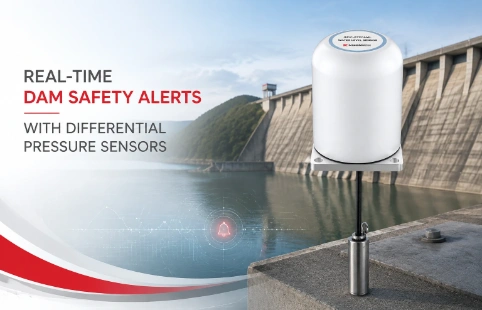
Real-Time Dam Safety Alerts with Differential Pressure Water Level Sensors
Key Takeaways An alert chain needs more than a sensor: define field in...

Water Pressure Data Loggers: Sensor Compatibility and Field Data Access
Water pressure monitoring often hinges on whether the data logger can interface with the sensors you already own or the ones your site demands. At Kingmach, we build loggers that accept common industry outputs—4-20 mA, 0-5 V, and SDI-12—so you are not locked into a single sensor brand. The focus is on getting reliable data out of boreholes, tanks, or pipelines without adding extra signal conditioners. Most of our field loggers store over a million time-stamped readings and run for years on a single internal battery. When remote access matters, telemetry options like cellular or radio modules push data to a web dashboard or an FTP server, cutting down on site visits. Engineering teams often ask us to fine-tune logging intervals or support custom sensor calibrations, and we handle those requests directly. Whether you are managing a groundwater monitoring network or commissioning a new water treatment plant, the logger should fit the measurement task instead of forcing you to adapt the task to the logger.
Technical Detail
Kingmach water pressure data loggers are built around the idea that field instruments need to talk to a wide variety of pressure transducers without fuss. The standard models accept 4-20 mA current loops, 0-5 V voltage outputs, and digital SDI-12 sensors, covering most vented and absolute pressure probes found in environmental and industrial monitoring. Onboard non-volatile memory typically holds more than a million data points, which means a logger sampling every 15 minutes can run unattended for over a decade before memory fills up. Battery life is equally practical: alkaline or lithium packs usually last 3-5 years under typical logging schedules, with replaceable cells that can be swapped in the field without desoldering. For remote sites, optional cellular, radio, or satellite telemetry modules clip onto the logger body and send data on a schedule you define. The data ends up on a cloud dashboard or can be forwarded to an existing SCADA system via Modbus or FTP. Users can also pull data locally through a USB-C or wireless Bluetooth interface, which is handy when a site visit is already planned. Housed in IP68-rated stainless steel or rugged polycarbonate enclosures, the loggers handle full submersion in boreholes, reservoirs, and wastewater channels. Calibration coefficients for attached sensors are stored inside the logger, so swapping a transducer does not require reprogramming the entire deployment. Kingmach provides factory calibration reports and can adjust measurement ranges to match project specifications. While we position ourselves in the mid-range market, the technical support includes direct access to application engineers who help with sensor wiring diagrams, telemetry setup, and data troubleshooting—because a data logger that records numbers is only useful if you can trust those numbers and get them when you need them.
News
Key Takeaways An alert chain needs more than a sensor: define field in...
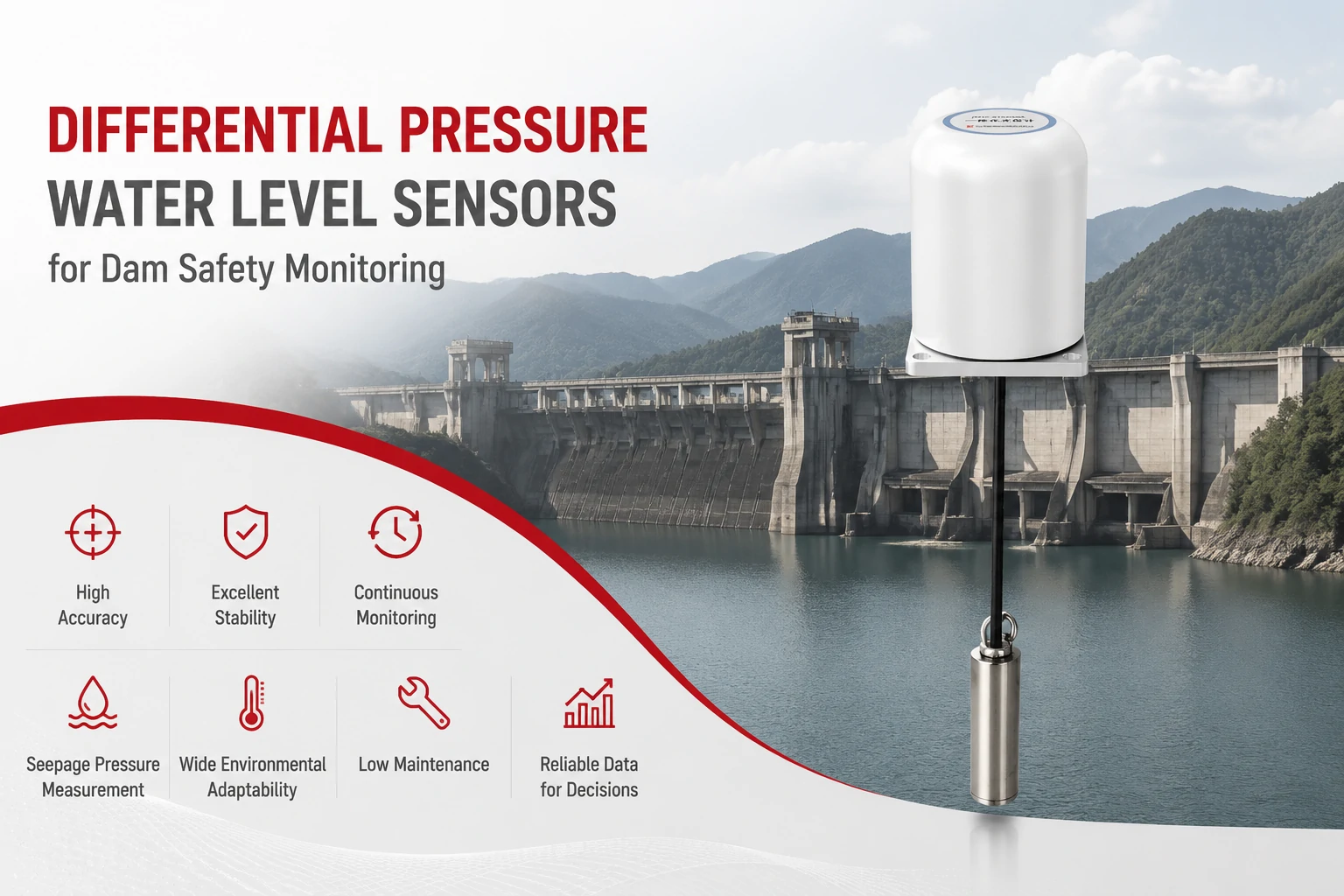
Key Takeaways The strongest fit is usually a confined, submerged, or s...
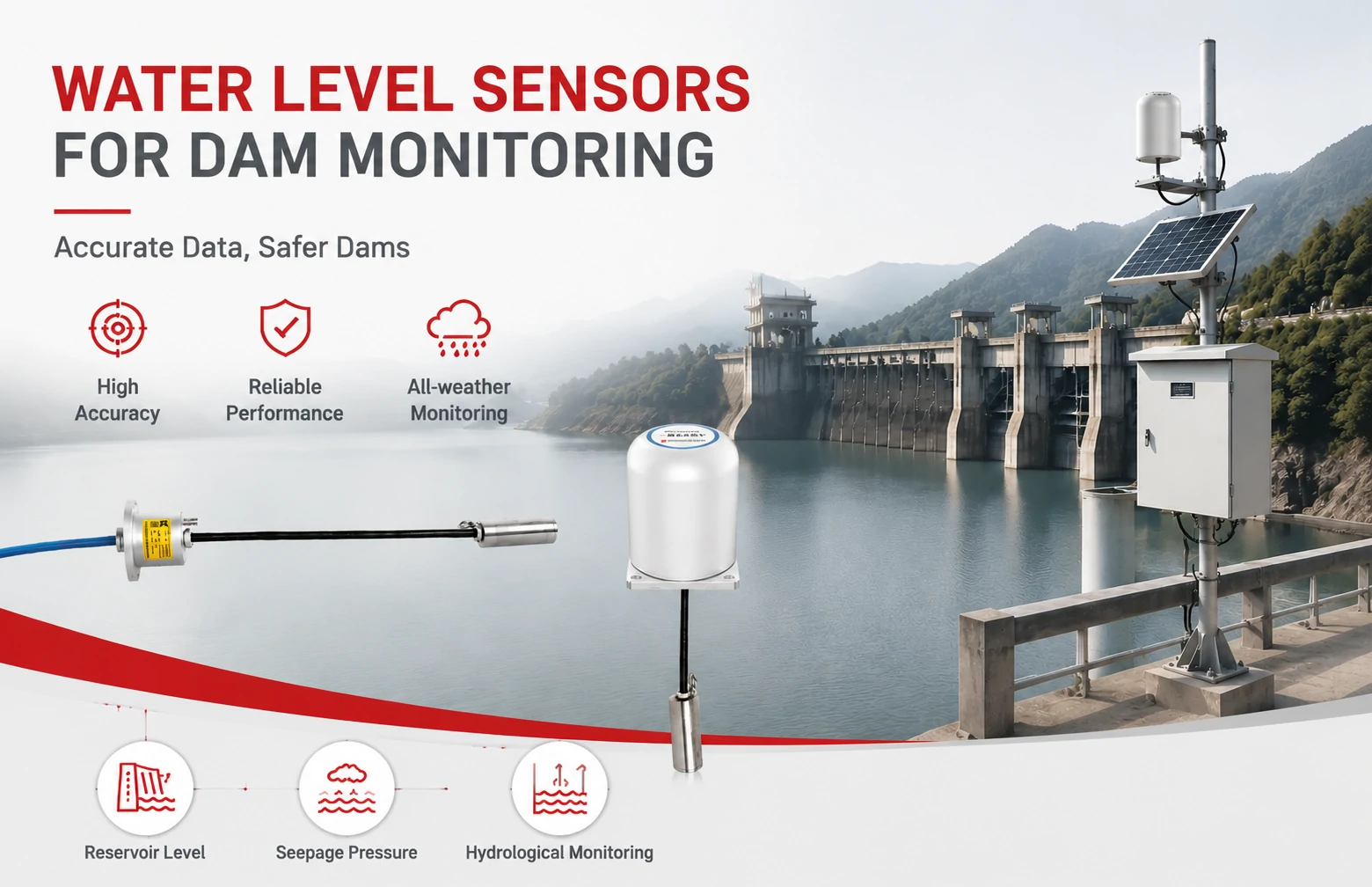
Kingmach Water Level Sensors for Dam Monitoring: A Buyer's Guide to Differential Pre...
Products
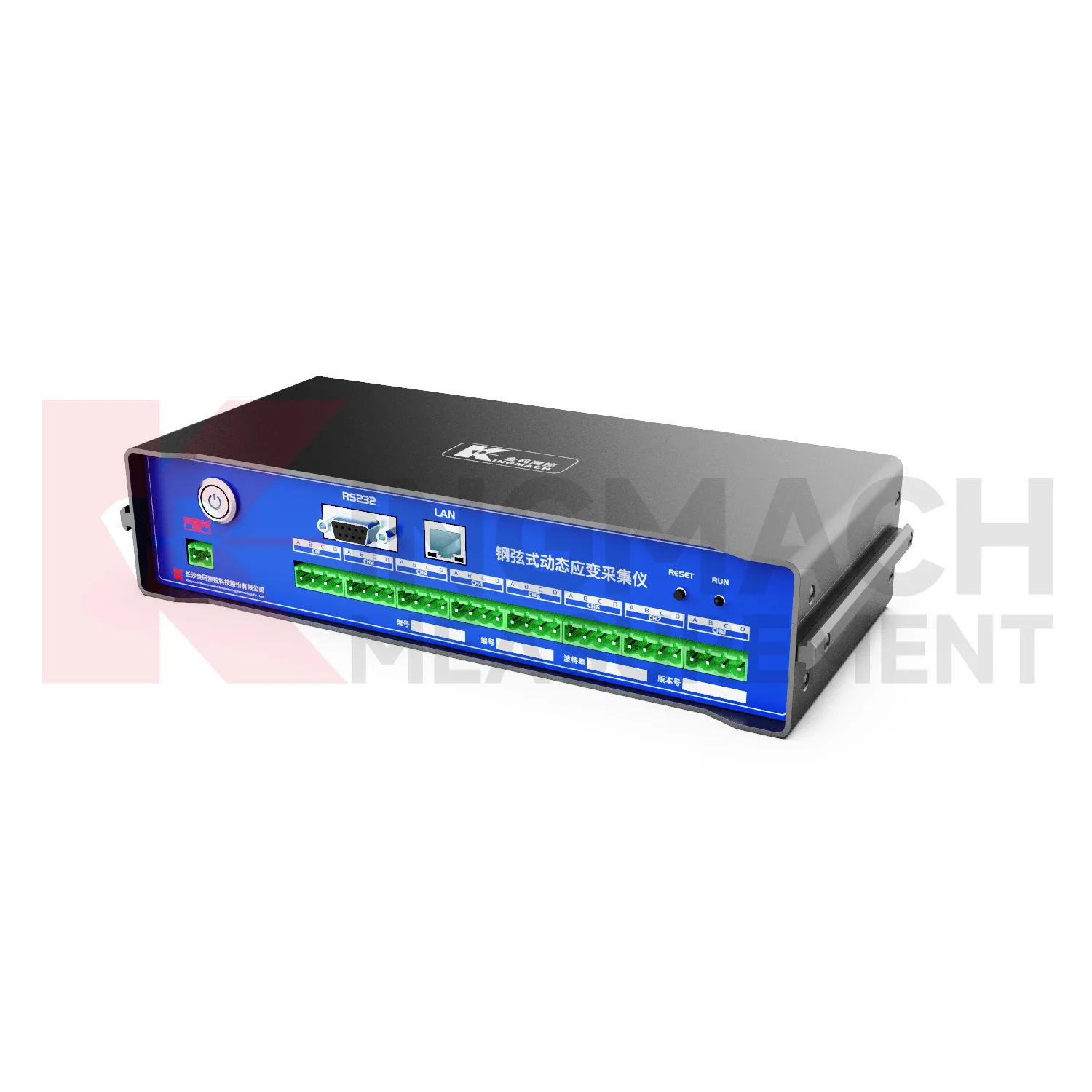
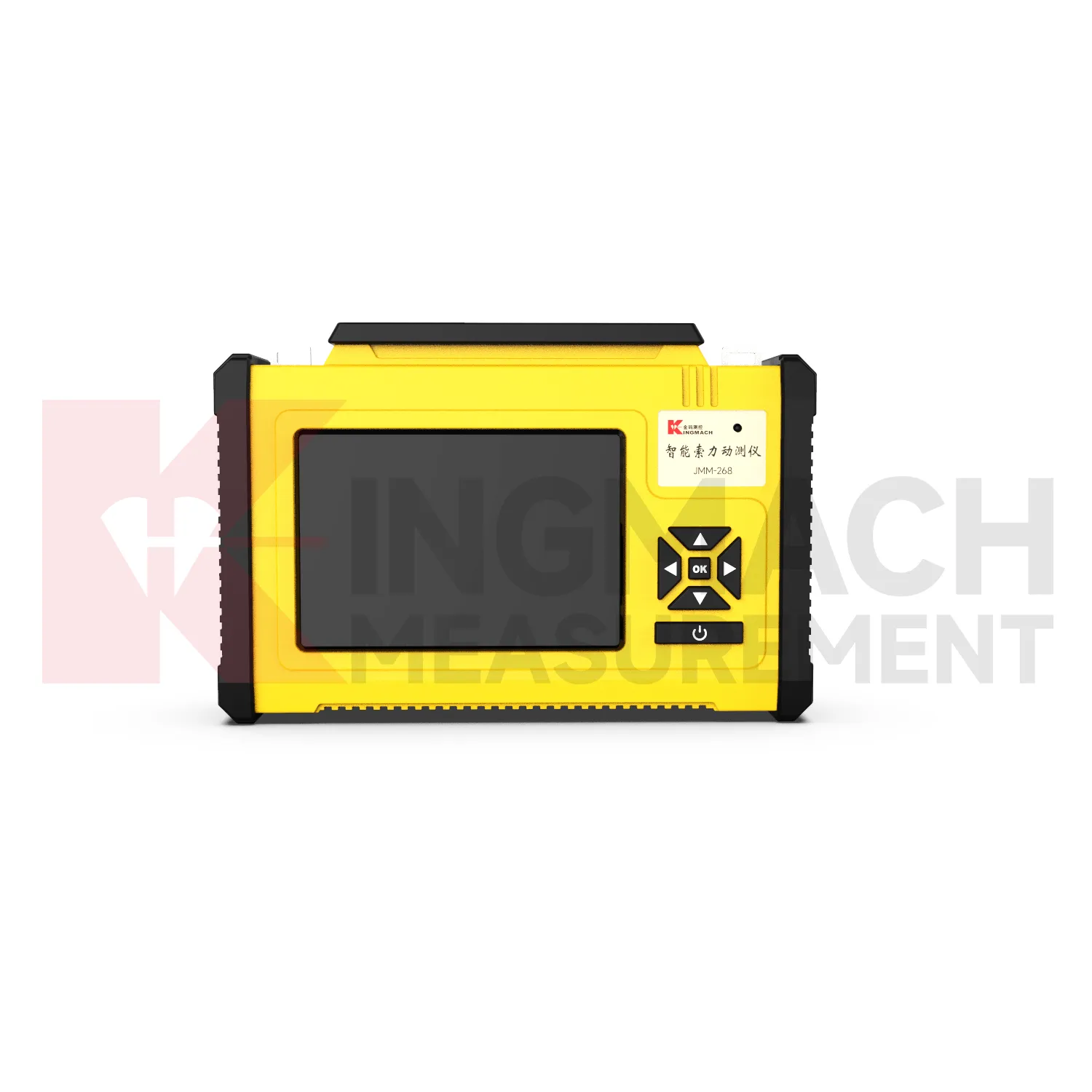
Cable force measuring instrument JMM-268L-1、2
View Details
FAQ
They work with 4-20 mA current loops, 0-5 V analog signals, and SDI-12 digital sensors. This covers most vented and absolute pressure probes used in groundwater, surface water, and tank monitoring. If you have a sensor with a non-standard output, we can discuss a custom input module.
In a typical configuration logging every 15 minutes, a lithium battery pack runs for 3 to 5 years. The exact life depends on sensor warm-up time, measurement frequency, and temperature. The battery is user-replaceable and uses a simple connector, so you can swap it on site without sending the logger back.
Yes, you can add a clip-on telemetry module that uses cellular, radio, or satellite communication. Data is uploaded to a web dashboard or pushed to your own server via FTP. Many users set up alarms for threshold breaches, so they only visit when the logger tells them something changed.
The standard enclosure is rated IP68 and can be fully submerged for years. Stainless steel housings are available for corrosive water, and we also offer titanium options for saltwater or harsh chemical environments. Cable glands are designed to stay watertight even with frequent temperature swings.
We frequently adjust measurement ranges, logging intervals, and sensor excitation voltages for specific project needs. We can also store custom calibration coefficients if you use your own pressure transducers, and we provide wiring diagrams and technical support for integration into existing SCADA or telemetry systems.
Share your product type, target capacity, and application requirements. Our team can review the details and recommend a practical next step.
If you are interested in our products or want to become our partner.
Please leave your contact information, our team will contact you as soon as possible.
Mail: [email protected]
Contact Us: +8613808434127
Address: No. 188 Tongzipo West Rd, Changsha, Hunan, China