
 EN
EN
 ar
ar bg
bg hr
hr cs
cs da
da nl
nl fi
fi fr
fr de
de el
el hi
hi it
it ko
ko no
no pl
pl pt
pt ro
ro ru
ru es
es sv
sv tl
tl iw
iw id
id lv
lv lt
lt sr
sr sk
sk sl
sl uk
uk vi
vi et
et hu
hu th
th tr
tr fa
fa ms
ms hy
hy ka
ka ur
ur bn
bn mn
mn ta
ta kk
kk uz
uz ku
ku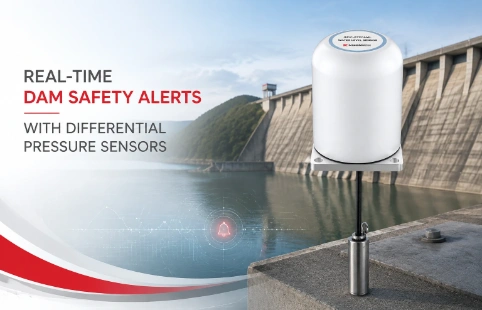
Real-Time Dam Safety Alerts with Differential Pressure Water Level Sensors
Key Takeaways An alert chain needs more than a sensor: define field in...

Load Cell Force Transducers Built for Field Reliability
When a retaining wall needs monitoring through wet seasons and dry, the force transducer you choose determines whether the data trend means something or just becomes noise. Kingmach has been building load cells for geotechnical and structural work long enough to understand that repeatability under real site conditions isn’t an extra—it’s where the value sits. A load cell force transducer from their range typically ends up in anchor load checks, strut force monitoring, or pile testing, not just on a lab bench. Engineers often ask about drift and waterproofing before they ask about resolution, and that order of priorities reflects how these sensors earn trust over time. With a lineup that covers both compression and tension applications, and the ability to adapt mechanical interfaces to existing jack or bearing setups, Kingmach supplies a practical take on force measurement. Global projects and local support mean the transducer you spec can be followed through calibration and troubleshooting after delivery. That’s the difference between a component and a monitoring partner.
Technical Detail
Force measurement in the field is less about peak accuracy on a spec sheet and more about stability when the terrain shifts and temperatures cycle. A load cell force transducer from Kingmach starts from the premise that most civil and geotechnical applications demand 0.1% or better nonlinearity, but the real differentiator is how it holds that performance with moisture, cable stress, or uneven loading. Their bonded foil strain gauge transducers are built into sealed bodies—often stainless steel or alloy—with ingress protection ratings that match trench and borehole conditions. Typical configurations include annular load cells for anchor systems, canister types for compression force in struts, and low-profile units where headroom is tight. Customization is a core part of their offering: capacity, dimensions, electrical interface (mV/V, 4-20 mA, RS485), and even cable armor can be adjusted to project specs without pushing into high-cost bespoke territory. For a mid-tier manufacturer, Kingmach maintains a balance between accessible pricing and the traceability needed for ISO-conforming documentation. Their support network spans distributors in several continents, which matters when a sensor goes down during a critical excavation phase. In practice, a force transducer from them might show up in slope stabilization monitoring, tunnel lining stress analysis, or foundation testing—anywhere that a few microstrain of error can sway a safety decision.
News
Key Takeaways An alert chain needs more than a sensor: define field in...
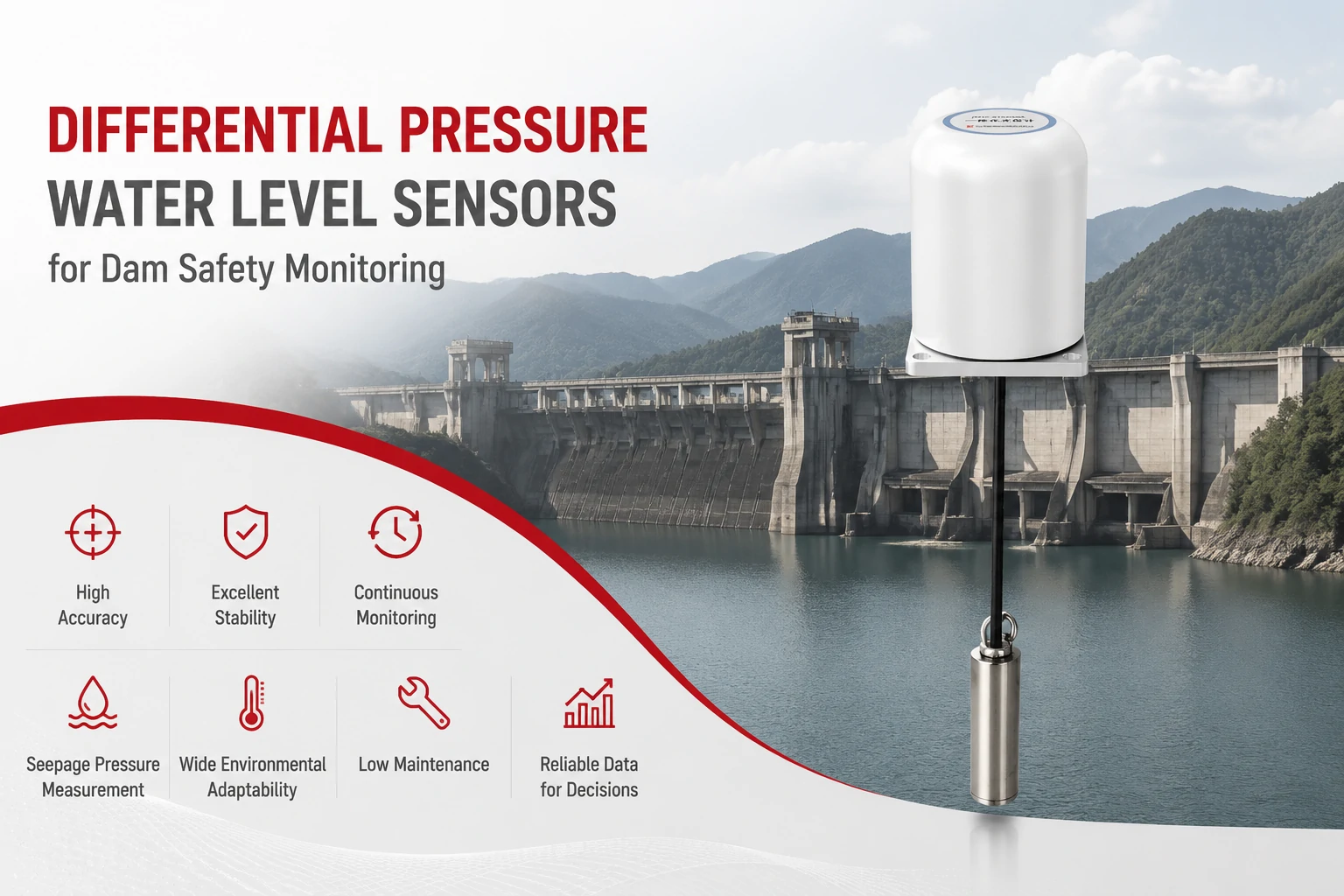
Key Takeaways The strongest fit is usually a confined, submerged, or s...
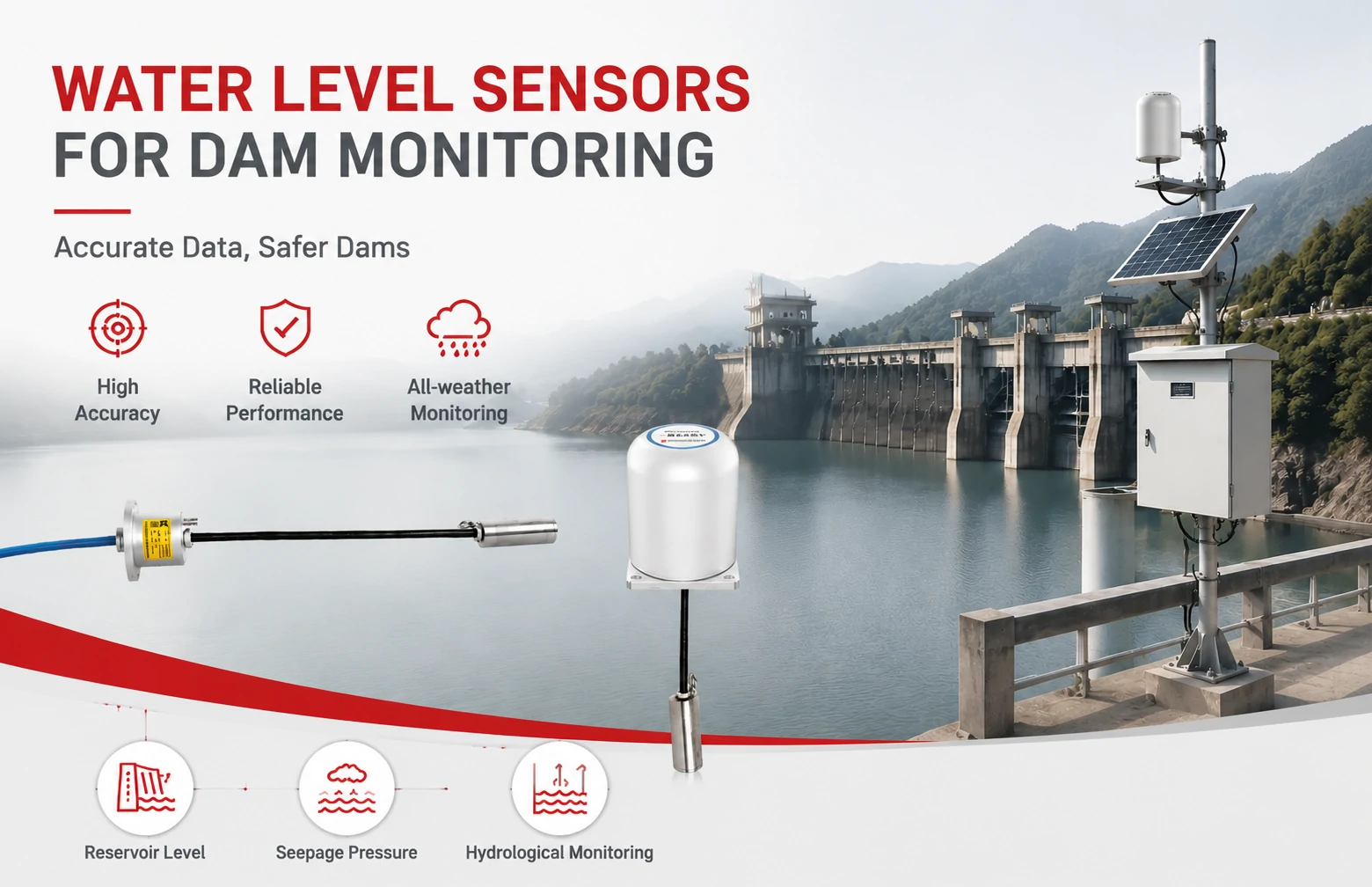
Kingmach Water Level Sensors for Dam Monitoring: A Buyer's Guide to Differential Pre...
Products
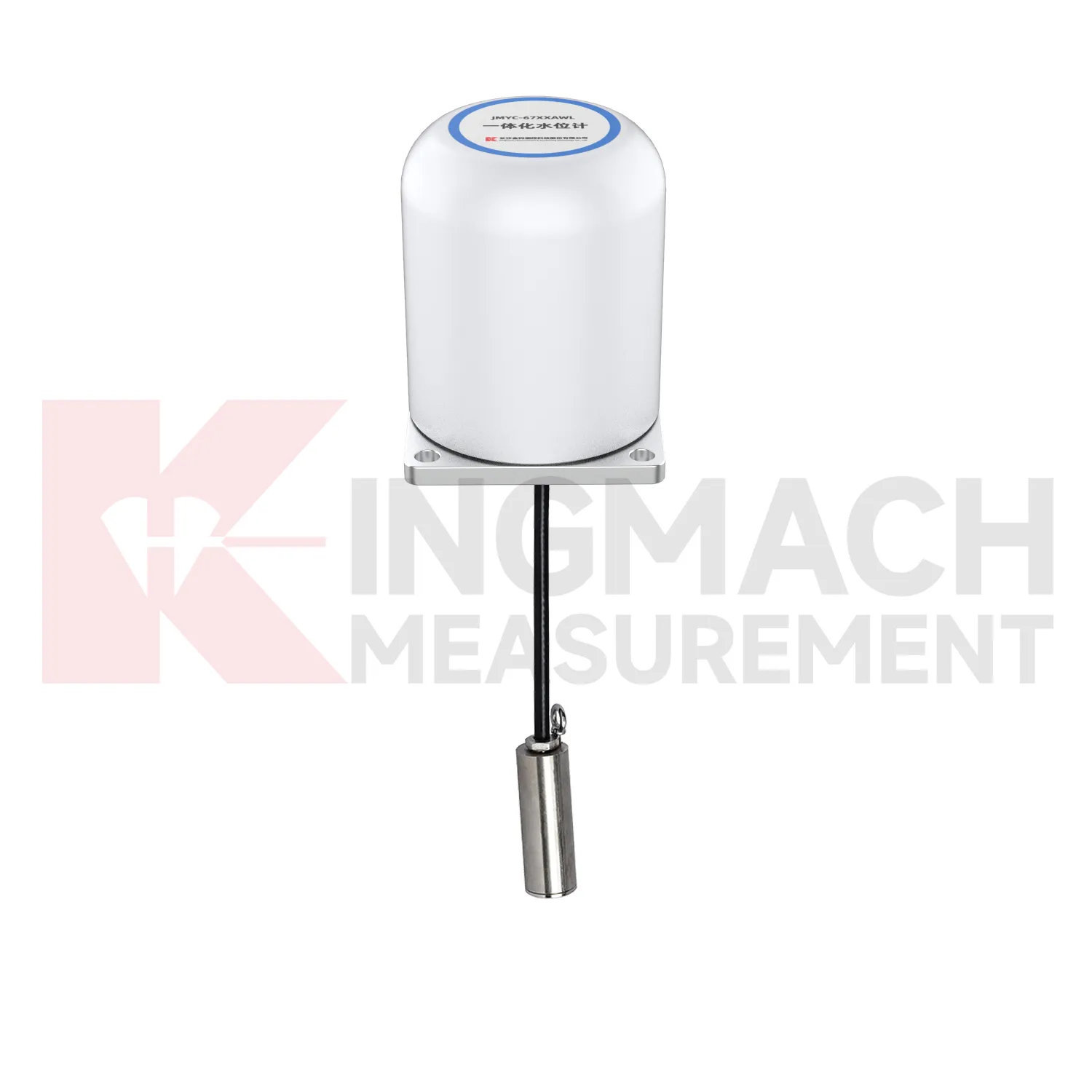
Integrated Wide-Range Differential Pressure Water Level Meter JMYC-67XXAWL
View Details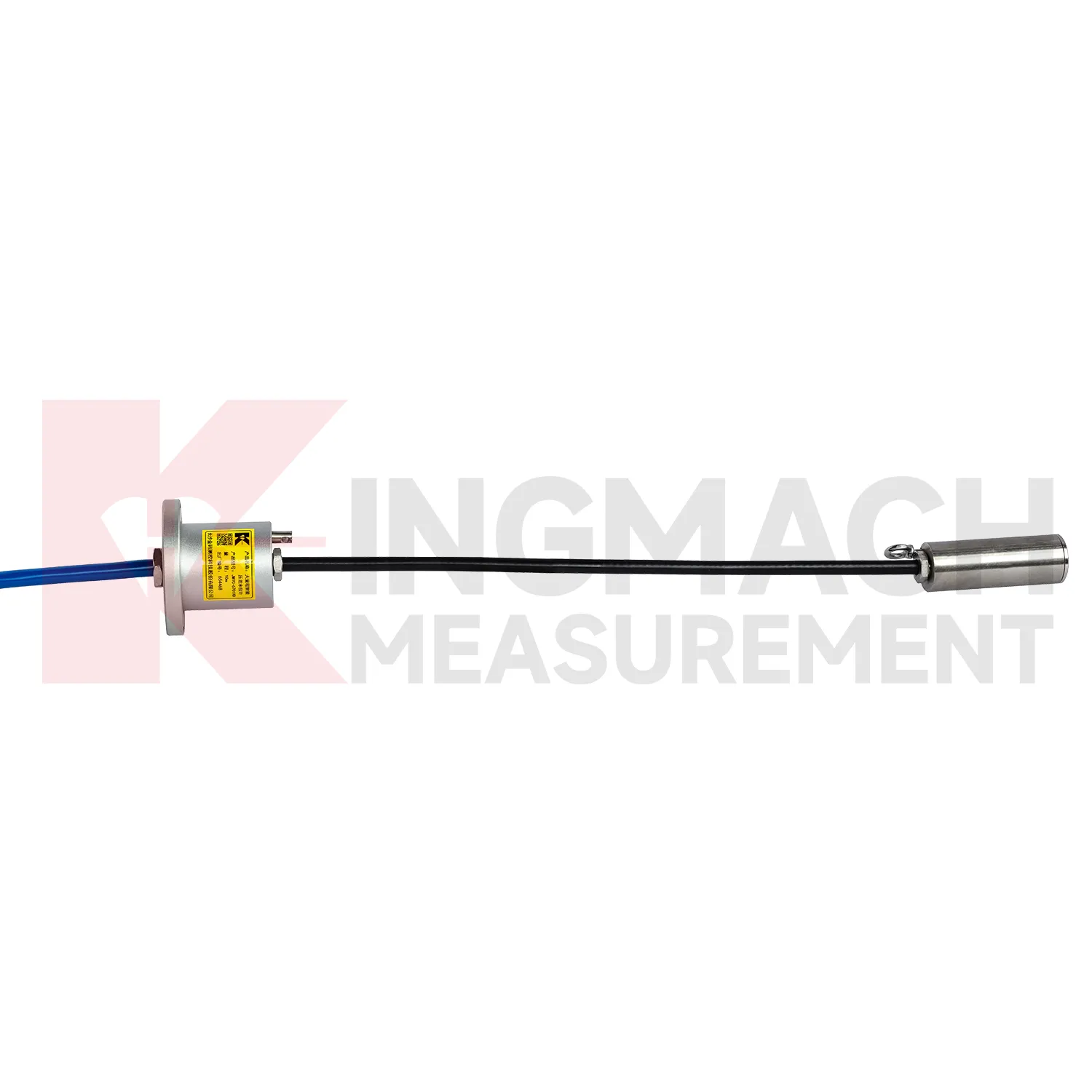
Wide-Range Smart Differential Pressure Water Level Meter JMYC-67XXAD
View Details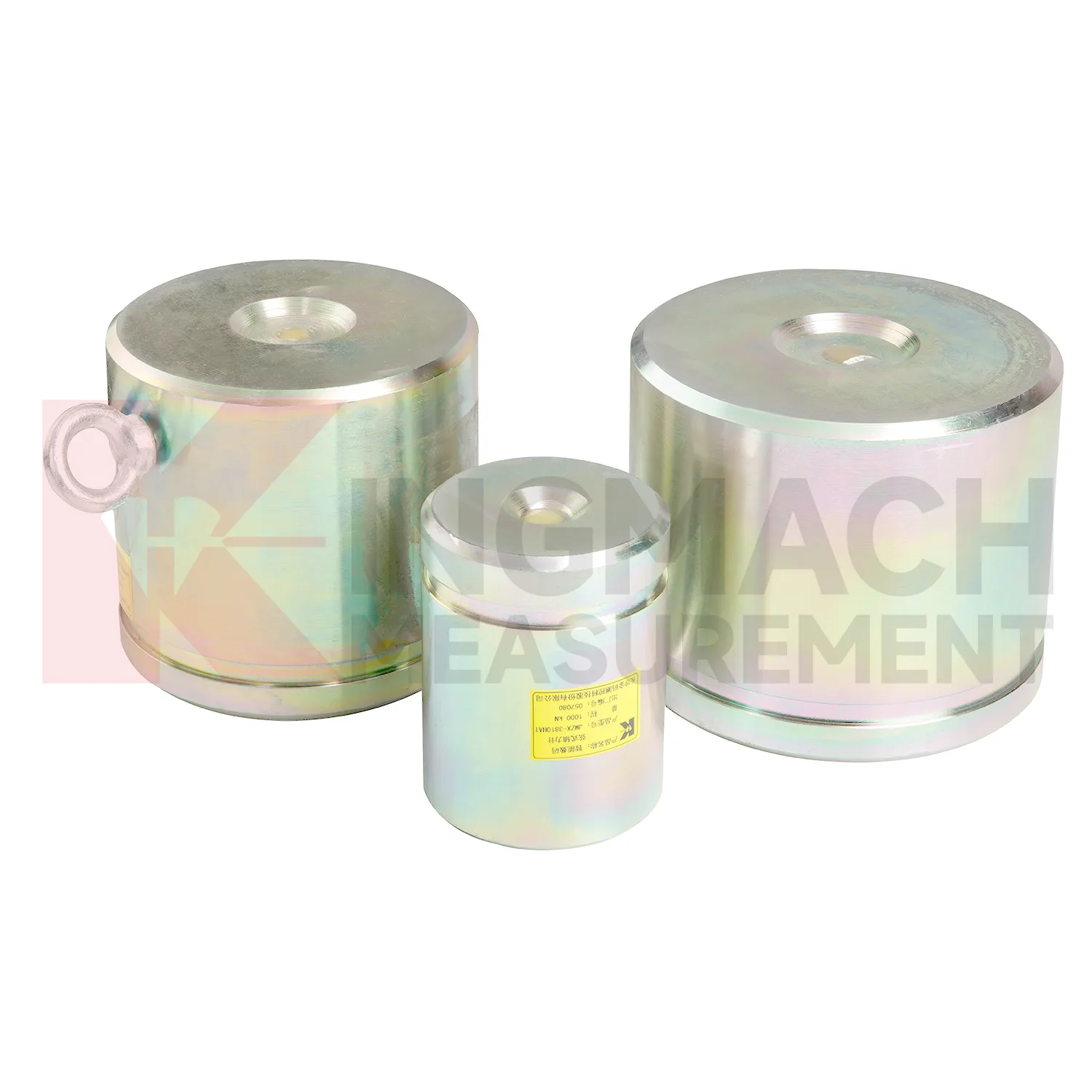
Axial Force Load Meter ( VW & Smart Type)JMZX-38XXHAT
View DetailsFAQ
A compression load cell measures pushing forces and often sits under a bearing plate or jack. A tension type handles pulling forces, commonly inline with anchors or tiebacks. Kingmach supplies both, and many of their annular transducers can measure tension as well as compression when mounted between anchor head and stressing chair.
Yes. Kingmach regularly adapts inner diameter, outer shape, and height to fit specific jack clearances or anchor configurations. They can also match the electrical connection type—weatherproof connectors, armored cable length, or loop-powered outputs—to site requirements without long lead times.
A practical rule is once a year for long-term installations, or after any overload event. Transducers with minimal drift and robust sealing, like those Kingmach ships, can stretch calibration intervals slightly if you track zero-shift trends. The calibration service is available through their support network, often with turn-around within a few weeks.
4-20 mA current loops are common because they handle long cable runs without signal loss and power directly from the logger. RS485 digital output gives easier multi-sensor networks. Kingmach offers both, plus standard mV/V for systems that already have signal conditioning. The choice often comes down to what your datalogger accepts.
Start with the maximum expected working load, then add a safety factor—typically 20-30% for static loads, higher for dynamic loads like pile driving. Your load cell should not be routinely stressed near its full scale, as that can accelerate drift. Kingmach engineers can help size the transducer based on your structural design values and installation constraints.
Share your product type, target capacity, and application requirements. Our team can review the details and recommend a practical next step.
If you are interested in our products or want to become our partner.
Please leave your contact information, our team will contact you as soon as possible.
Mail: [email protected]
Contact Us: +8613808434127
Address: No. 188 Tongzipo West Rd, Changsha, Hunan, China