
 EN
EN
 ar
ar bg
bg hr
hr cs
cs da
da nl
nl fi
fi fr
fr de
de el
el hi
hi it
it ko
ko no
no pl
pl pt
pt ro
ro ru
ru es
es sv
sv tl
tl iw
iw id
id lv
lv lt
lt sr
sr sk
sk sl
sl uk
uk vi
vi et
et hu
hu th
th tr
tr fa
fa ms
ms hy
hy ka
ka ur
ur bn
bn mn
mn ta
ta kk
kk uz
uz ku
ku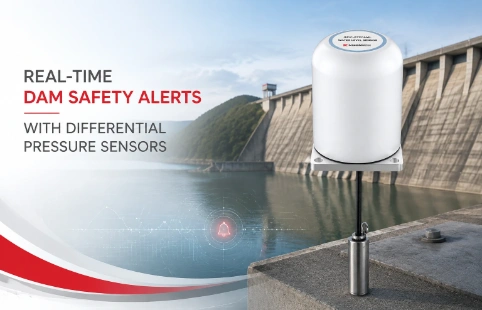
Real-Time Dam Safety Alerts with Differential Pressure Water Level Sensors
Key Takeaways An alert chain needs more than a sensor: define field in...

Load Cell Excitation Voltage: Why It Matters for Your Measurements
Excitation voltage might seem like a minor detail, but it directly shapes a load cell’s signal strength and noise immunity. In most industrial and geotechnical setups, you will see 5 V, 10 V, or 12 V DC, though some designs accept up to 20 V or more. Picking the right level is not just about meeting the datasheet—it balances self-heating, cable length, and dynamic range. Kingmach regularly fields questions from field engineers who notice drift or nonlinearity traced back to a mismatched power supply. By understanding the relationship between excitation and output, you can avoid these pitfalls before they appear in your data. This page spells out the voltage basics, typical ranges, and what to check when integrating a sensor into your monitoring system.
Technical Detail
When you look at a load cell datasheet, excitation voltage is listed as a recommended range, sometimes with a maximum value. Exceeding that maximum can permanently damage the strain gauge bridge. But even staying inside the recommended band requires care. A 10 V excitation on a 350 Ω bridge yields about 28 mA of current, which causes self-heating. For high-precision geotechnical instruments, that temperature rise can introduce errors that take minutes to stabilize. Kingmach offers sensors with various bridge resistances and compensation methods to minimize such effects. Many of our load cells for tunnel monitoring and foundation testing accept 5–15 V DC, giving you flexibility when connecting to data loggers or PLCs that may only supply a fixed 10 V or 12 V rail. We also stock models with built-in signal conditioning that regulate the excitation internally, so the external supply can vary within a wide range while the bridge sees a stable reference. This design saves you from buying a separate precision power supply. Another practical point: long cable runs act like antennas. Higher excitation voltage helps improve the signal-to-noise ratio because the output is proportionally larger. But you need to ensure the cable resistance does not drop too much voltage before reaching the load cell. With a 4-wire system, you can sense the actual voltage at the sensor and compensate. Our technical notes on wiring give clear examples. For any project, we recommend testing the setup with the actual cable length to confirm the excitation at the sensor terminals. If you need custom voltage ranges or want to discuss the best power strategy for your monitoring network, our team can review your requirements. We frequently ship to integrators who appreciate that we cannot only supply the load cells but also the compatible signal conditioners and accessories, ensuring the entire measurement chain works together. This avoids the blame game when one component is not quite right.
News
Key Takeaways An alert chain needs more than a sensor: define field in...
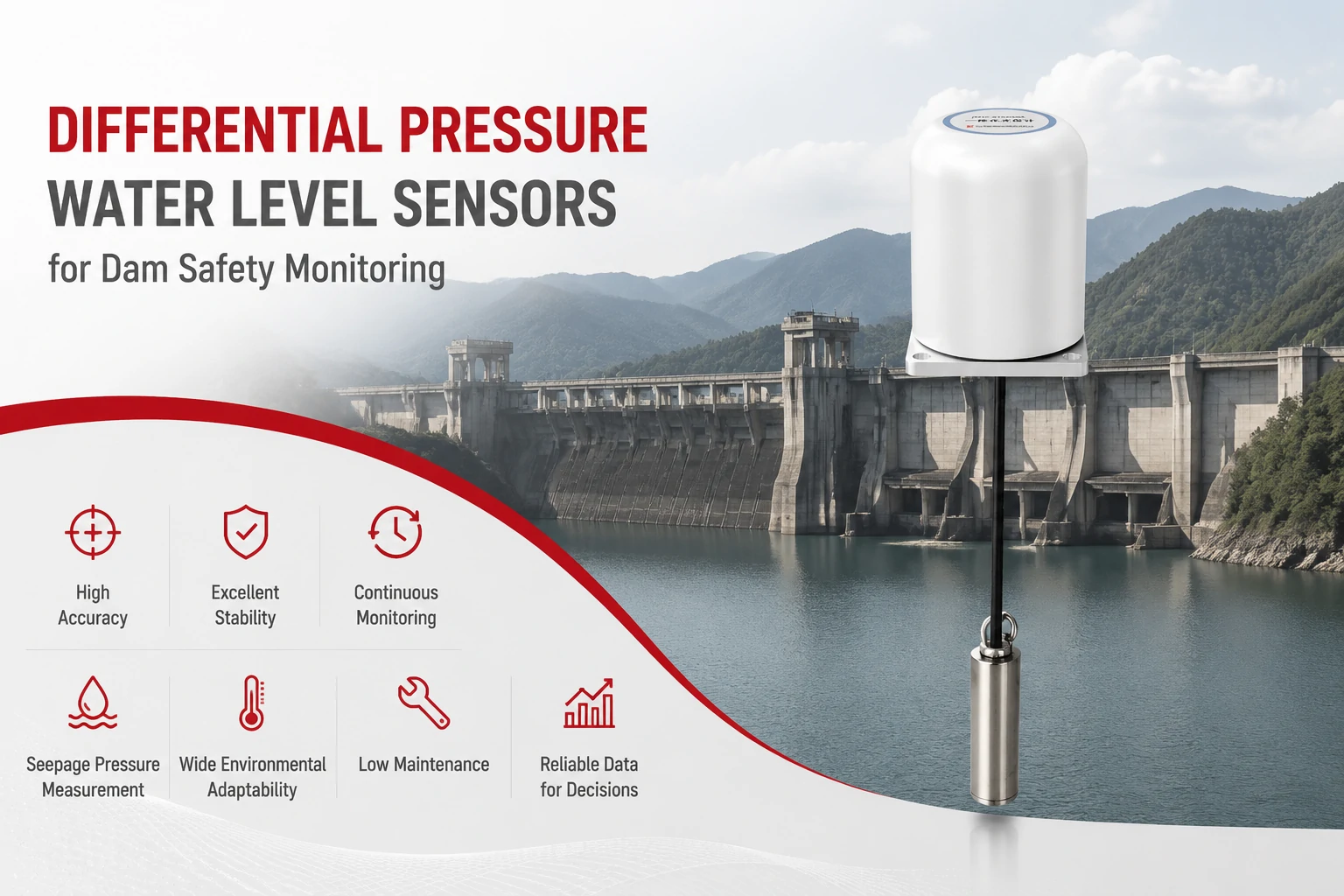
Key Takeaways The strongest fit is usually a confined, submerged, or s...
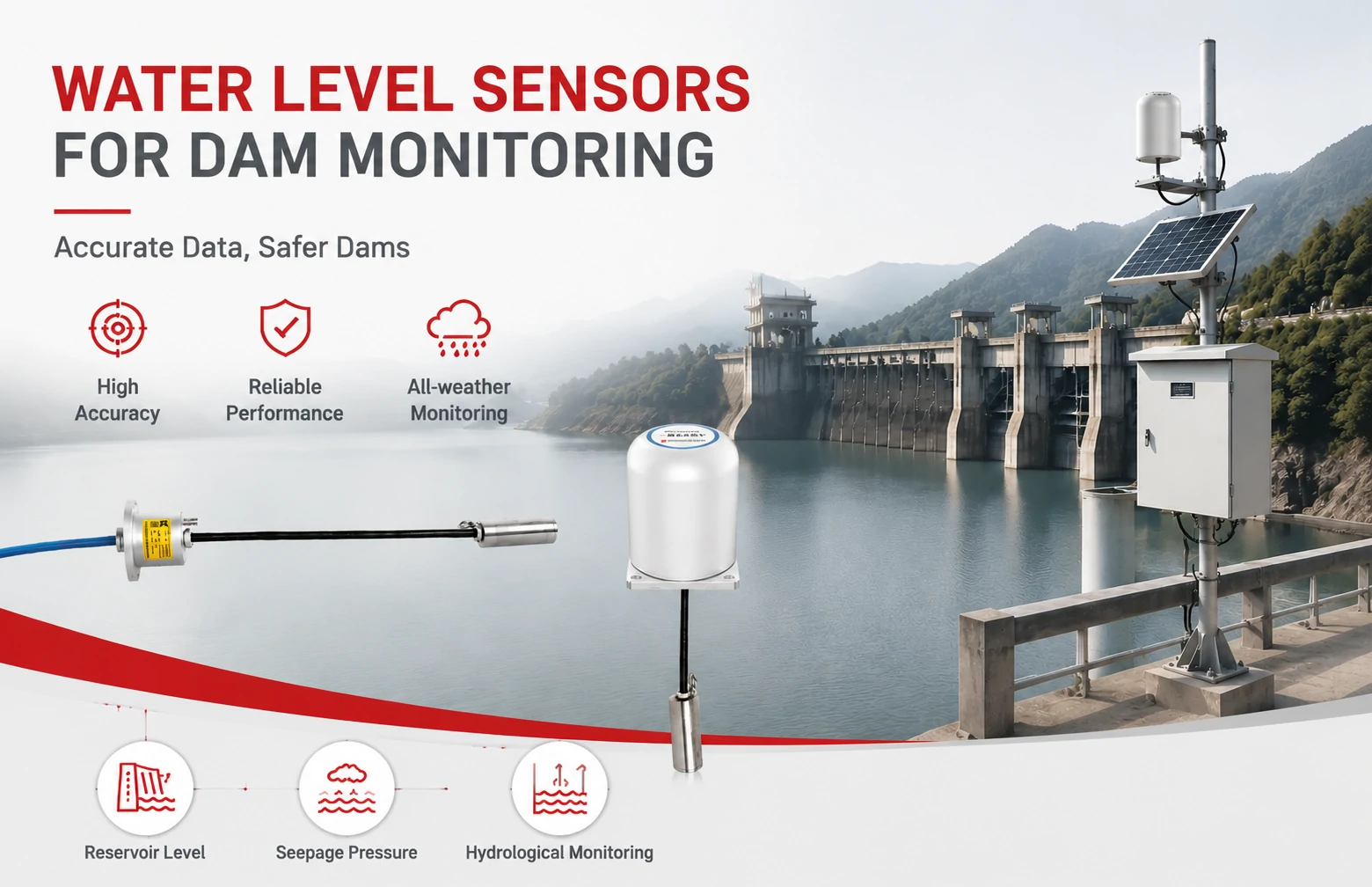
Kingmach Water Level Sensors for Dam Monitoring: A Buyer's Guide to Differential Pre...
Products
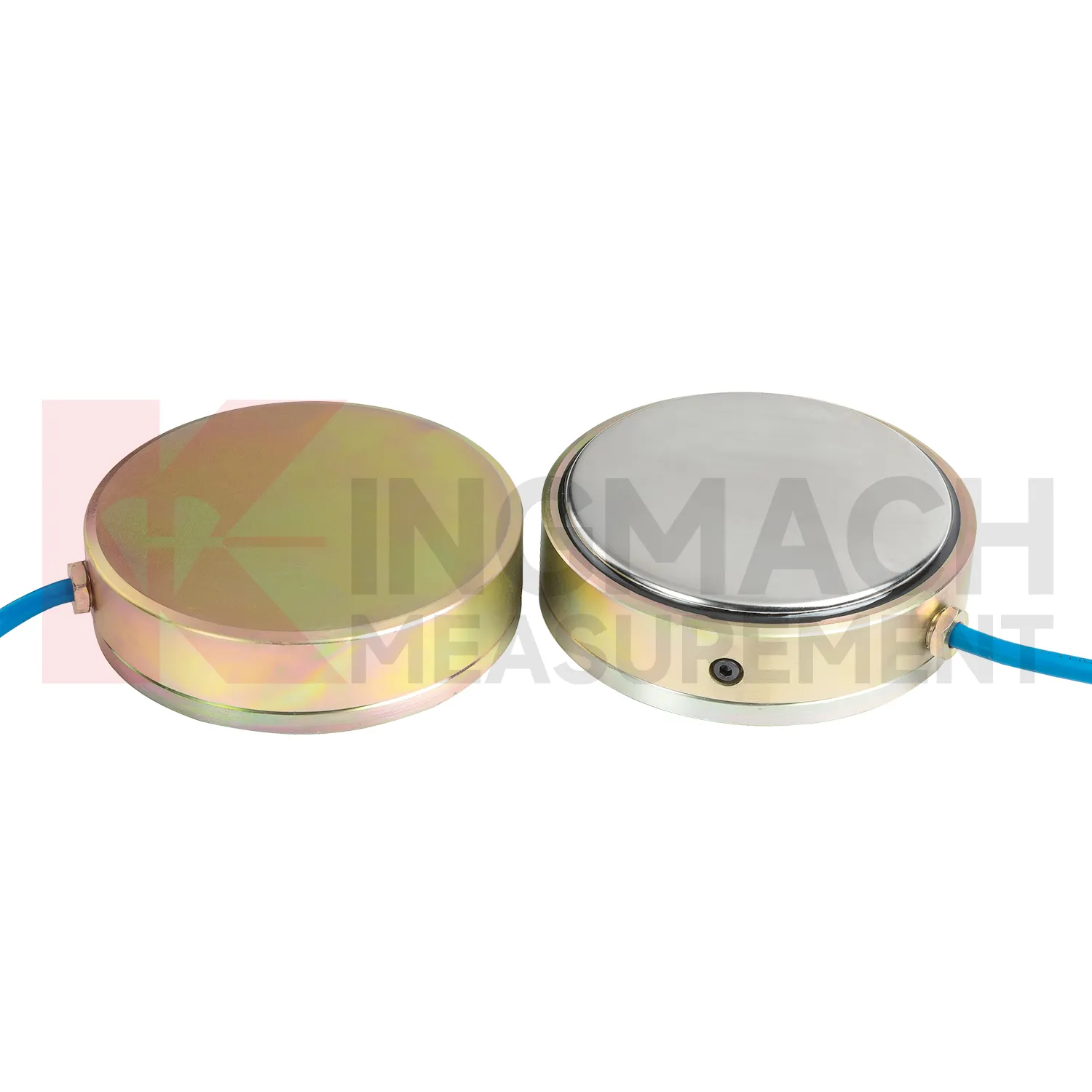
Large Earth Pressure Cell ( VW & Smart Type) JMZX-51XXAT/ ATM
View Details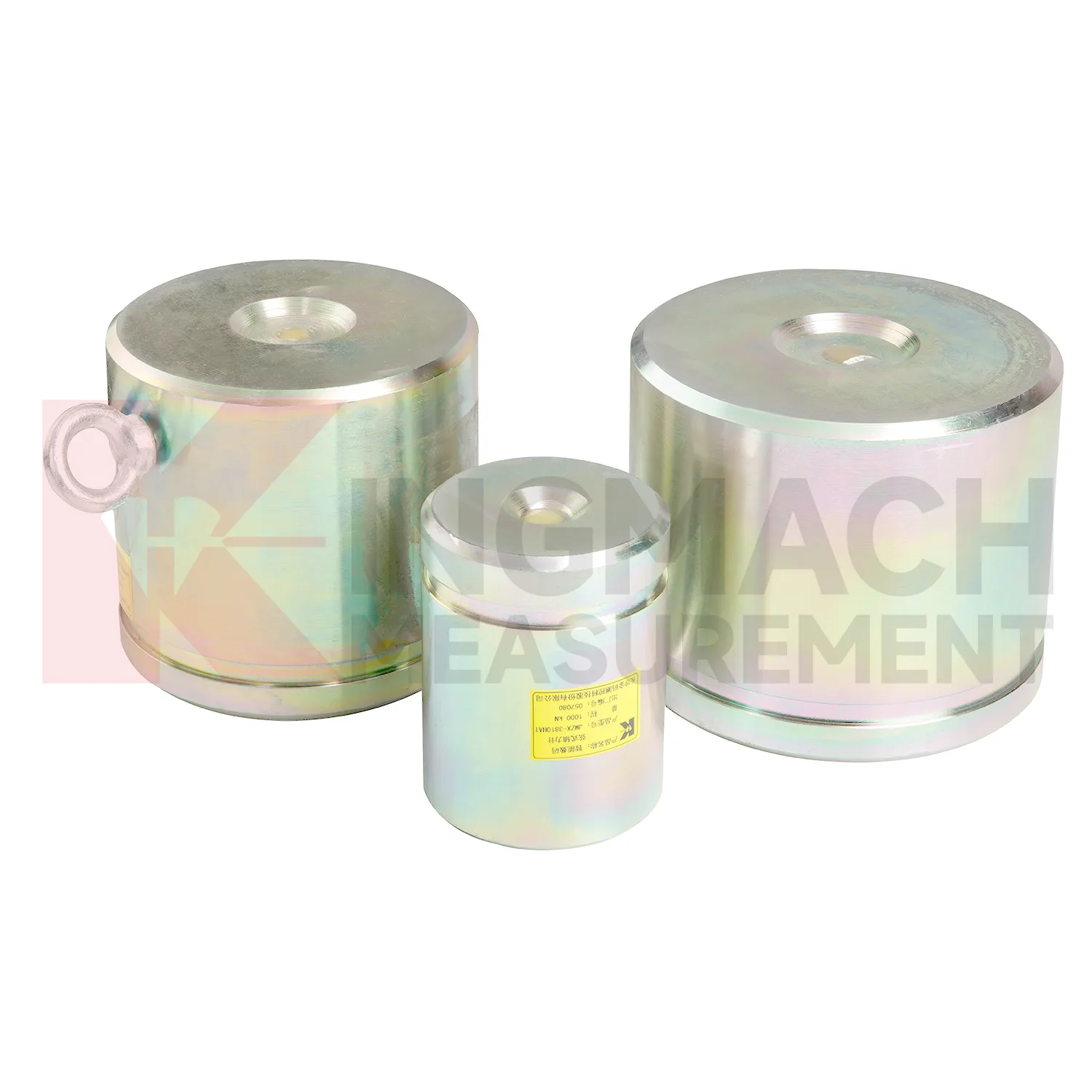
Axial Force Load Meter ( VW & Smart Type)JMZX-38XXHAT
View Details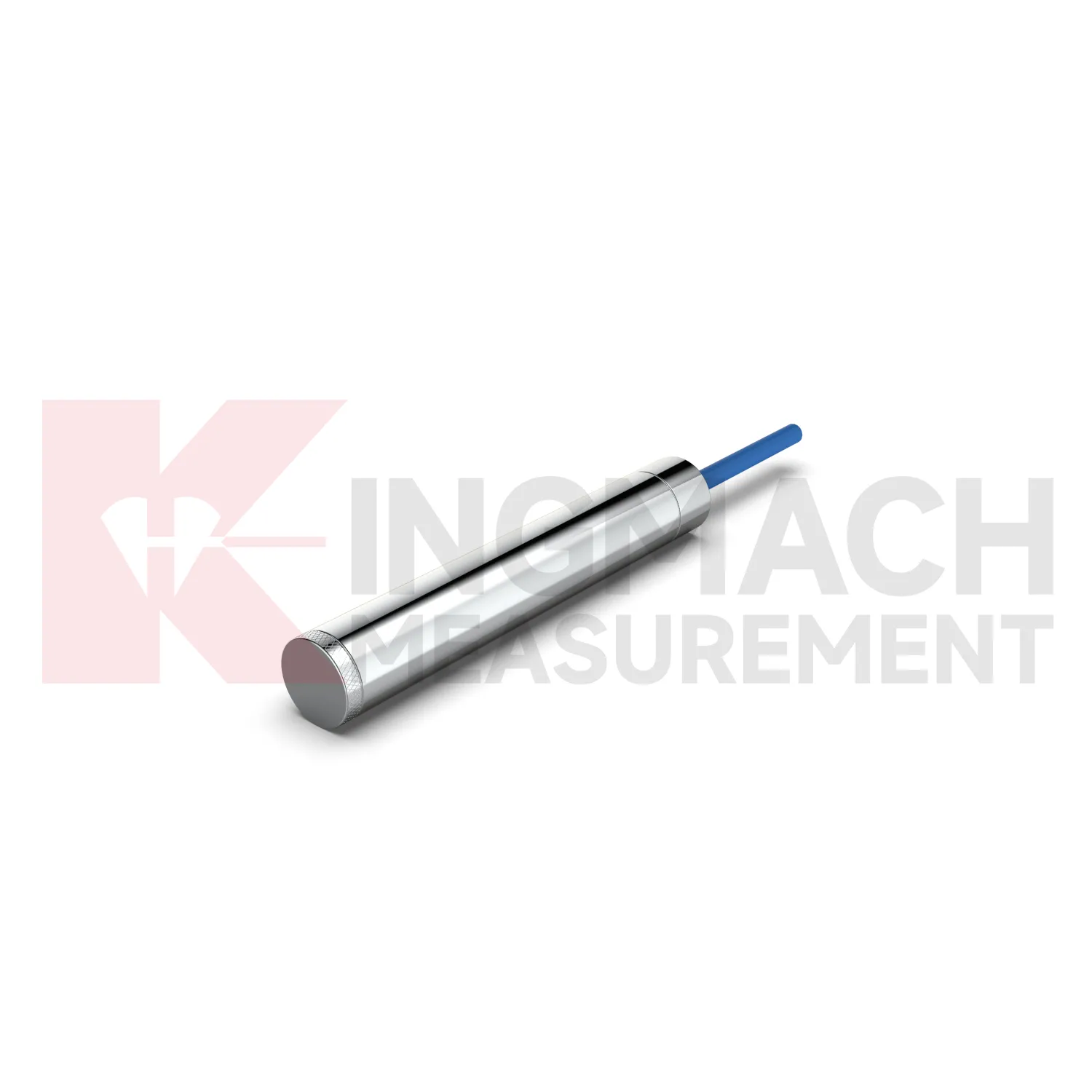
Smart Vibrating Wire PiezometerSmart Piezometers (VW) JMZX-55XXHAT
View DetailsFAQ
Most industrial load cells use 5 V, 10 V, or 12 V DC. Precision models may specify 10 V to get a higher signal output, but battery-powered loggers often use 5 V to save power. Always check the datasheet for the recommended range—applying even 15 V to a 10 V-rated sensor can damage the bridge.
Higher excitation gives a stronger millivolt-per-volt output, which improves the signal-to-noise ratio, especially over long cables. But higher voltage also increases self-heating, which can cause zero drift and creep errors. The key is to stay within the recommended range and use proper sense lines in 6-wire configurations.
Yes. Many of our geotechnical load cells are designed for a 5–15 V input range, so they integrate directly with loggers that provide a fixed 10 V excitation. We also offer models with internal signal conditioning that accept a wider supply range (e.g., 9–28 V) and output a stable signal regardless.
Exceeding the maximum rated voltage can overheat the strain gauges, shift the zero balance, and cause permanent damage. The bridge may also become non-linear. Always measure the actual voltage arriving at the load cell, especially when using long cables, because a power supply set to 10 V might drop to 9 V at the sensor—this is usually safe, but the reverse (overvoltage at the sensor) must be avoided.
For most field monitoring, a regulated supply is recommended because ripple or variations in excitation directly translate to noise in the measured signal. If your logger has a clean output, that is fine. In dynamic tests, we suggest checking the noise floor with your actual power source. Kingmach can provide matched power supplies if needed.
Share your product type, target capacity, and application requirements. Our team can review the details and recommend a practical next step.
If you are interested in our products or want to become our partner.
Please leave your contact information, our team will contact you as soon as possible.
Mail: [email protected]
Contact Us: +8613808434127
Address: No. 188 Tongzipo West Rd, Changsha, Hunan, China