
 EN
EN
 ar
ar bg
bg hr
hr cs
cs da
da nl
nl fi
fi fr
fr de
de el
el hi
hi it
it ko
ko no
no pl
pl pt
pt ro
ro ru
ru es
es sv
sv tl
tl iw
iw id
id lv
lv lt
lt sr
sr sk
sk sl
sl uk
uk vi
vi et
et hu
hu th
th tr
tr fa
fa ms
ms hy
hy ka
ka ur
ur bn
bn mn
mn ta
ta kk
kk uz
uz ku
ku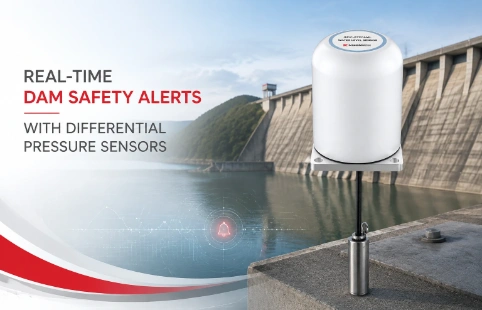
Real-Time Dam Safety Alerts with Differential Pressure Water Level Sensors
Key Takeaways An alert chain needs more than a sensor: define field in...

Load Cell Calibration: Keep Your Data Trustworthy
A load cell that’s even slightly off can send an entire monitoring project sideways. Drift doesn’t announce itself—it creeps in, and suddenly your settlement readings or pile tests are making decisions on numbers that no longer reflect reality. Calibration closes that gap. At Kingmach, we treat calibration as part of the sensor’s lifecycle, not a one-off task. Our team works with geotechnical instruments daily, which means we understand how a load cell behaves in the field, not just on a reference bench. We focus on traceable procedures that tie back to recognized standards—no shortcuts. Whether you’re running a slope monitoring system or instrumenting a deep excavation, a quick calibration check before deployment saves headaches later. And if you need something beyond a standard calibration, we can adapt to site-specific requirements because we know no two projects are identical.
Technical Detail
Kingmach has been supporting geotechnical and structural monitoring for years, and load cell calibration is a core part of how we help customers maintain measurement integrity. Instead of a generic service, we look at what each sensor is actually used for—compression, tension, or both—and how it’s embedded in the structure. That context shapes the calibration approach. Our setup uses traceable reference standards with documented uncertainty, so you get more than a certificate; you get a clear statement of where the cell stands relative to its original specs. For common applications like anchor force monitoring or pile testing, we typically exercise the load cell through its full working range, checking linearity, hysteresis, and repeatability. If a cell shows signs of zero drift or sensitivity shift, we diagnose whether it’s a cable issue, moisture ingress, or a deeper sensing element problem before we adjust anything. Because we manufacture instruments ourselves, we can often dig into the electrical and mechanical details that a third-party lab might miss. We also offer on-site calibration support when removing the sensor would disrupt an ongoing monitoring sequence—that’s not always possible, but we’ll tell you honestly whether it is. After calibration, you’ll get a record that helps with Q/A and audit trails. The goal isn’t perfection on paper; it’s confidence in the numbers you’re watching every day.
News
Key Takeaways An alert chain needs more than a sensor: define field in...
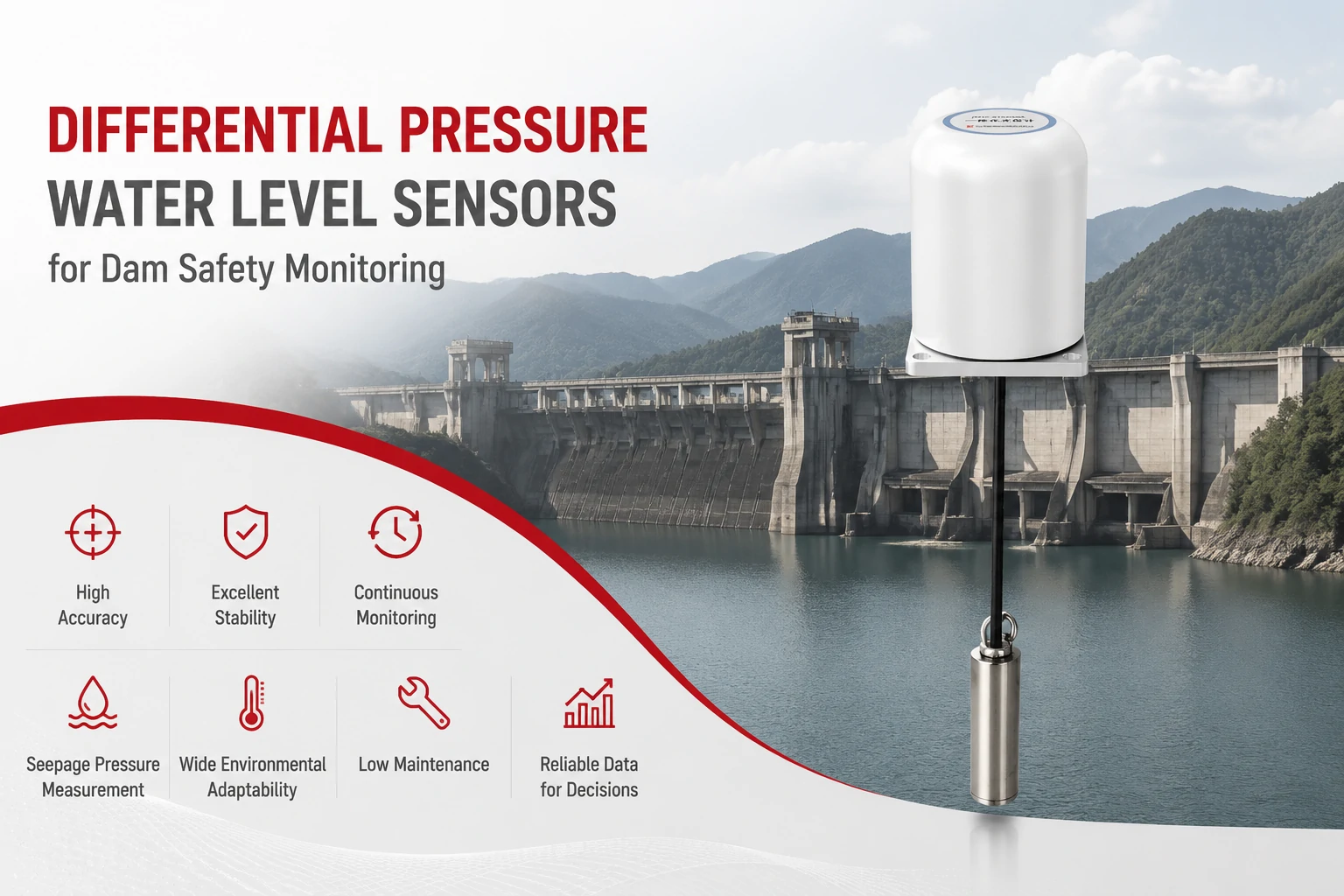
Key Takeaways The strongest fit is usually a confined, submerged, or s...
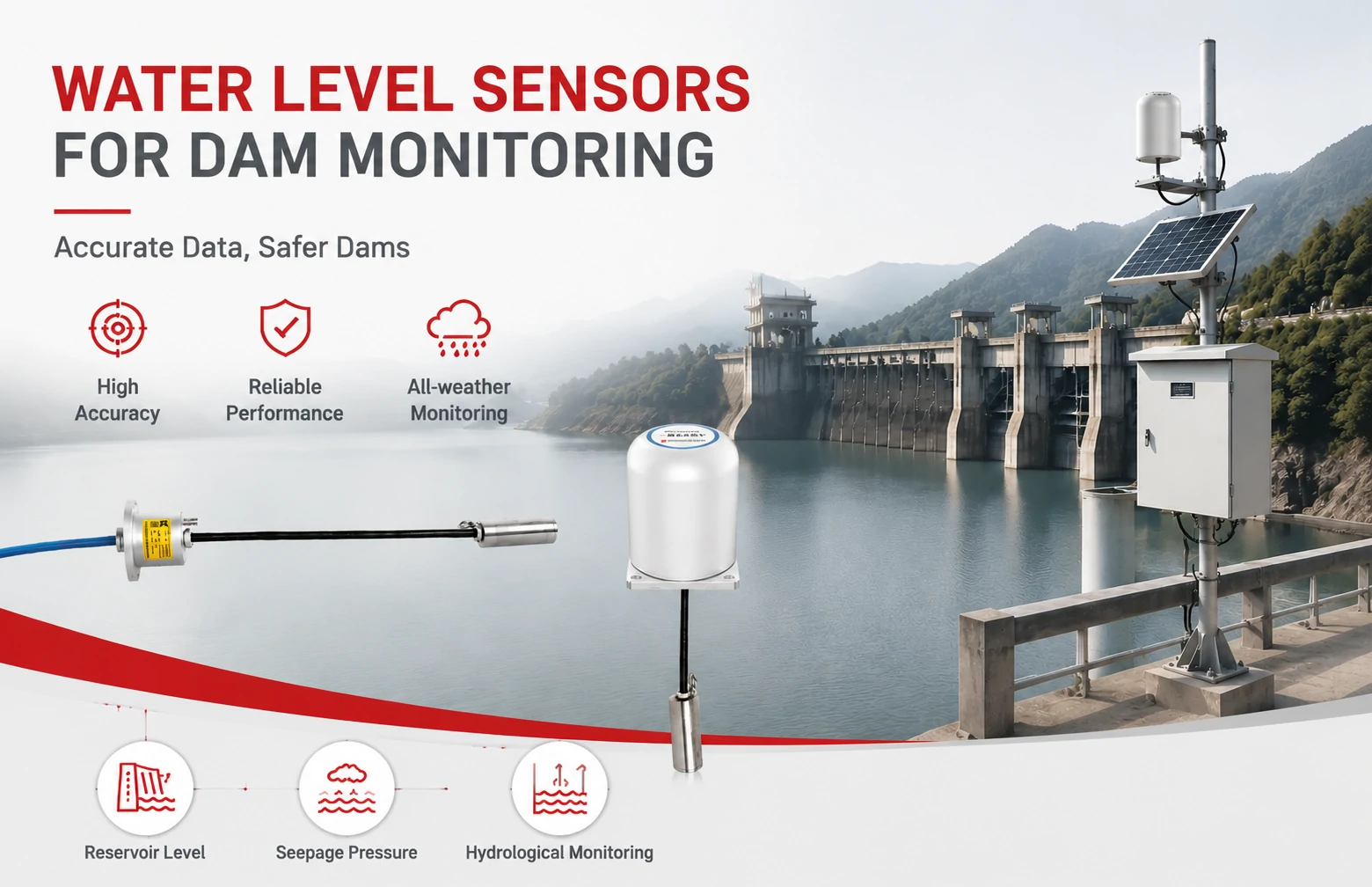
Kingmach Water Level Sensors for Dam Monitoring: A Buyer's Guide to Differential Pre...
Products
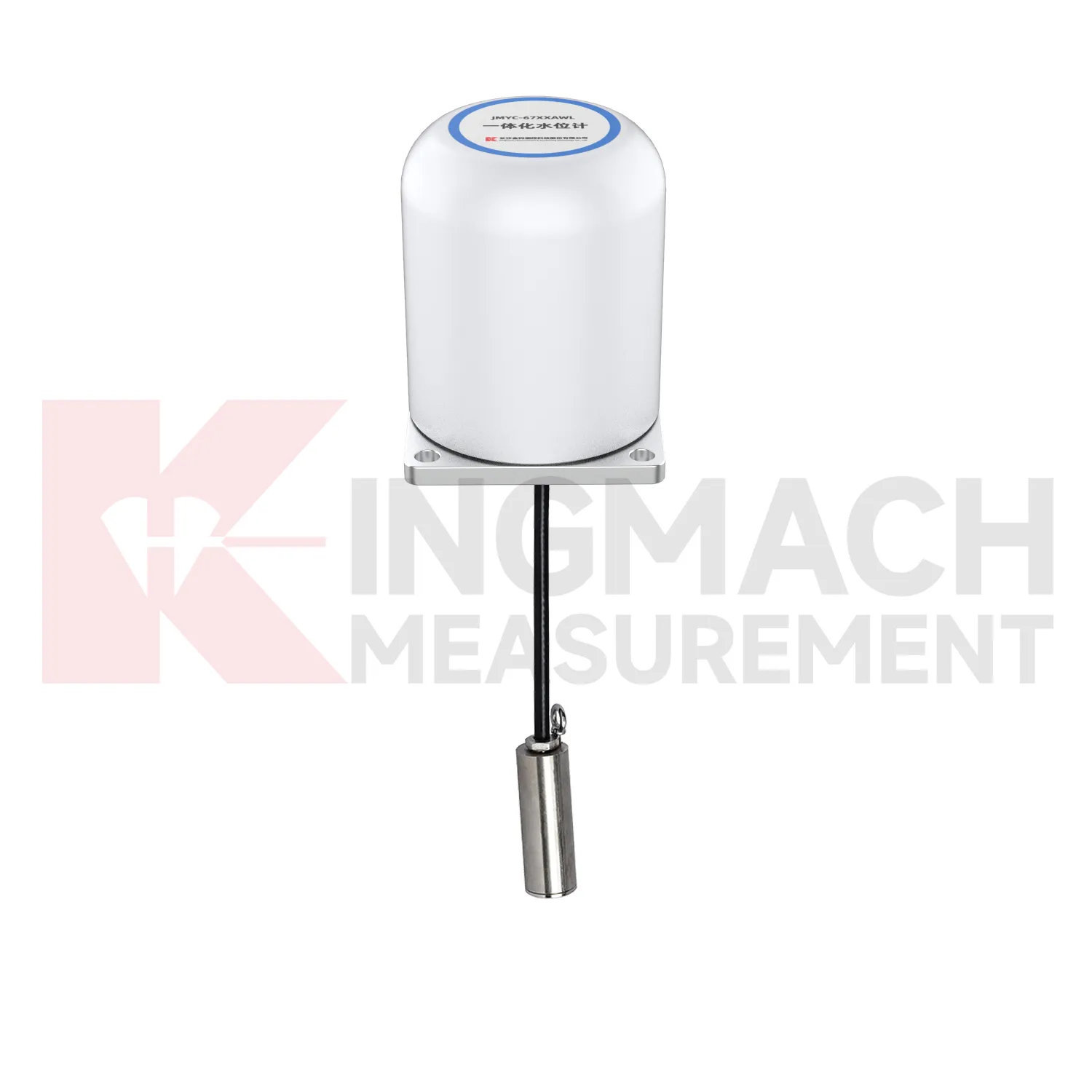
Integrated Wide-Range Differential Pressure Water Level Meter JMYC-67XXAWL
View Details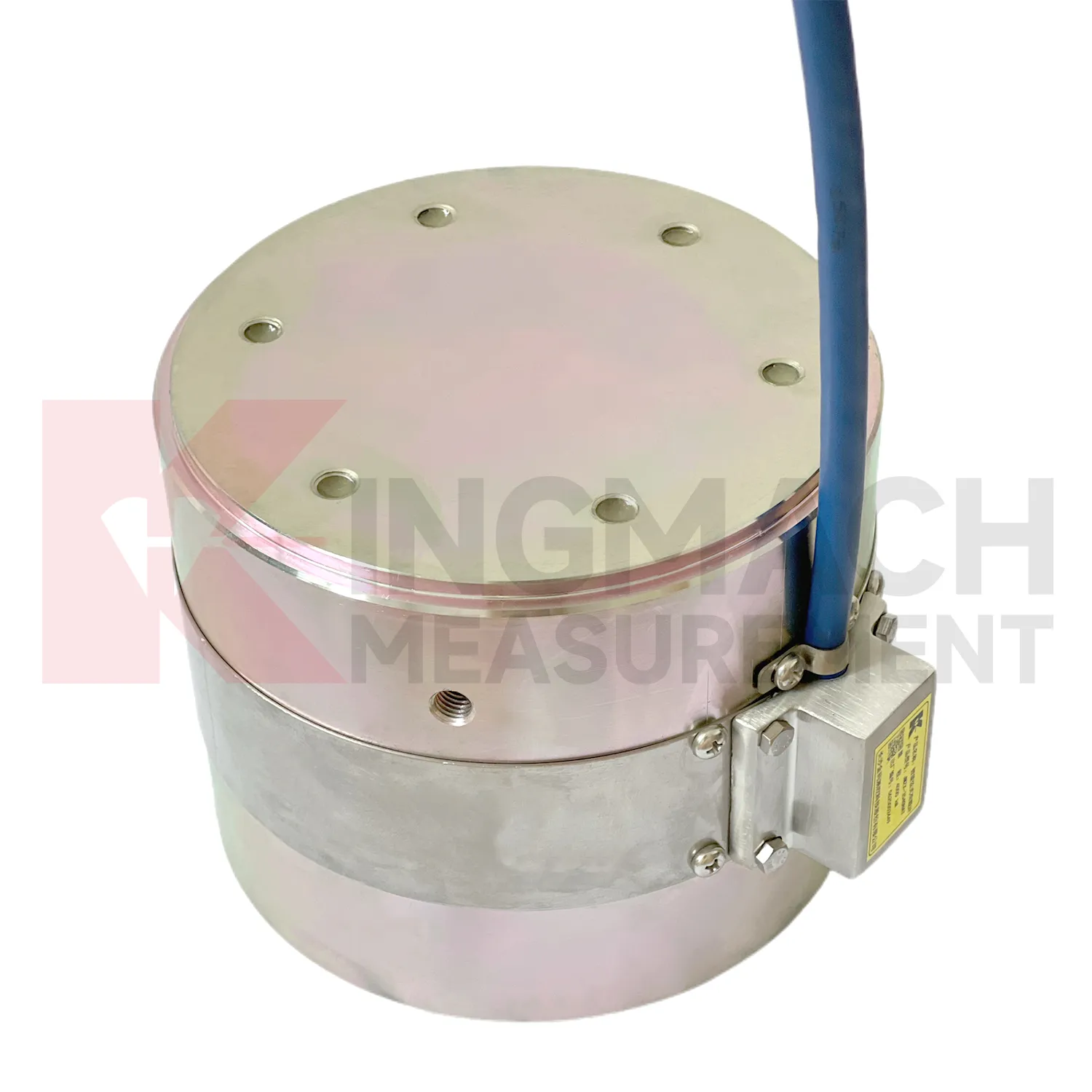
Solid load cell JMZX-34XXHAT、35XXHAT、36XXHAT
View Details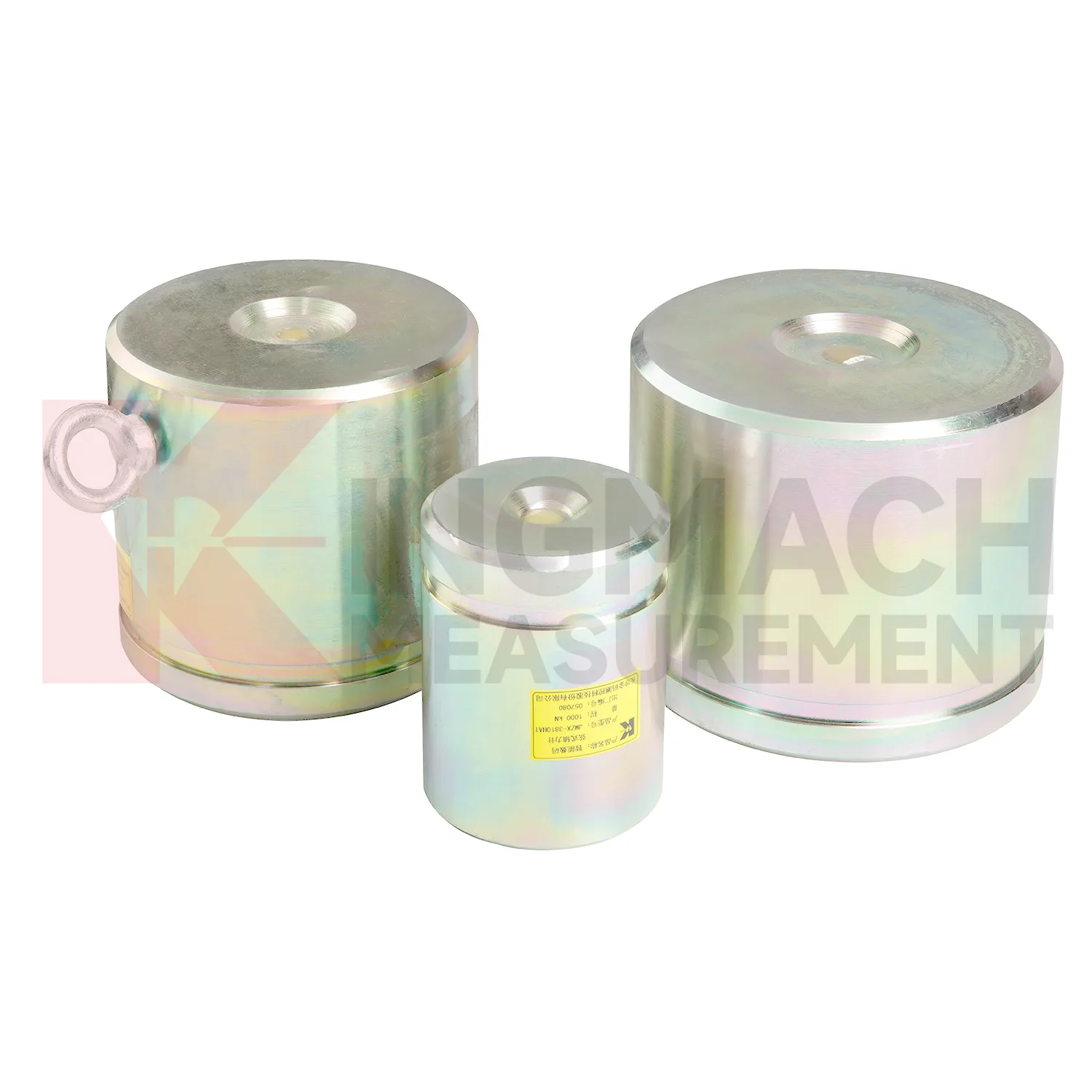
Axial Force Load Meter ( VW & Smart Type)JMZX-38XXHAT
View DetailsFAQ
The most common sign is zero drift—when the reading doesn’t return to the original zero after unloading. Also, if you compare it against a known reference load and see a deviation beyond your project’s tolerance, it’s time for calibration. Some monitoring specs mandate annual recalibration regardless of symptoms.
We do both. Lab calibration is more controlled and cost-effective for most cases. On-site work is available when removing the sensor would cut critical data. It requires a stable setup and portable reference standards, so we’ll evaluate feasibility together before committing.
We trace our reference load cells to national standards, and the procedures align with common industry practices such as ASTM E74 or ISO 376. The exact standard referenced depends on the sensor type and your project requirements; we’ll state it clearly in the calibration report.
Not always. Calibration corrects systematic errors like sensitivity shift or offset, but erratic readings often point to wiring damage, moisture inside the strain gauge circuit, or a fatigue crack. We check for those faults during the process and let you know if the cell is beyond economical repair before spending your budget on calibration.
In our lab, a standard load cell often takes a few working days after receipt. If we need to stabilize the cell at temperature or run additional load cycles to settle repeatability, it can stretch the timeline. We’ll confirm the turnaround when you reach out.
Share your product type, target capacity, and application requirements. Our team can review the details and recommend a practical next step.
If you are interested in our products or want to become our partner.
Please leave your contact information, our team will contact you as soon as possible.
Mail: [email protected]
Contact Us: +8613808434127
Address: No. 188 Tongzipo West Rd, Changsha, Hunan, China