
 EN
EN
 ar
ar bg
bg hr
hr cs
cs da
da nl
nl fi
fi fr
fr de
de el
el hi
hi it
it ko
ko no
no pl
pl pt
pt ro
ro ru
ru es
es sv
sv tl
tl iw
iw id
id lv
lv lt
lt sr
sr sk
sk sl
sl uk
uk vi
vi et
et hu
hu th
th tr
tr fa
fa ms
ms hy
hy ka
ka ur
ur bn
bn mn
mn ta
ta kk
kk uz
uz ku
ku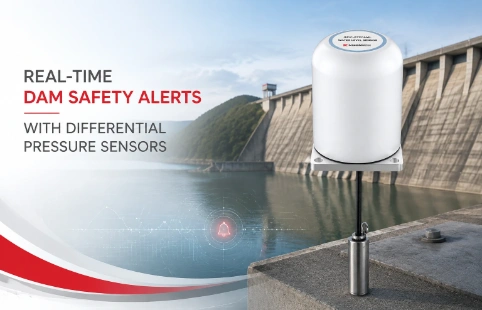
Real-Time Dam Safety Alerts with Differential Pressure Water Level Sensors
Key Takeaways An alert chain needs more than a sensor: define field in...

How Application Load Cells Work in Critical Monitoring
A few years ago, a pile load test in soft ground kept producing erratic readings. The issue wasn't the sensor itself—it was the way it was mounted and interpreted. That experience drove home a point: an application load cell is only as good as its installation and the context you give it. In geotechnical work, these sensors sit inside anchor heads, under bridge bearings, or between retaining wall elements. They measure force directly in the load path, but getting reliable data means understanding the mechanical boundary conditions. This guide walks through real project lessons and the practical choices involved in using application load cells for structural and geotechnical monitoring.
Technical Detail
Kingmach supplies a range of application load cells designed for civil and geotechnical instrumentation. The focus is on load cells that fit into actual construction environments—whether that's a congested anchor chair or a bearing plate exposed to weather. Common configurations include center-hole units for tieback anchors, solid compression cells for pile testing, and custom shapes to match existing hardware. Most have integrated temperature compensation and built-in surge protection, which reduce data drift during long-term monitoring. The sensing element often uses foil strain gauges in a full Wheatstone bridge, giving a repeatability in the 0.05% of rated capacity range under stable conditions. Output options are typically 4-20 mA, mV/V, or digital RS-485, making it straightforward to connect to typical dataloggers. The steel alloy used in the housing can be standard tool steel or stainless steel for marine environments, with IP67 or IP68 ratings available. Kingmach engineers regularly handle special requests: load cells with stepped loading ranges, combined load and displacement measurement, or separate calibration for tension and compression in the same unit. Field support includes on-site installation checks and remote troubleshooting during the first measurement phase. The goal is to deliver a sensor that doesn't just meet a datasheet spec, but actually works in the real setting.
News
Key Takeaways An alert chain needs more than a sensor: define field in...
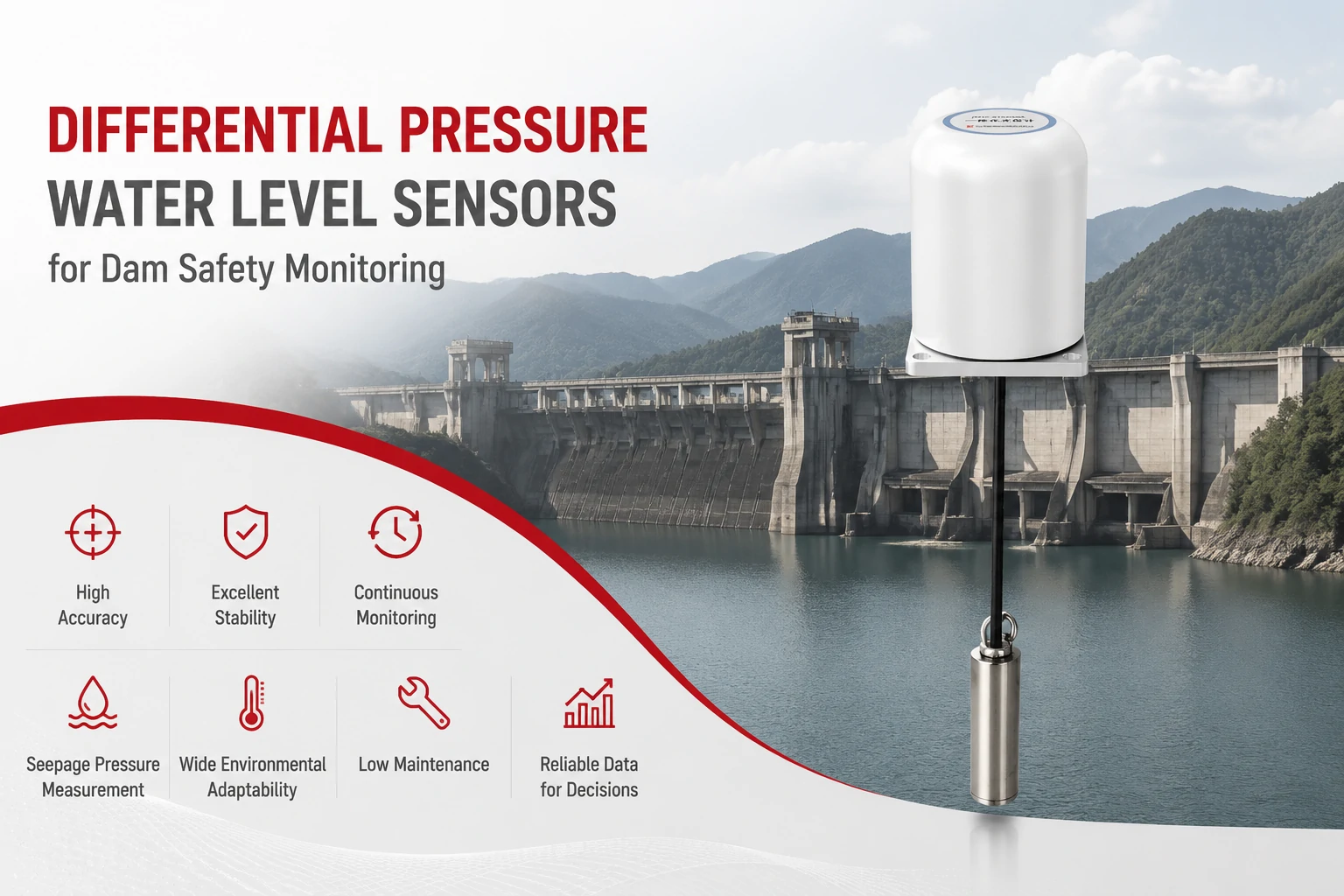
Key Takeaways The strongest fit is usually a confined, submerged, or s...
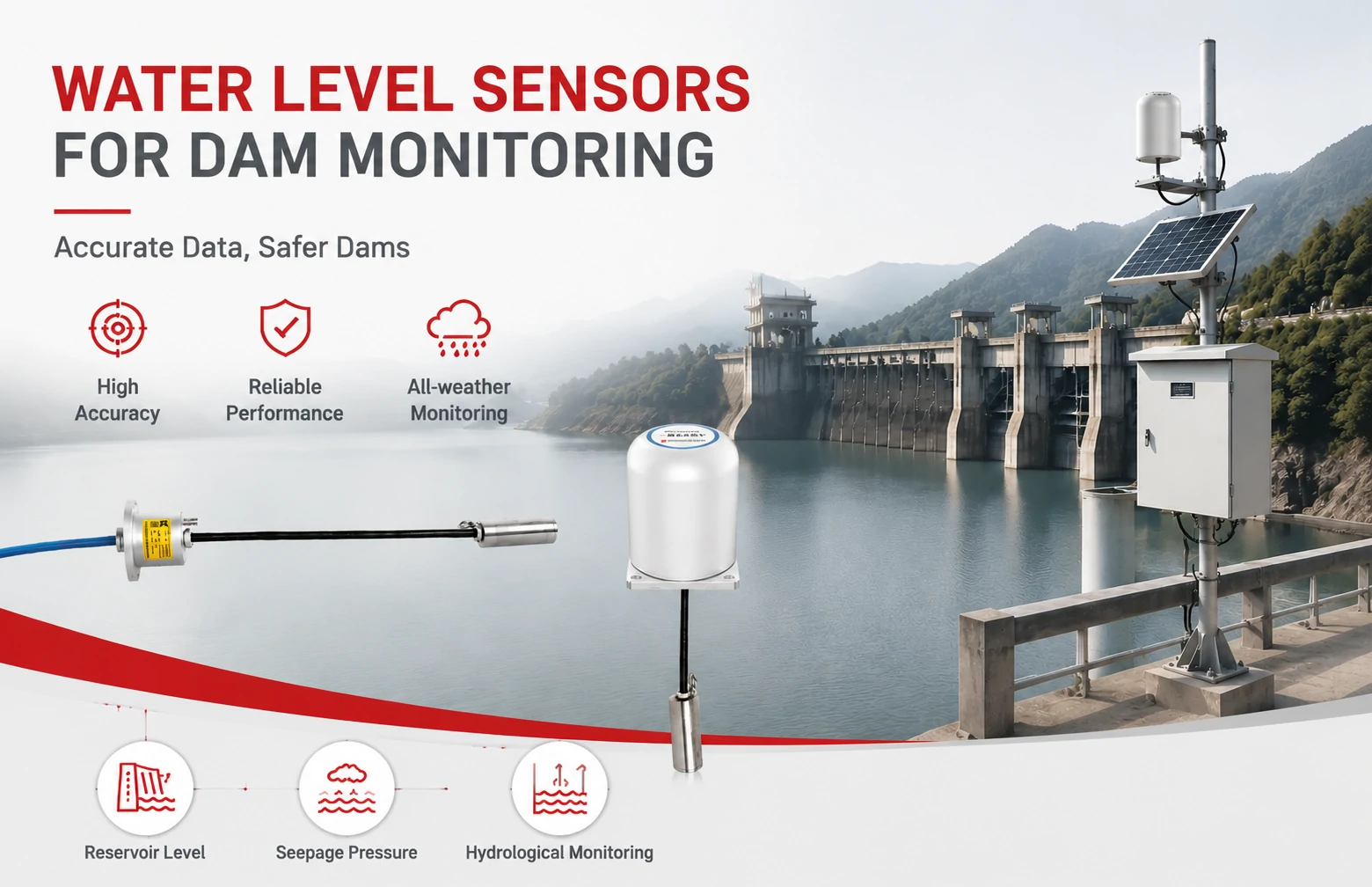
Kingmach Water Level Sensors for Dam Monitoring: A Buyer's Guide to Differential Pre...
Products
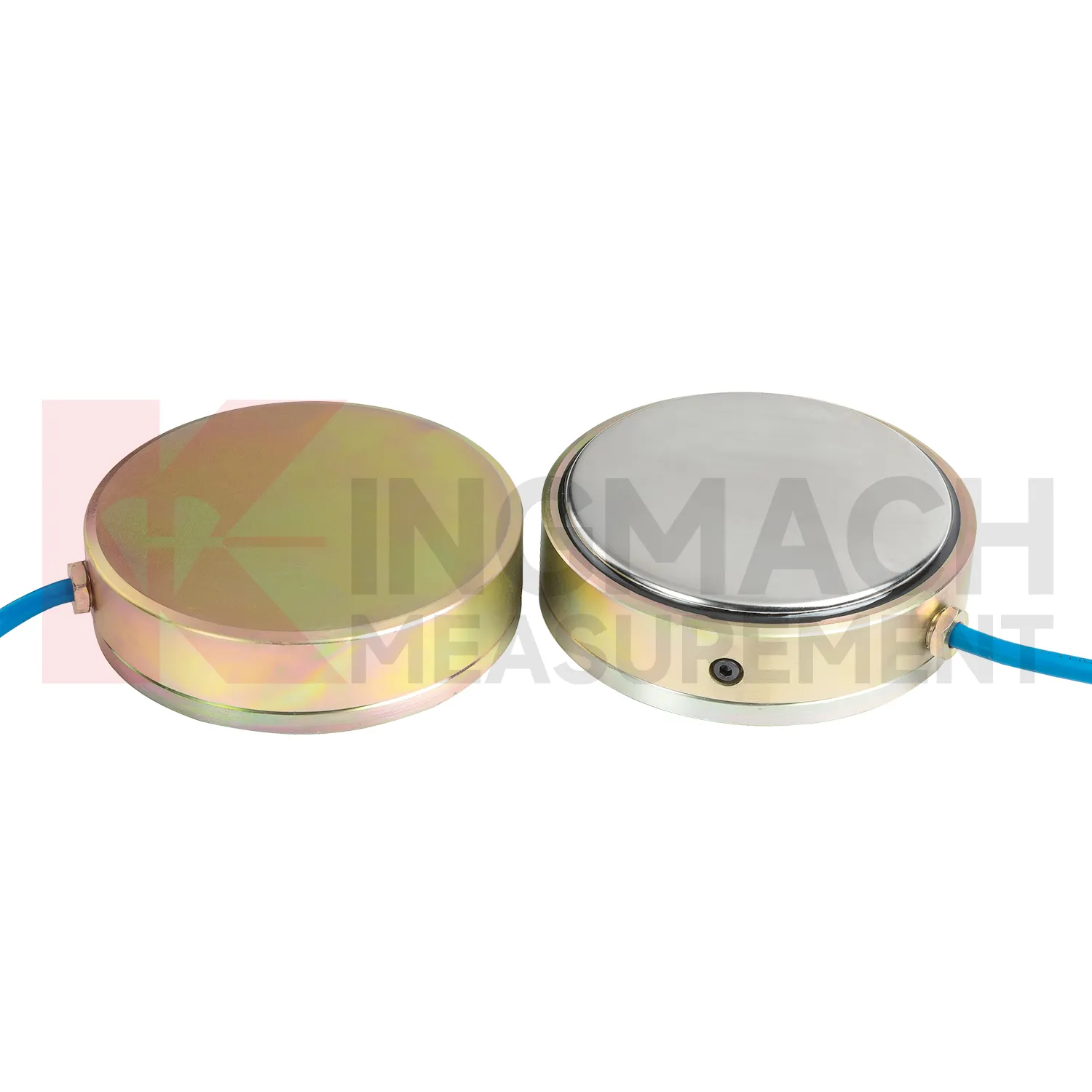
Earth Pressure Cell ( VW & Smart Type) JMZX-50XXAT/ ATM
View Details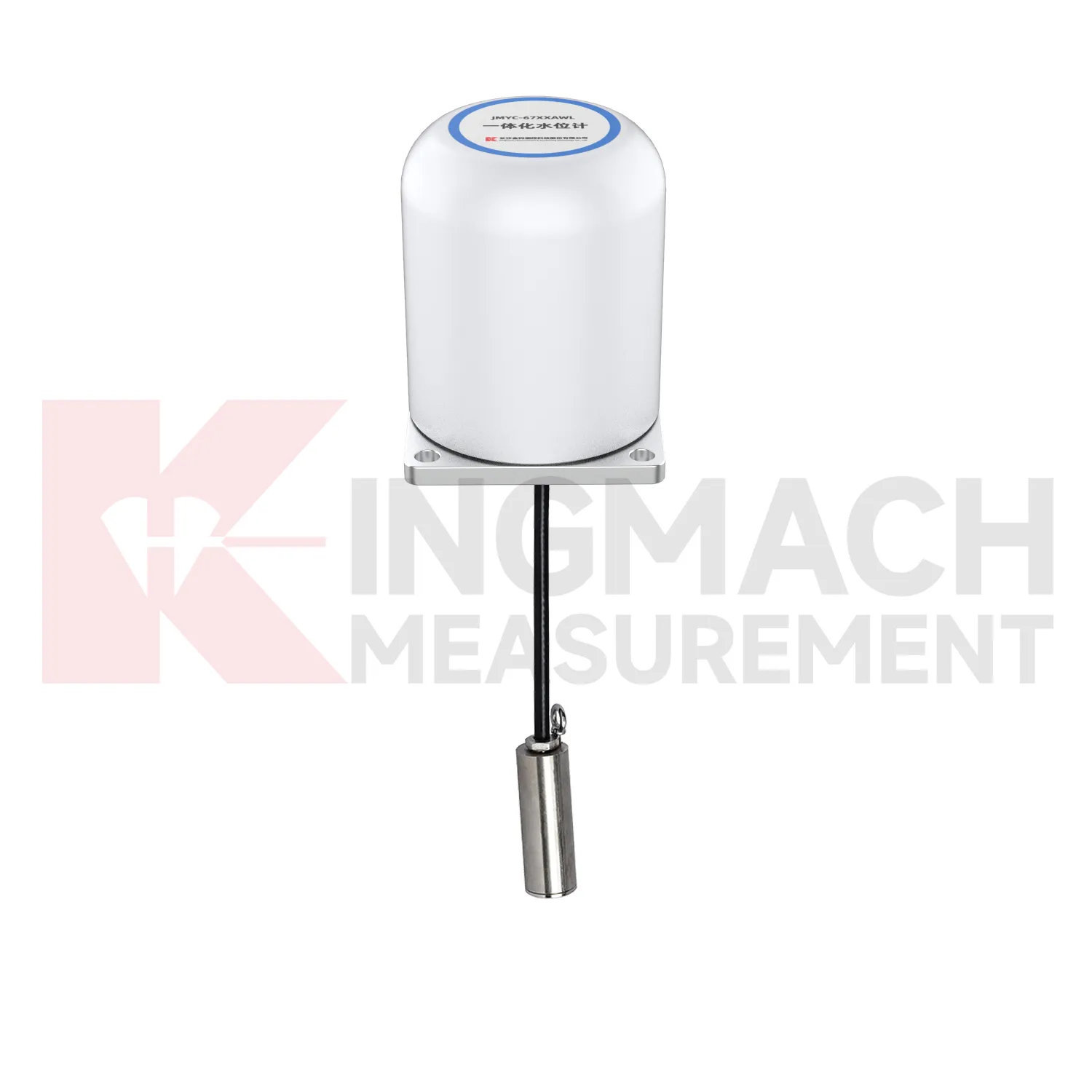
Integrated Wide-Range Differential Pressure Water Level Meter JMYC-67XXAWL
View Details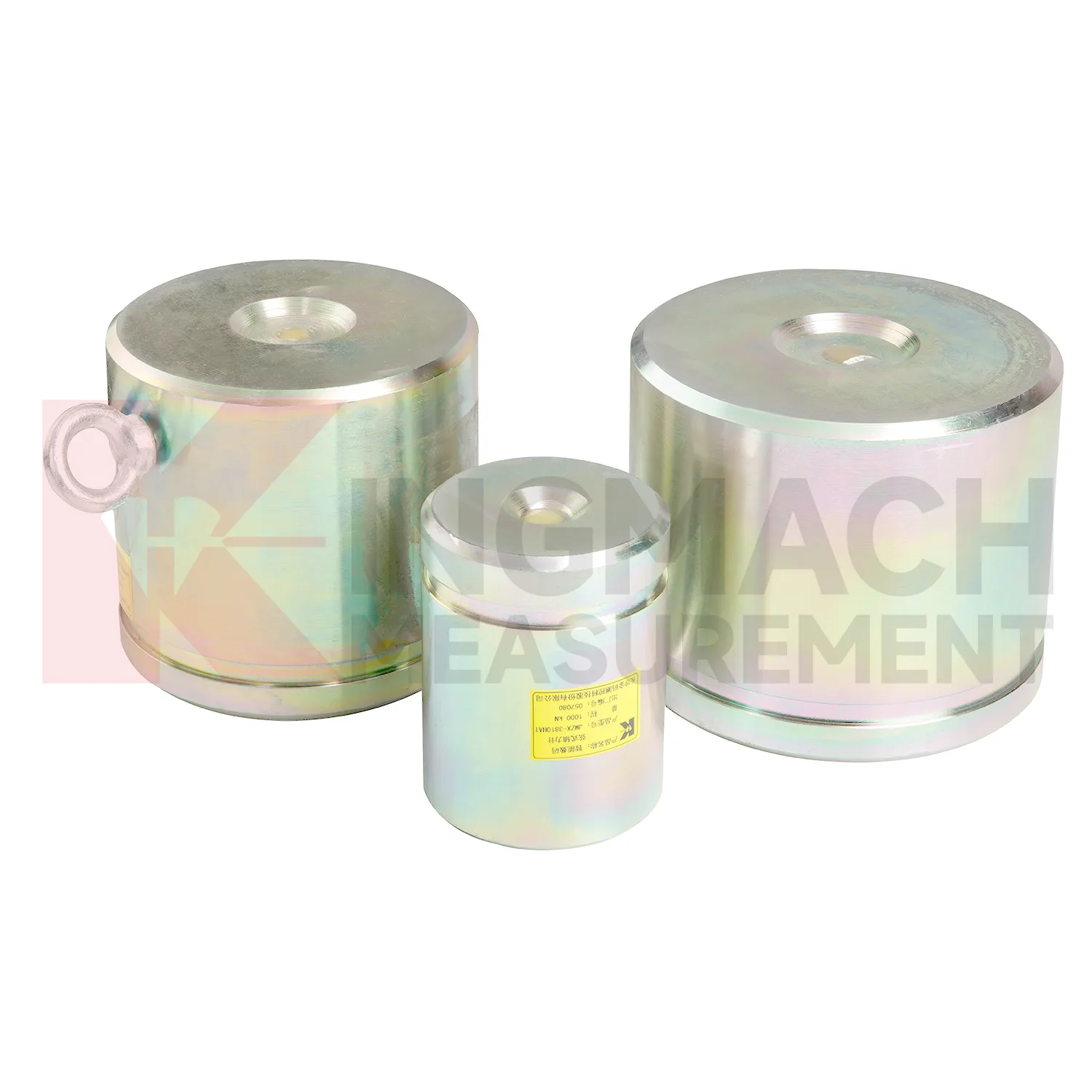
Axial Force Load Meter ( VW & Smart Type)JMZX-38XXHAT
View DetailsFAQ
A standard load cell is typically calibrated for a specific force direction and clean loading conditions. An application load cell is configured with the mounting hardware, environmental protection, and cable routing needed for a particular job—say, monitoring tieback tension on a retaining wall. The core sensor may be similar, but the packaging, connectors, and calibration are matched to how it will be used.
If you need to measure tension in an anchor or tendon, a center-hole design lets the tendon pass through the sensor. For compression applications—like monitoring pile head load—a solid pancake-type cell usually works better because it's stiffer and easier to center under the load. The choice comes down to load path geometry.
Yes, with the right sealing. Most geotechnical load cells come with O-ring seals and a welded stainless steel body that can handle submersion. We supply cells rated to IP68, which survive long-term burial in saturated soil. Cable connections are also potted or sealed with heat-shrink boots to prevent moisture ingress.
It depends on the installation stress and environment. For a stable, static load like a bridge bearing, we see drift under 0.5% per year, so annual checks are common. In dynamic applications or where the cell is frequently overloaded, more frequent verification may be needed. We usually recommend comparing the output to a known reference at least once a year.
Yes. Most of our cells output a standard signal like 4-20 mA or RS-485 that connects directly to common dataloggers, including wireless nodes. We can also supply a preconfigured system with solar power, cellular modem, and cloud access if the site is remote.
Share your product type, target capacity, and application requirements. Our team can review the details and recommend a practical next step.
If you are interested in our products or want to become our partner.
Please leave your contact information, our team will contact you as soon as possible.
Mail: [email protected]
Contact Us: +8613808434127
Address: No. 188 Tongzipo West Rd, Changsha, Hunan, China