
 EN
EN
 ar
ar bg
bg hr
hr cs
cs da
da nl
nl fi
fi fr
fr de
de el
el hi
hi it
it ko
ko no
no pl
pl pt
pt ro
ro ru
ru es
es sv
sv tl
tl iw
iw id
id lv
lv lt
lt sr
sr sk
sk sl
sl uk
uk vi
vi et
et hu
hu th
th tr
tr fa
fa ms
ms hy
hy ka
ka ur
ur bn
bn mn
mn ta
ta kk
kk uz
uz ku
ku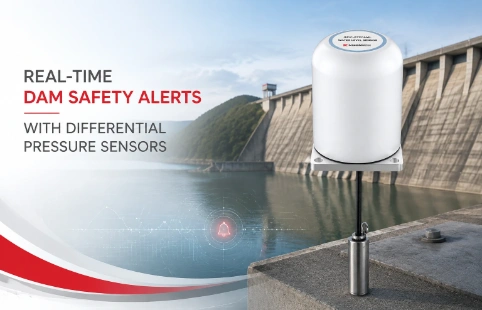
Real-Time Dam Safety Alerts with Differential Pressure Water Level Sensors
Key Takeaways An alert chain needs more than a sensor: define field in...

Vibrating Wire Strain Sensors for Geotechnical Monitoring
Strain measurement is not a new topic in geotechnical engineering, but it is sometimes not easy to find a sensor that can work stably for a long time and can be flexibly installed on concrete or steel structures. Kingmach's vibrating wire strain gauges are mainly used in structures such as tunnels, bridges, and dams to monitor stress changes. The sensor itself has a simple structure and uses the frequency change of a steel string to reflect strain. Therefore, the temperature effect is small and it can be buried for many years without calibration. There are many such sensors on the market, but the advantage of Kingmach is that it can customize the length and range according to specific projects. Whether it's a long gauge model buried in concrete or a short gauge version fixed to a steel surface, it can be done. In actual installation, some projects require hundreds of pieces, and different locations have different measuring range requirements. We will supply them in batches according to the design to avoid on-site backlog. After-sales technical support is directly connected to factory engineers. There are no layers of handovers in between. Most problems can be clarified on the same day.
Technical Detail
The principle of the vibrating wire strain gauge is to use the natural vibration frequency of the steel string to change with strain. This technology has been used for decades, but it is still more reliable than other sensors in some situations, especially field monitoring that requires long-term stability and immunity to interference. Kingmach provides vibrating wire strain gauges in embedded, surface, and welded types, with measuring ranges ranging from hundreds to thousands of microstrains. The sensor body is sealed and equipped with a thermistor inside, which can be used for simultaneous temperature measurement and correction. The signal cable uses a waterproof connector, and the length can be customized according to site needs. It is buried in the shotcrete lining of the tunnel to monitor the strain accumulation during the pressure release process of the surrounding rock; it is welded at key sections of the bridge to track wind load and traffic load; it is installed at the joint of the dam to observe the changes in structural opening and closing. These scenarios have very high requirements on the sensor life, which generally lasts for more than ten years. The vibrating wire type is the mainstream choice. Kingmach's customers are located around the world, and many general contractors and testing institutions purchase directly. The technical team will design appropriate installation accessories in conjunction with the project, and special range or water pressure resistance requirements can also be adjusted. After-sales maintenance is simple, the reader is universal and no special equipment is required. The supply cycle is shorter than that of imported brands, and the technical service response is also quick. For large-volume repetitive projects, we can prepare materials in advance to maintain long-term stable supply, and the price is more advantageous than temporary procurement.
News
Key Takeaways An alert chain needs more than a sensor: define field in...
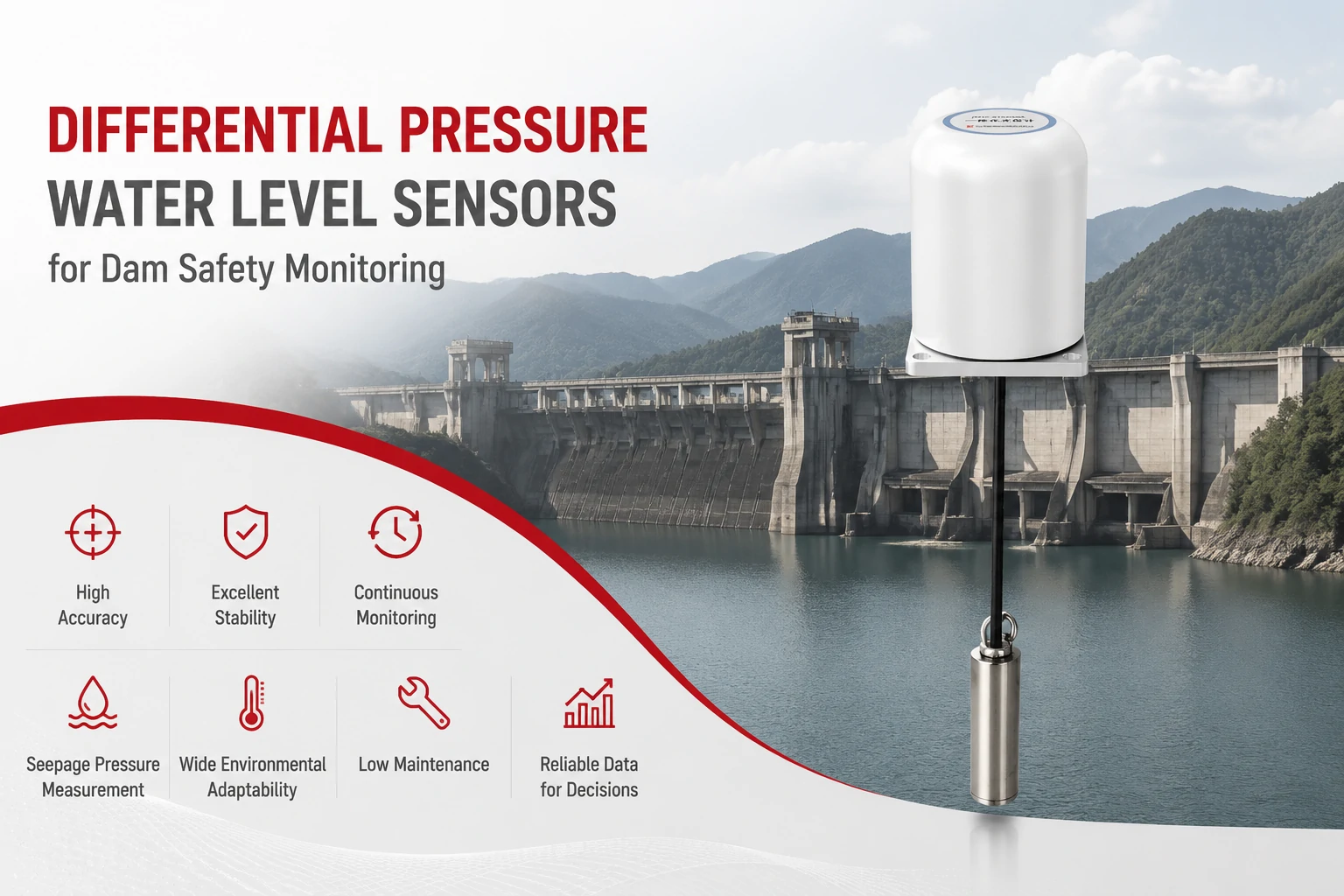
Key Takeaways The strongest fit is usually a confined, submerged, or s...
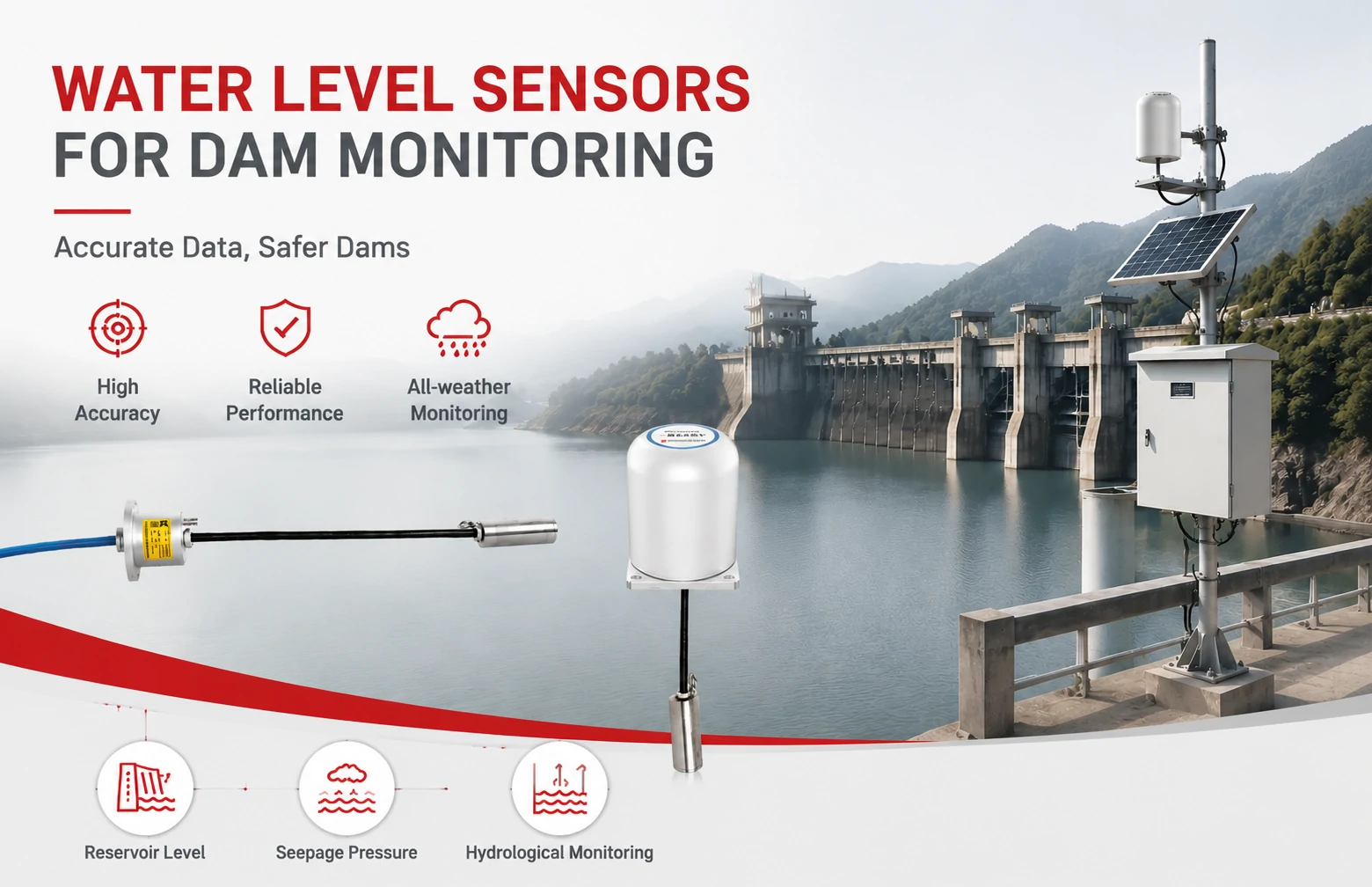
Kingmach Water Level Sensors for Dam Monitoring: A Buyer's Guide to Differential Pre...
Products
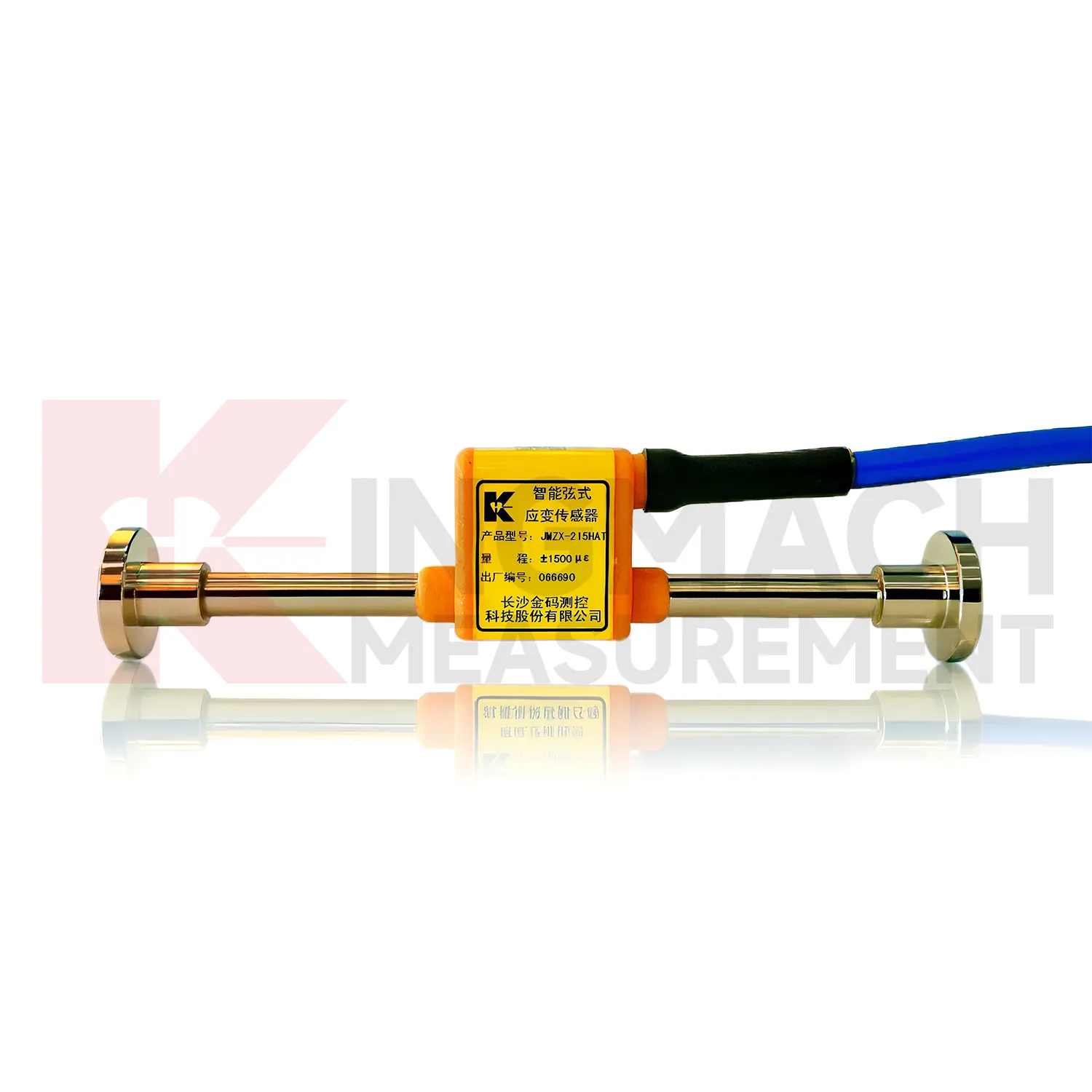
Smart vibrating wire strain gauge (embedment model) JMZX-215HA/215HAT/HB
View Details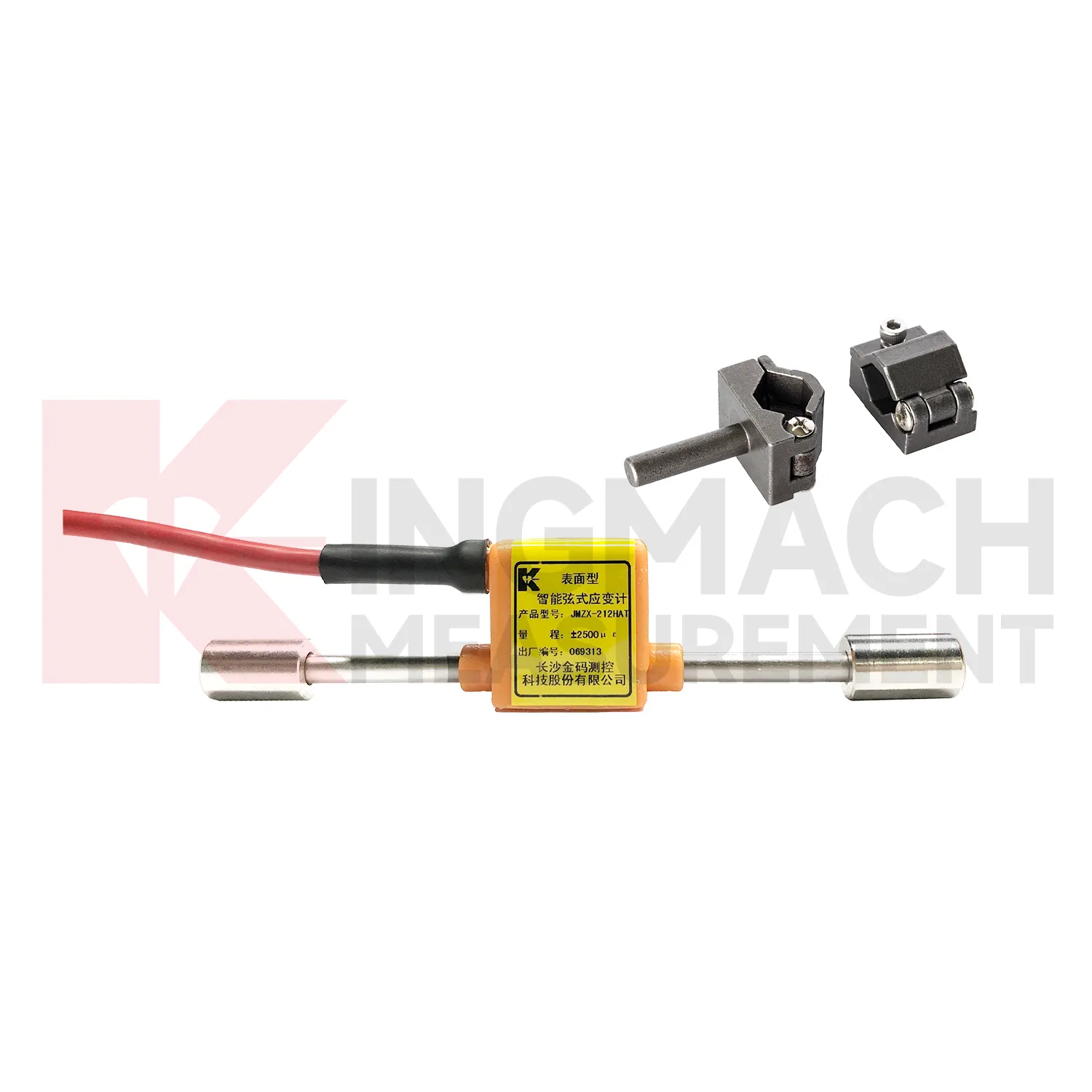
Smart vibrating wire strain gauge (surface model) JMZX-212HAT/HB
View Details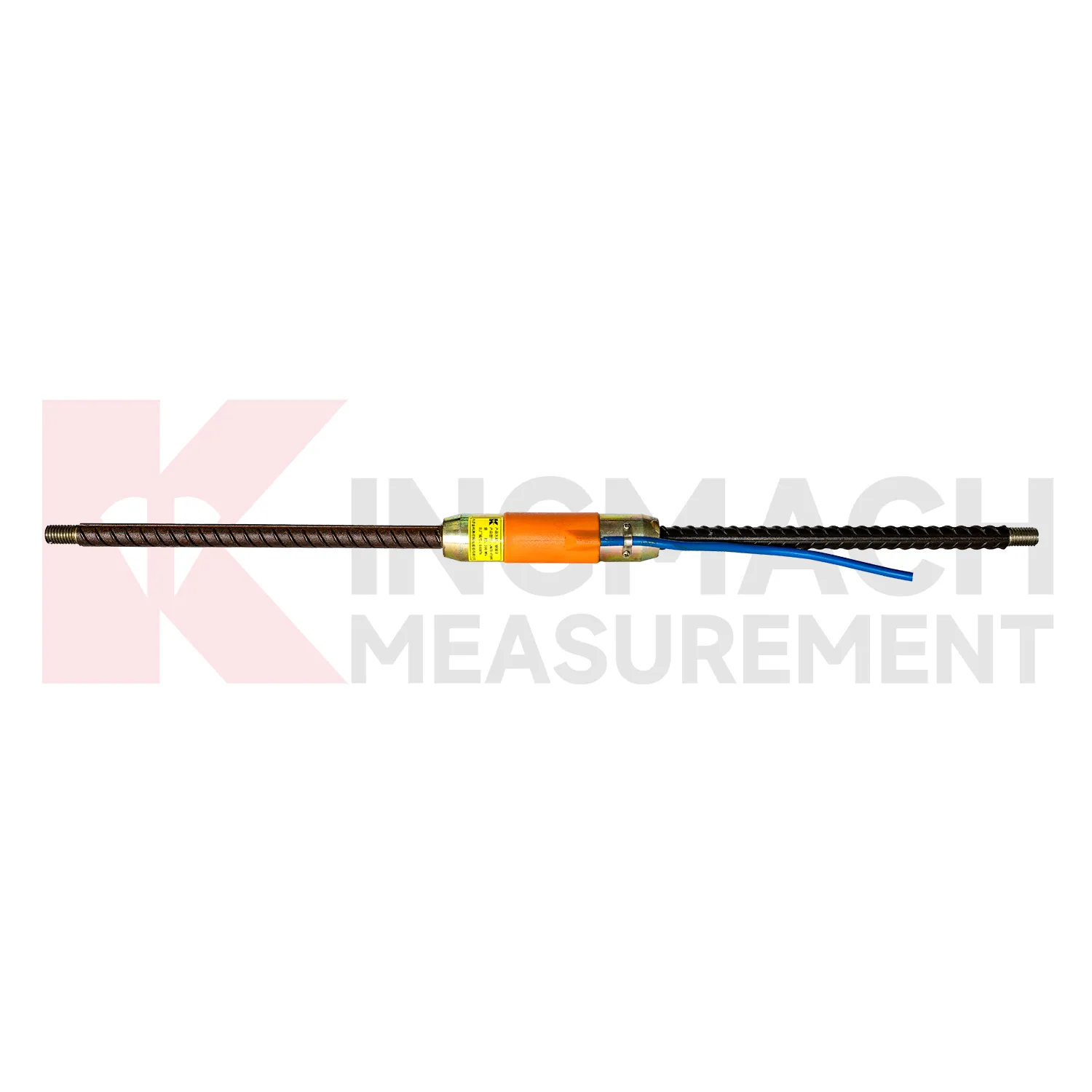
Rebar Strainmeters ( VW & Smart Type) JMZX-4XXHAT/HB
View DetailsFAQ
Vibrating wire type outputs frequency signals, has strong anti-interference, long cable transmission does not affect accuracy, and is suitable for long-term monitoring in the field; resistive type has fast response, small size, and is suitable for dynamic strain measurement, but its long-term stability is not as good as that of vibrating wire type. It is greatly affected by temperature and humidity and requires frequent calibration. If your project is buried in the structure to see the development trend in several years, the vibrating wire type is more practical.
Once the embedded sensor is poured into the concrete, it cannot be taken out and replaced directly. So we will do strict testing before leaving the factory to ensure the sealing and zero point stability. In the actual project, there will be more redundant arrangements during the design, and several more will be installed in the same position. If one of them has a problem, the others can still work. In addition, the sensor cables are led to the surface. If only the cable is damaged, it can be repaired on site without touching the concrete.
No. Our sensor outputs a frequency signal that is compatible with most vibrating wire readers on the market. Common brands such as Jicon and MDA can be used for direct measurement. If your existing equipment can excite the steel string and read the frequency, it can be used. We can also provide a reader, but we will not bundle it.
Welding is the standard installation method. The sensor body is a metal shell, which can withstand short-term high temperatures. The base is first welded to the steel structure separately, and then the sensor is screwed on after cooling. The sensor is not welded directly. There are detailed steps in the operation manual, and there will be no problems if you follow the steps. We can also provide non-welding solutions such as magnetic seats or epoxy bonding.
There is no limit to the minimum order quantity for the standard range, and we can also sell 1 piece. For customized non-standard ranges or special gauge lengths, generally starting from 5 pieces, we will give you confirmation drawings before going into production. The delivery time of customized products is 3-4 weeks, which is slower than standard products, but communication in advance can coordinate the production schedule.
Share your product type, target capacity, and application requirements. Our team can review the details and recommend a practical next step.
If you are interested in our products or want to become our partner.
Please leave your contact information, our team will contact you as soon as possible.
Mail: [email protected]
Contact Us: +8613808434127
Address: No. 188 Tongzipo West Rd, Changsha, Hunan, China