
 EN
EN
 ar
ar bg
bg hr
hr cs
cs da
da nl
nl fi
fi fr
fr de
de el
el hi
hi it
it ko
ko no
no pl
pl pt
pt ro
ro ru
ru es
es sv
sv tl
tl iw
iw id
id lv
lv lt
lt sr
sr sk
sk sl
sl uk
uk vi
vi et
et hu
hu th
th tr
tr fa
fa ms
ms hy
hy ka
ka ur
ur bn
bn mn
mn ta
ta kk
kk uz
uz ku
ku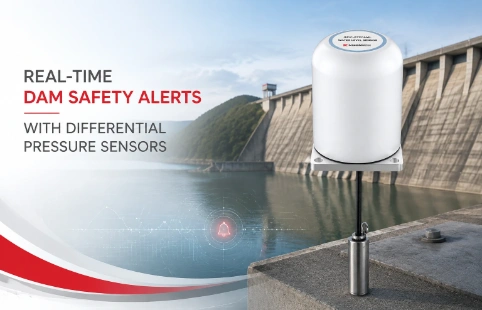
Real-Time Dam Safety Alerts with Differential Pressure Water Level Sensors
Key Takeaways An alert chain needs more than a sensor: define field in...

Multi-function Tester: Simplify Your Geotechnical Monitoring
Field engineers often carry a suitcase full of separate readout units for different sensors—vibrating wire, resistive, MEMS tilt. A multi-function tester changes that. Kingmach builds these testers with the understanding that fewer devices mean faster setup and fewer things to lose on site. The unit combines readout, configuration, and basic diagnostics for the most common geotechnical instruments. Instead of juggling three handhelds, you connect one. It’s a practical upgrade that grows out of real job site feedback, not a product manager’s checklist. The interface is simple enough that new crew members pick it up quickly, but it still gives the raw data veterans need to spot a sensor drifting before it becomes a false alarm.
Technical Detail
Kingmach designs its multi-function tester around the reality of construction and monitoring sites: mixed sensor types, tight schedules, and limited space. The device handles vibrating wire, resistive strain gauge, 4-20 mA, and MEMS tilt sensors out of the box. That covers most inclinometers, settlement cells, load cells, and piezometers found in typical projects. Switching between sensor types doesn’t require separate modules; the firmware auto-detects the connected sensor class in many cases, though you can override manually when needed. The display shows direct engineering units where possible—kPa, mm, degrees—so you don’t waste time converting raw digits in a notebook. Readings are stored by project name or borehole number, with time stamps. The export function transfers data via USB-C to a laptop or tablet without proprietary drivers. Battery life runs a full working day on a single charge, and the field-swappable pack means you can carry a spare instead of hunting for a power outlet. The housing resists dust and light rain (IP65), so it survives in a truck cab or a trench box. Kingmach offers this tester with standard connectors and pinouts matching most major sensor brands; for projects using custom transducers, the company can pre-configure channel settings before shipment. Support engineers provide direct assistance for first-time setup, and the manual includes step-by-step examples for common configurations like zero-taring a load cell or setting a tiltmeter’s reference angle. This isn’t a laboratory-grade data acquisition system—for that, you’d use a datalogger. But for site verification, sensor health checks, and quick periodic surveys, it fills the gap without weighing down the tool bag.
News
Key Takeaways An alert chain needs more than a sensor: define field in...
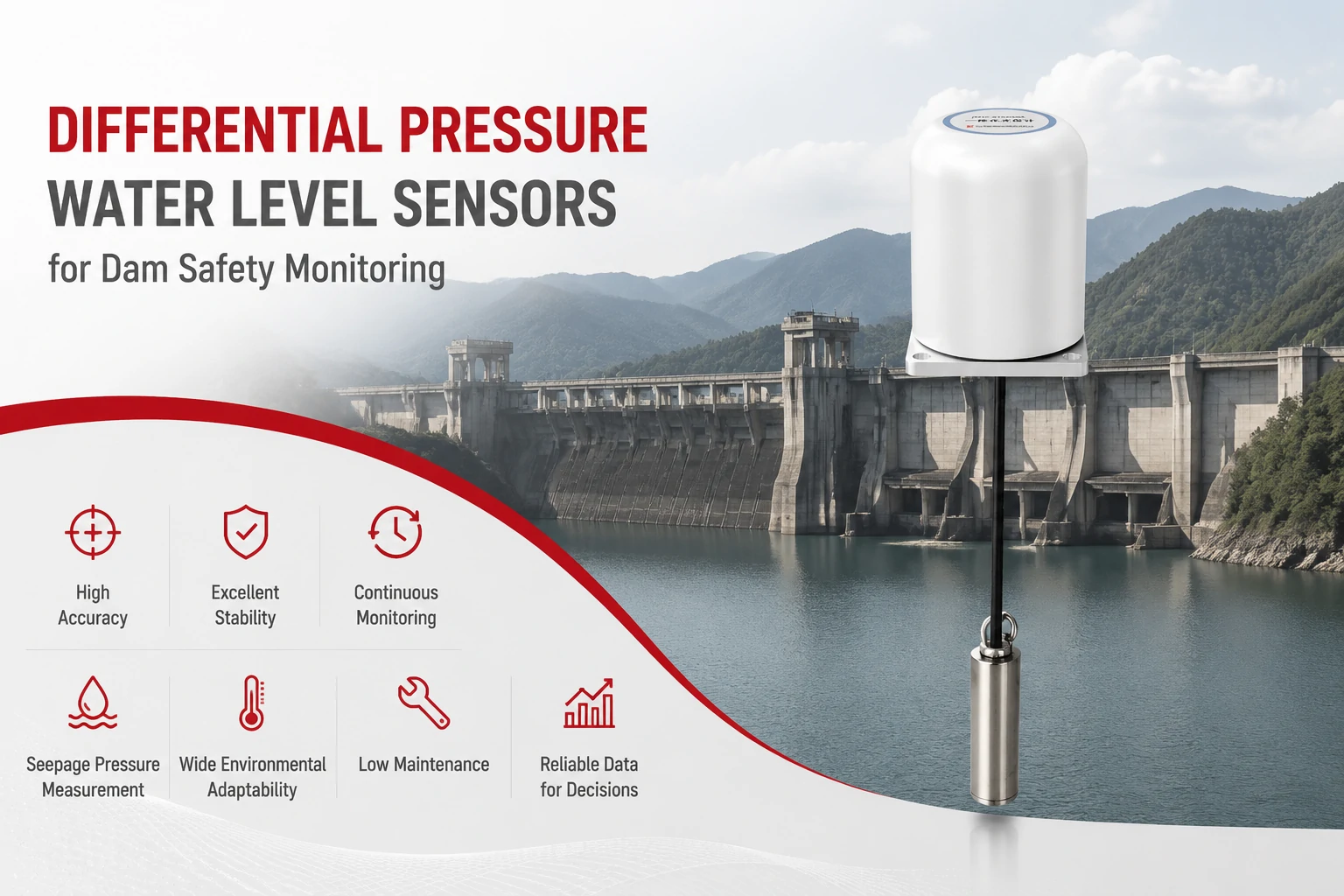
Key Takeaways The strongest fit is usually a confined, submerged, or s...
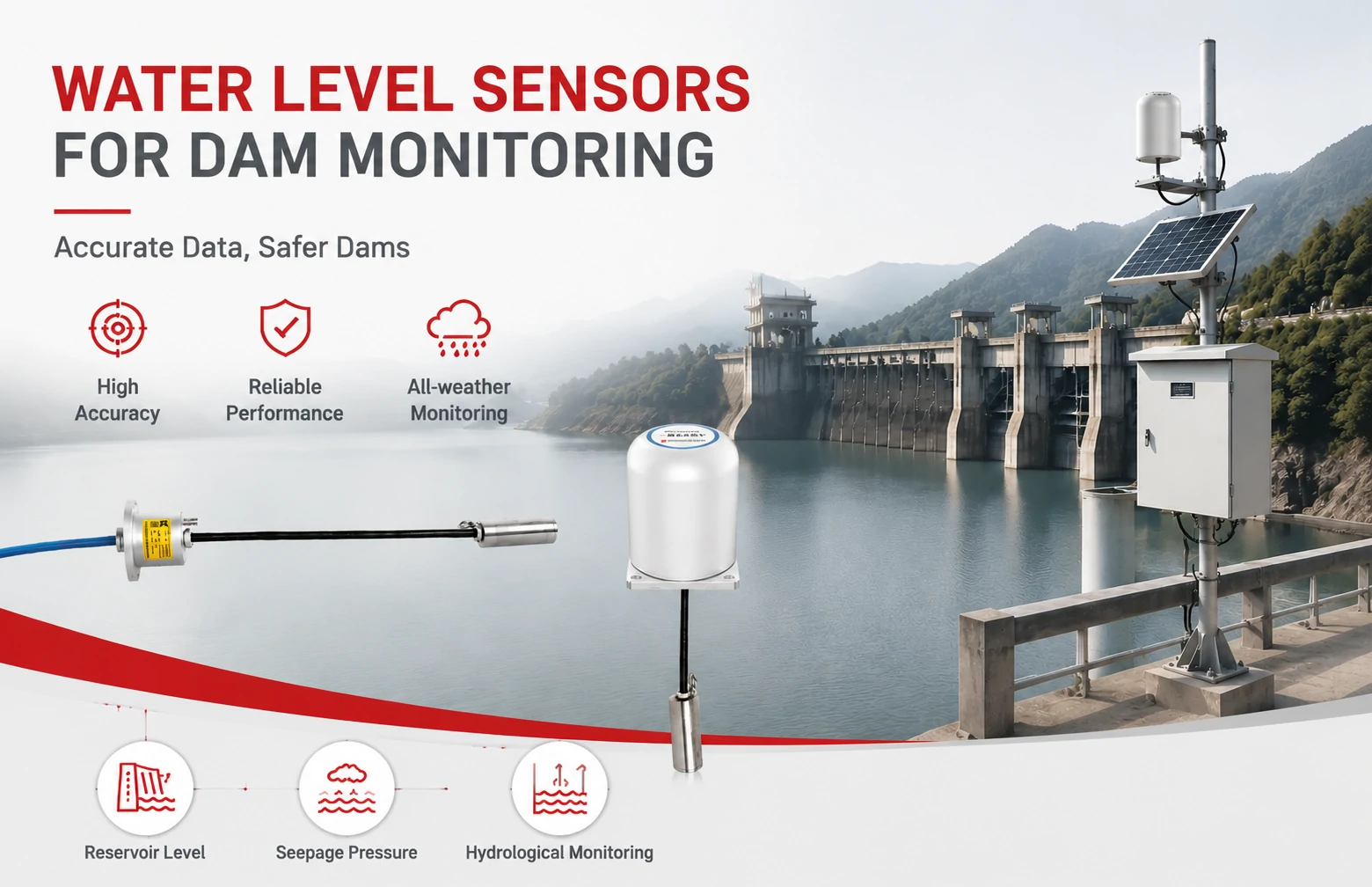
Kingmach Water Level Sensors for Dam Monitoring: A Buyer's Guide to Differential Pre...
Products
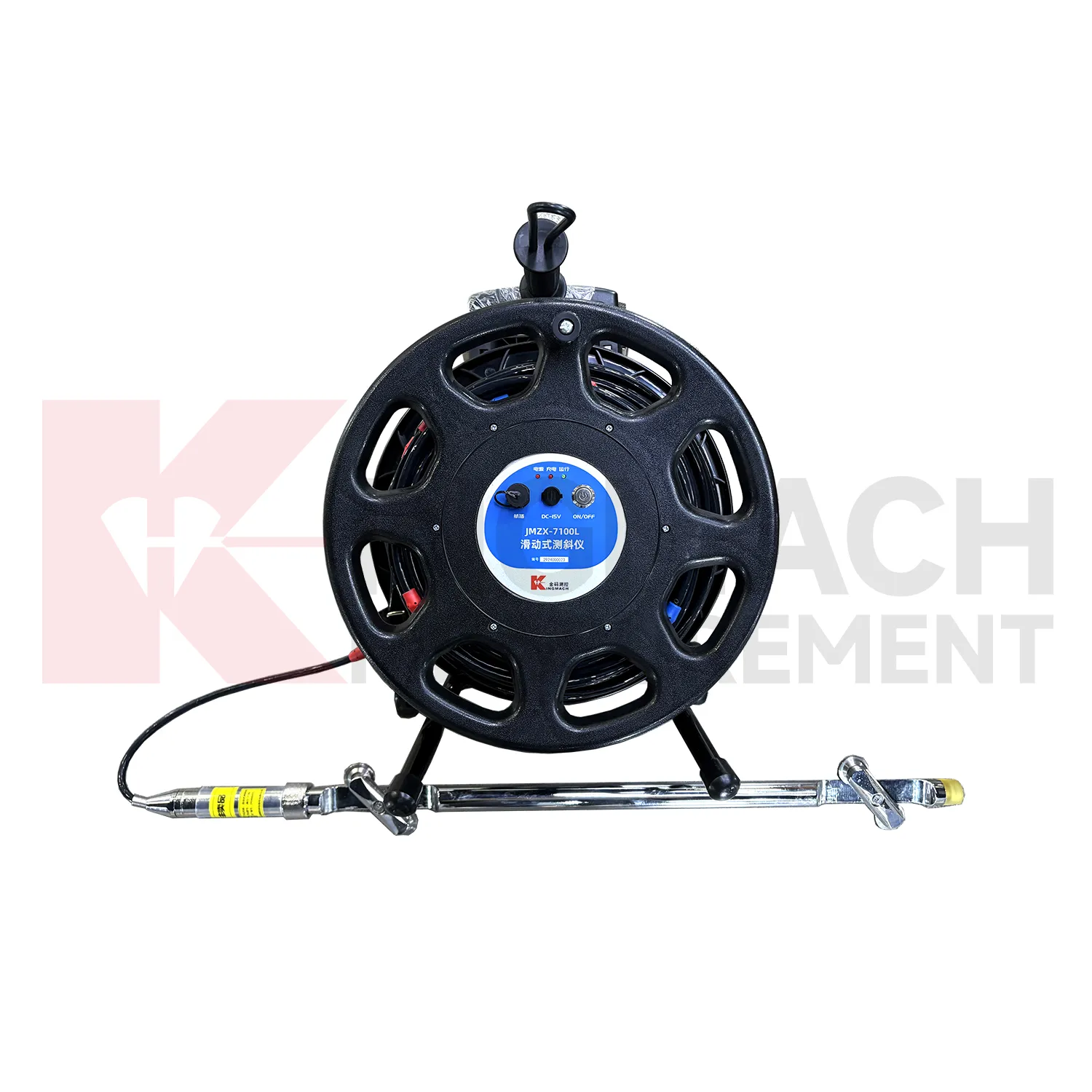
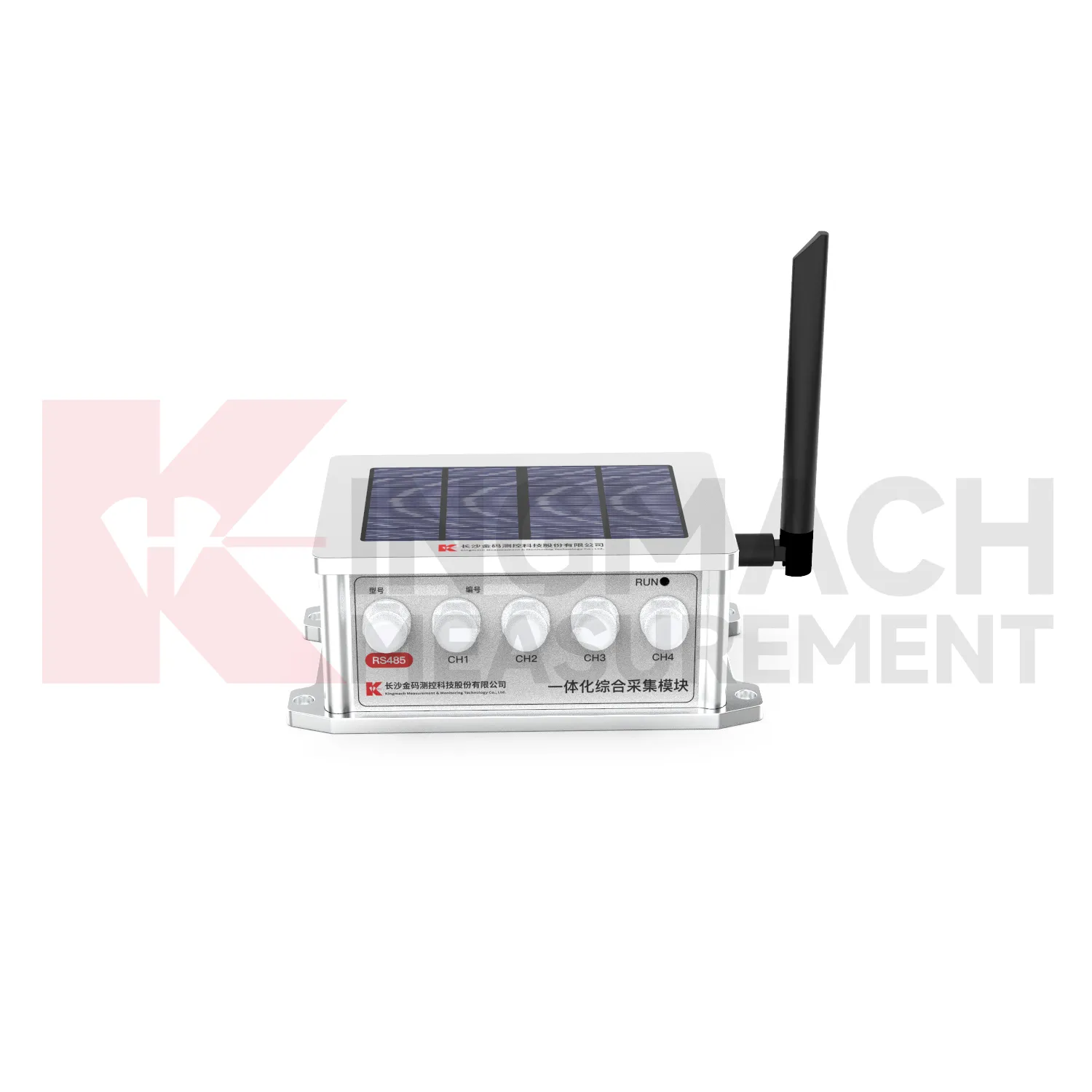
Integrated Comprehensive Acquisition Module JMZX-4/8GH-RTU
View Details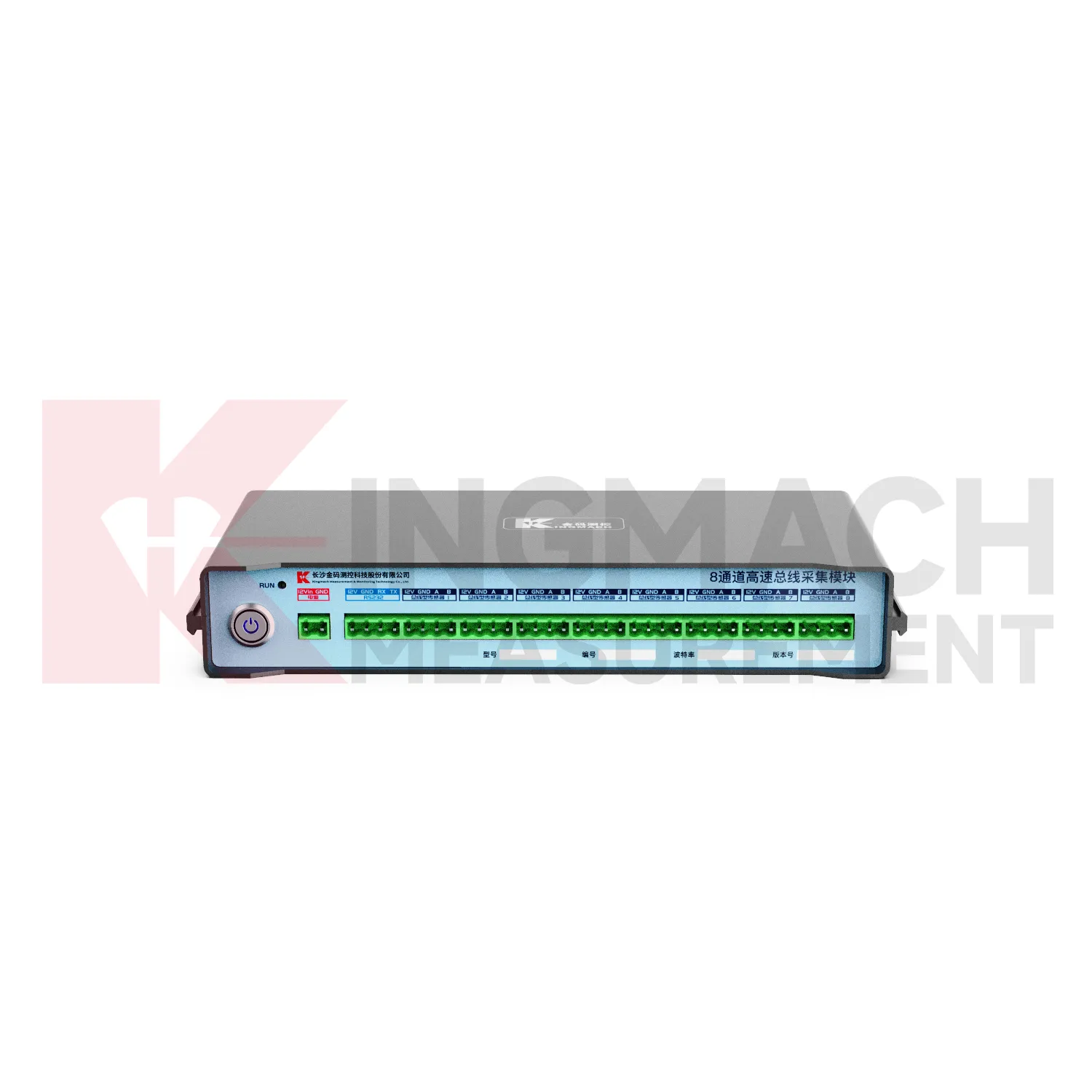
8-channel high-speed bus acquisition module JMJK-8DH
View DetailsFAQ
It reads vibrating wire, resistive strain gauge (full/half bridge), 4-20 mA current loops, and MEMS tilt sensors natively. The auto-detect mode usually identifies the sensor class on connection, but you can manually select the type if needed. For less common transducers, our support team can help set up a custom channel definition before delivery.
It’s not designed for unattended logging. Think of it as a portable readout and configuration tool. You use it to spot-check installations, zero instruments after concrete pours, or verify readings from automated loggers. For continuous monitoring, you’d pair it with a dedicated datalogger system.
Readings are stored internally by project name or borehole number. You connect a laptop or tablet via USB-C and the device appears as a standard external drive—no special software needed. Data exports as CSV files with timestamps, sensor IDs, and engineering units. If your workflow needs a different format, we can usually adapt the firmware configuration.
The tester ships with standard connectors for common sensor brands. If your sensors use a different pinout, Kingmach can pre-wire the port mapping at the factory. Just send us the sensor datasheet when you order; there’s no extra charge for this configuration work. Field-adjustable settings are still accessible through the menu if you need to swap sensors later.
Most field crews get comfortable in about 30 minutes. The screen prompts guide you through connecting a sensor, selecting the right type, and taking a reading. We include a printed quick-start card with each unit that covers the four most common sensor setups. For companies that want group training, our support engineers can do a video call with your team.
Share your product type, target capacity, and application requirements. Our team can review the details and recommend a practical next step.
If you are interested in our products or want to become our partner.
Please leave your contact information, our team will contact you as soon as possible.
Mail: [email protected]
Contact Us: +8613808434127
Address: No. 188 Tongzipo West Rd, Changsha, Hunan, China