
 EN
EN
 ar
ar bg
bg hr
hr cs
cs da
da nl
nl fi
fi fr
fr de
de el
el hi
hi it
it ko
ko no
no pl
pl pt
pt ro
ro ru
ru es
es sv
sv tl
tl iw
iw id
id lv
lv lt
lt sr
sr sk
sk sl
sl uk
uk vi
vi et
et hu
hu th
th tr
tr fa
fa ms
ms hy
hy ka
ka ur
ur bn
bn mn
mn ta
ta kk
kk uz
uz ku
ku
Real-Time Dam Safety Alerts with Differential Pressure Water Level Sensors
Key Takeaways An alert chain needs more than a sensor: define field in...

Highprecision Temperature Acquisition Module
Digging into ground temperatures or tracking concrete curing calls for measurements you can count on. A jump of half a degree might not sound like much, but in geotechnical monitoring, it can disguise a problem or trigger a false alarm. Kingmach’s highprecision temperature acquisition module is built for this quiet, critical job. It’s not trying to outsmart you with flashy features. Instead, it focuses on clean signal conditioning, stable cold junction compensation, and low noise — the stuff that keeps readings from drifting between morning and night. Whether the module sits in a borehole chain or a control cabinet, its job is the same: grab thermocouple or RTD signals and hand them over faithfully. Kingmach has been around long enough to know that reliability isn’t about specs on paper; it’s about repeatable performance in real field conditions. Their technical team stands behind the hardware, and they’ll walk you through setup, recalibration, or custom tweaks if your project travels off the beaten path. For an instrument that rarely gets a second thought when it’s working right, a solid temperature acquisition module can save a lot of second-guessing.
Technical Detail
Kingmach’s highprecision temperature acquisition module handles thermocouple types K, J, T, E, N, R, S, B, and 3-wire RTDs like PT100. Each channel uses a 24-bit sigma-delta ADC, which means it can resolve temperature changes well below 0.1°C under reasonable conditions. Measured accuracy typically falls within ±0.1°C for thermocouples and ±0.05°C for RTDs after cold junction compensation, provided the wiring follows standard practices. The module communicates over isolated RS-485 with Modbus RTU protocol. This makes integration straightforward with a PLC, data logger, or SCADA node without extra converters. Power comes from a 10–30 V DC supply, and the operating temperature range stretches from -40 to 85°C — wide enough for outdoor enclosures and unheated field shelters. Channel count starts at four, and Kingmach can scale that up to 16 or more on request. Inputs are individually configurable through software, so you’re not stuck mixing sensor types on one card unless you want to. Software filtering and averaging are built in; you can tweak the update rate from a few milliseconds per channel to several seconds to match your noise environment. Besides the standard unit, customization extends to things like high common-mode voltage protection, extended isolation ratings, or special mounting brackets for DIN rail or panel. Kingmach’s global network means you’ll usually find a local distributor who stocks spares and can help with commissioning. After the sale, technical support remains available to assist with troubleshooting, firmware updates, or field recalibration. The documentation is thorough, and they’ll even share example wiring diagrams and Modbus map files for your specific logger or controller if you ask. In the end, the module isn’t the star of a monitoring setup — but it is the piece that keeps raw temperature data honest, channel by channel.
News
Key Takeaways An alert chain needs more than a sensor: define field in...
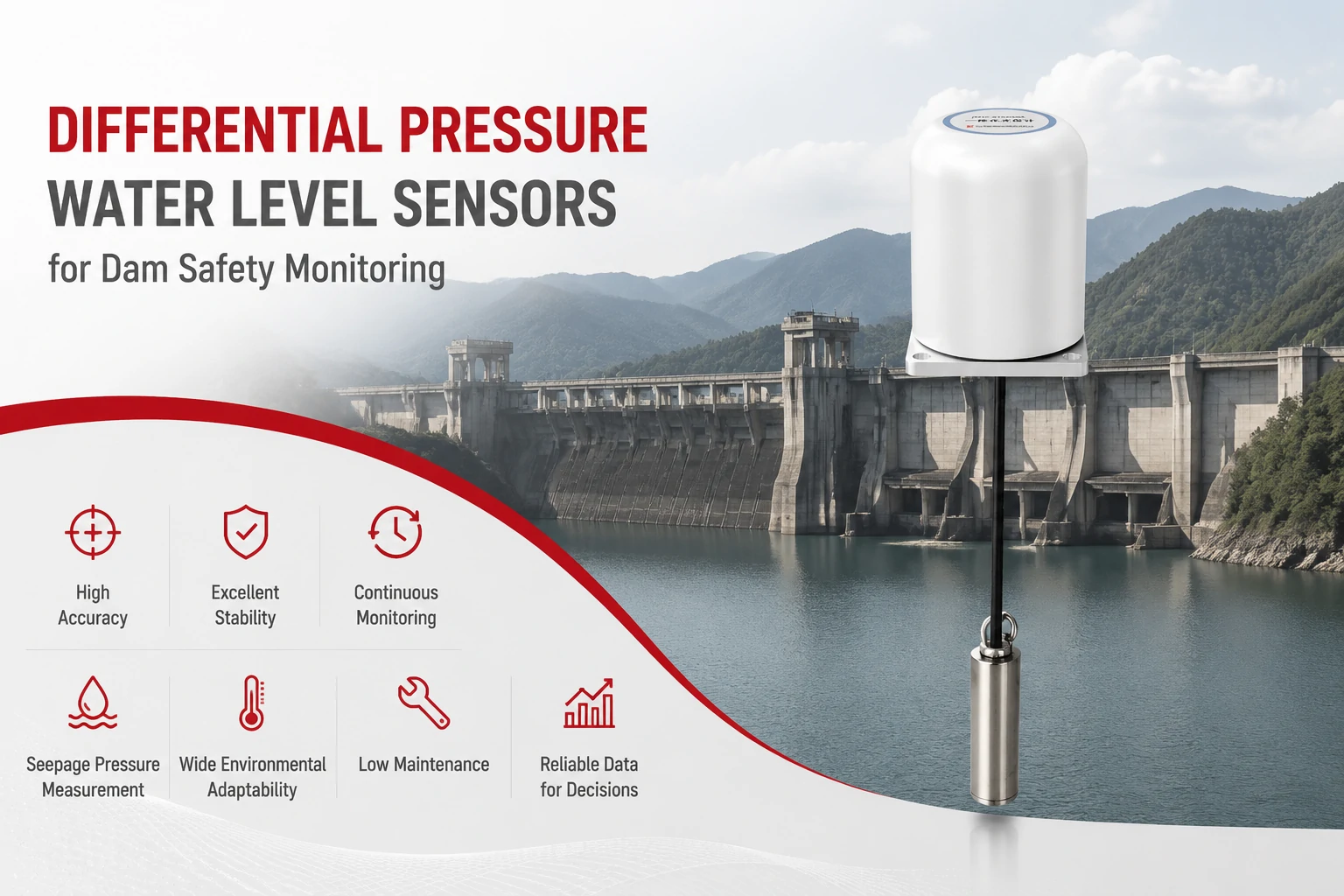
Key Takeaways The strongest fit is usually a confined, submerged, or s...
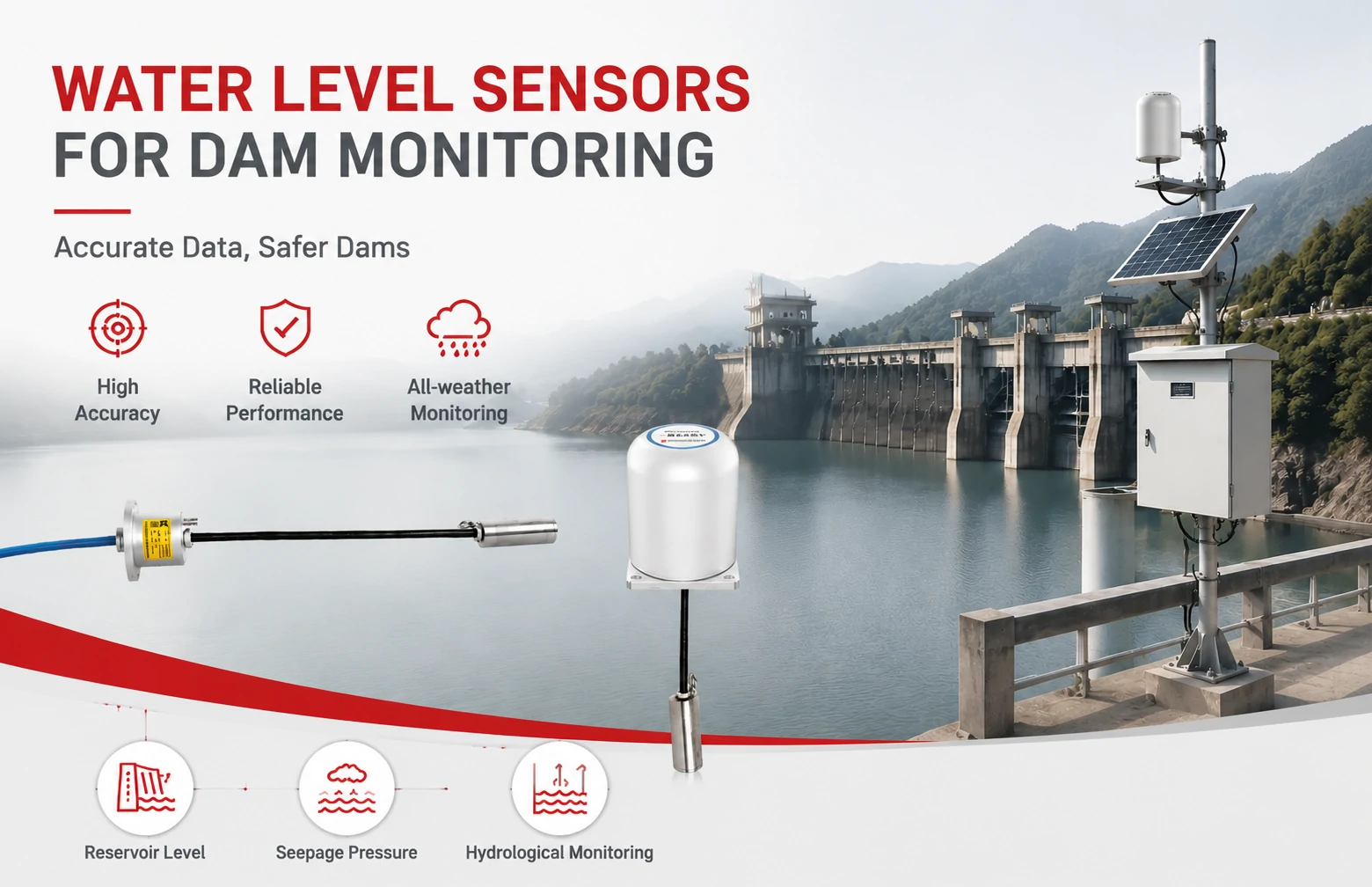
Kingmach Water Level Sensors for Dam Monitoring: A Buyer's Guide to Differential Pre...
Products
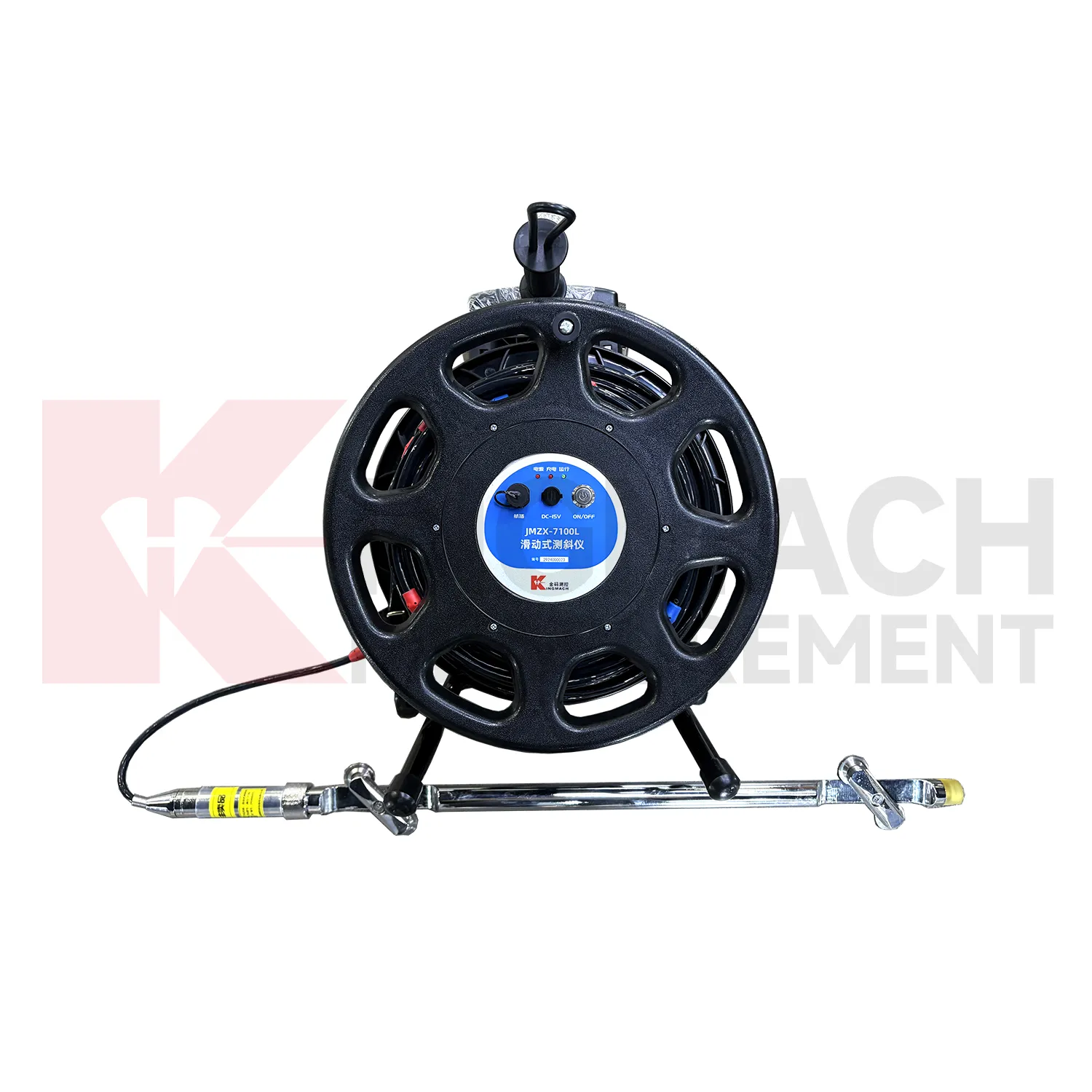
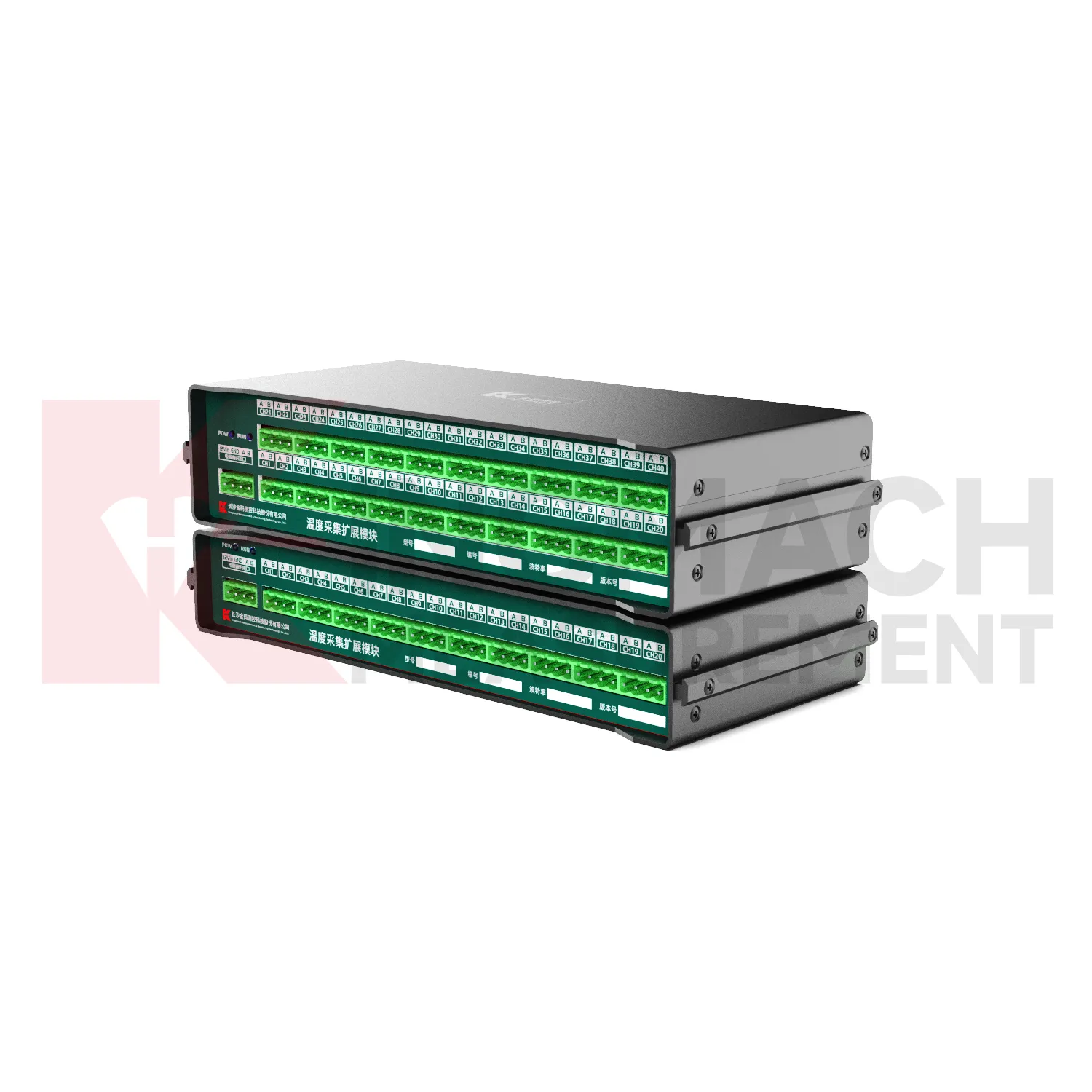
Temperature Acquisition Expansion Module JMWT-XXRTH
View Details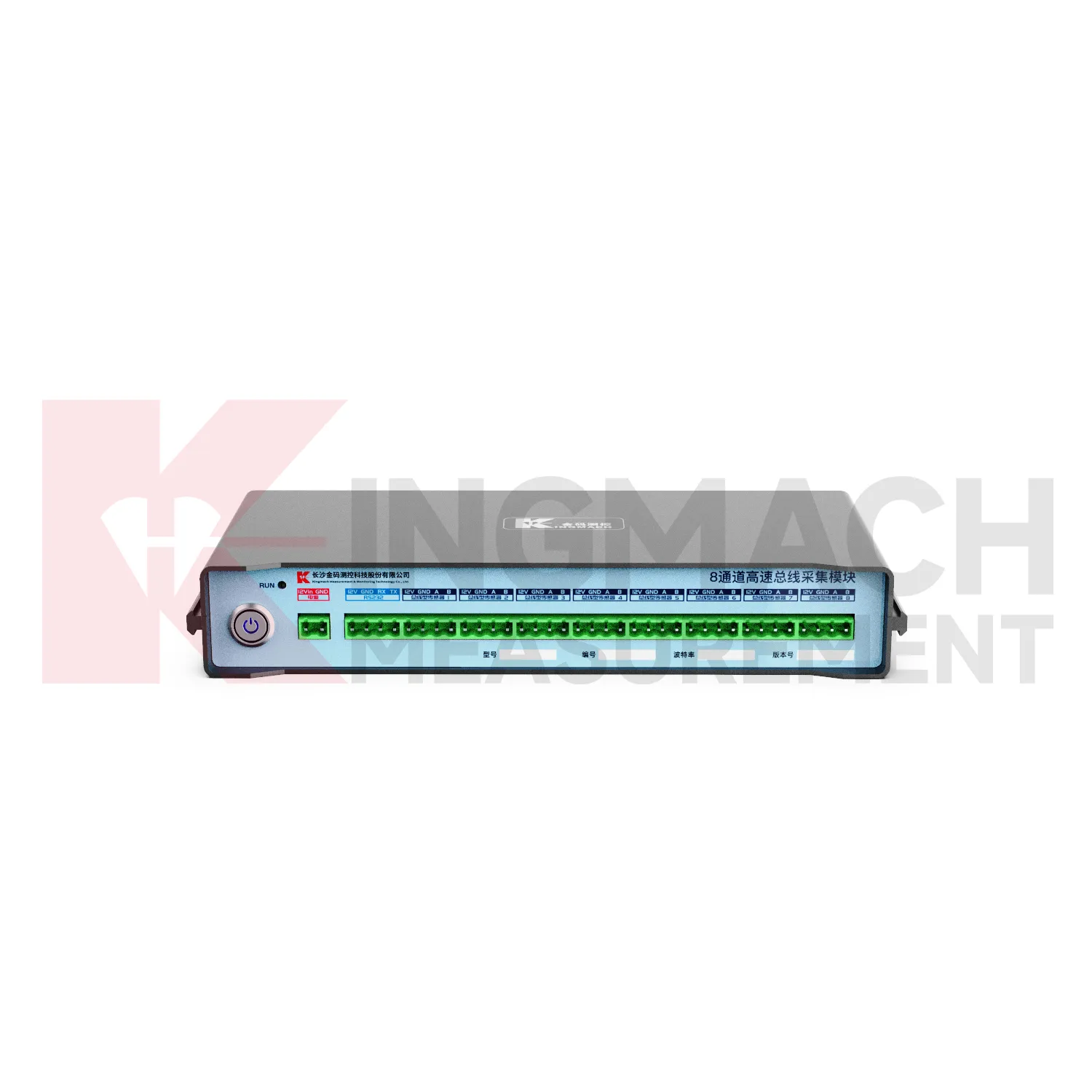
8-channel high-speed bus acquisition module JMJK-8DH
View DetailsFAQ
It handles most thermocouples (K, J, T, E, N, R, S, B) and 3-wire PT100 RTDs. You mix sensor types across channels, and each input gets configured through software separately.
Lab accuracy is one thing, but in the field, typical results stay within ±0.1°C for thermocouples and ±0.05°C for RTDs when cold junction compensation is handled properly. Wiring quality and sensor placement matter, but the module does its part to minimize drift and noise.
Yes. Standard units start at four channels, but Kingmach can expand to 16 or even higher on request. They also offer custom enclosures, special mounting brackets, and different isolation ratings if your project calls for it.
It talks Modbus RTU over isolated RS-485. So if your data logger or PLC speaks Modbus, you just need to match baud rate and ID. Kingmach can provide the register map for your specific device to speed things up.
Kingmach’s technical team can guide you through setup, help with custom configurations, and offer after-sales help through local distributors. They also provide documentation and example wiring diagrams tailored to your monitoring system.
Share your product type, target capacity, and application requirements. Our team can review the details and recommend a practical next step.
If you are interested in our products or want to become our partner.
Please leave your contact information, our team will contact you as soon as possible.
Mail: [email protected]
Contact Us: +8613808434127
Address: No. 188 Tongzipo West Rd, Changsha, Hunan, China