
 EN
 ar
 bg
 hr
 cs
 da
 nl
 fi
 fr
 de
 el
 hi
 it
 ko
 no
 pl
 pt
 ro
 ru
 es
 sv
 tl
 iw
 id
 lv
 lt
 sr
 sk
 sl
 uk
 vi
 et
 hu
 th
 tr
 fa
 ms
 hy
 ka
 ur
 bn
 mn
 ta
 kk
 uz
 ku

wireless weather station data logger
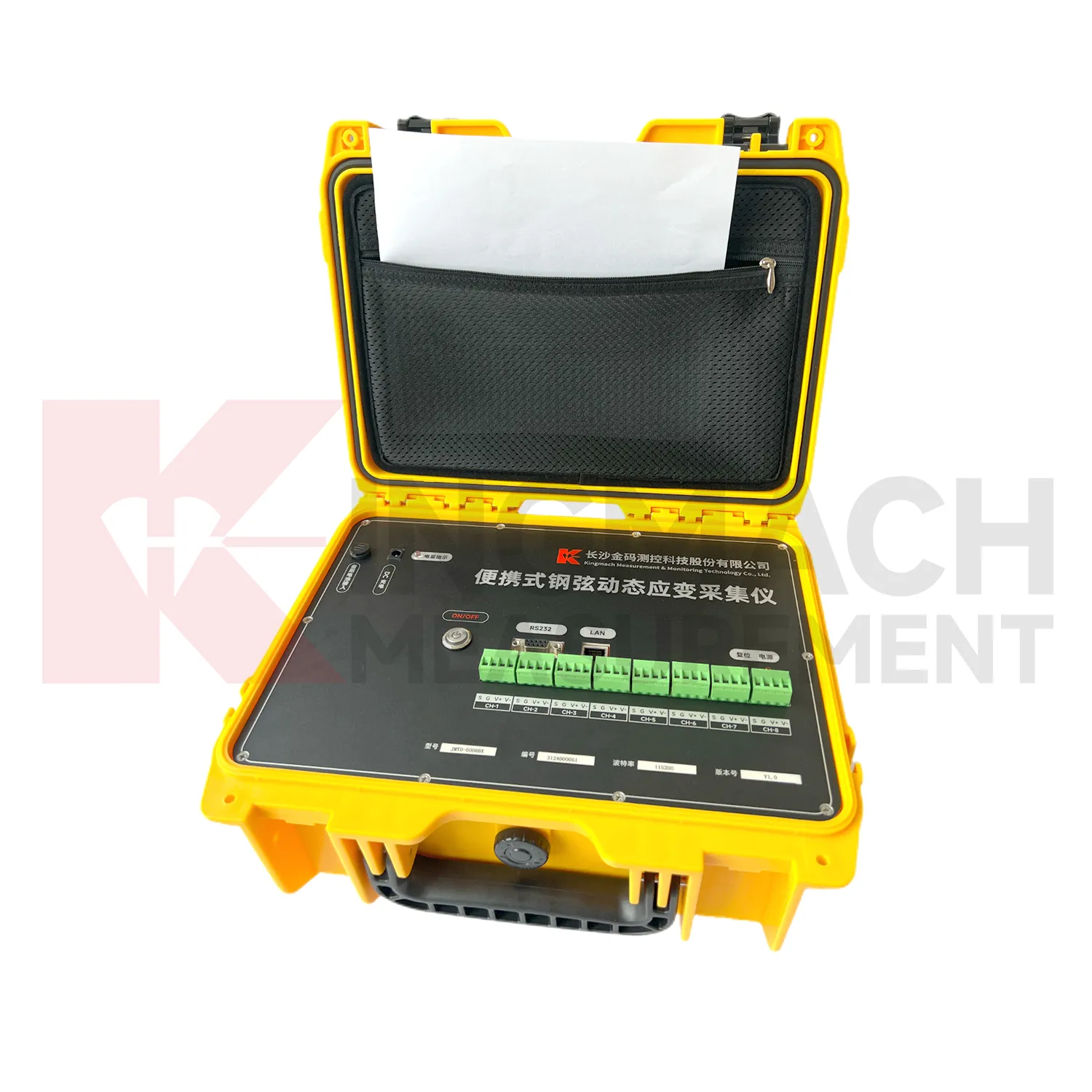
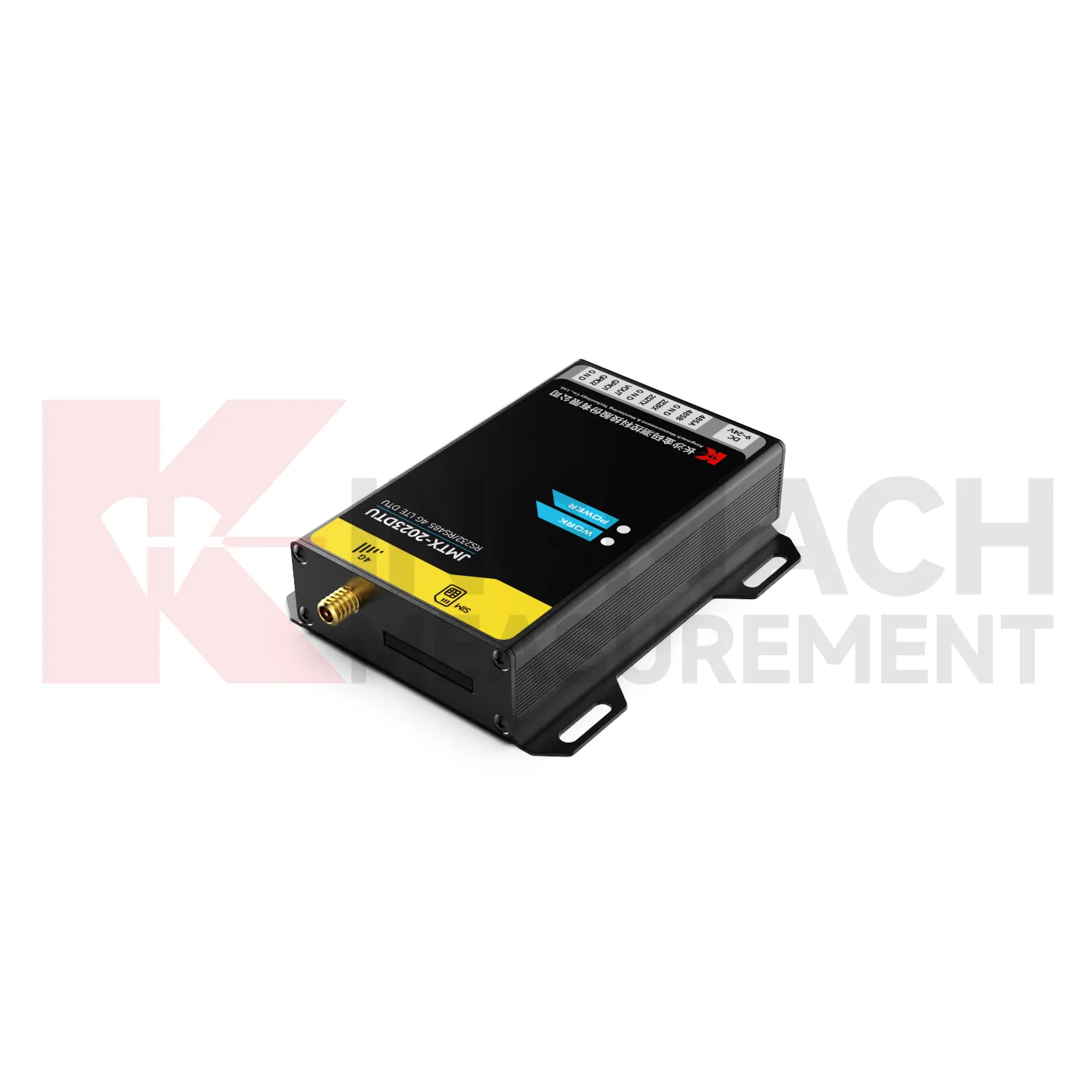
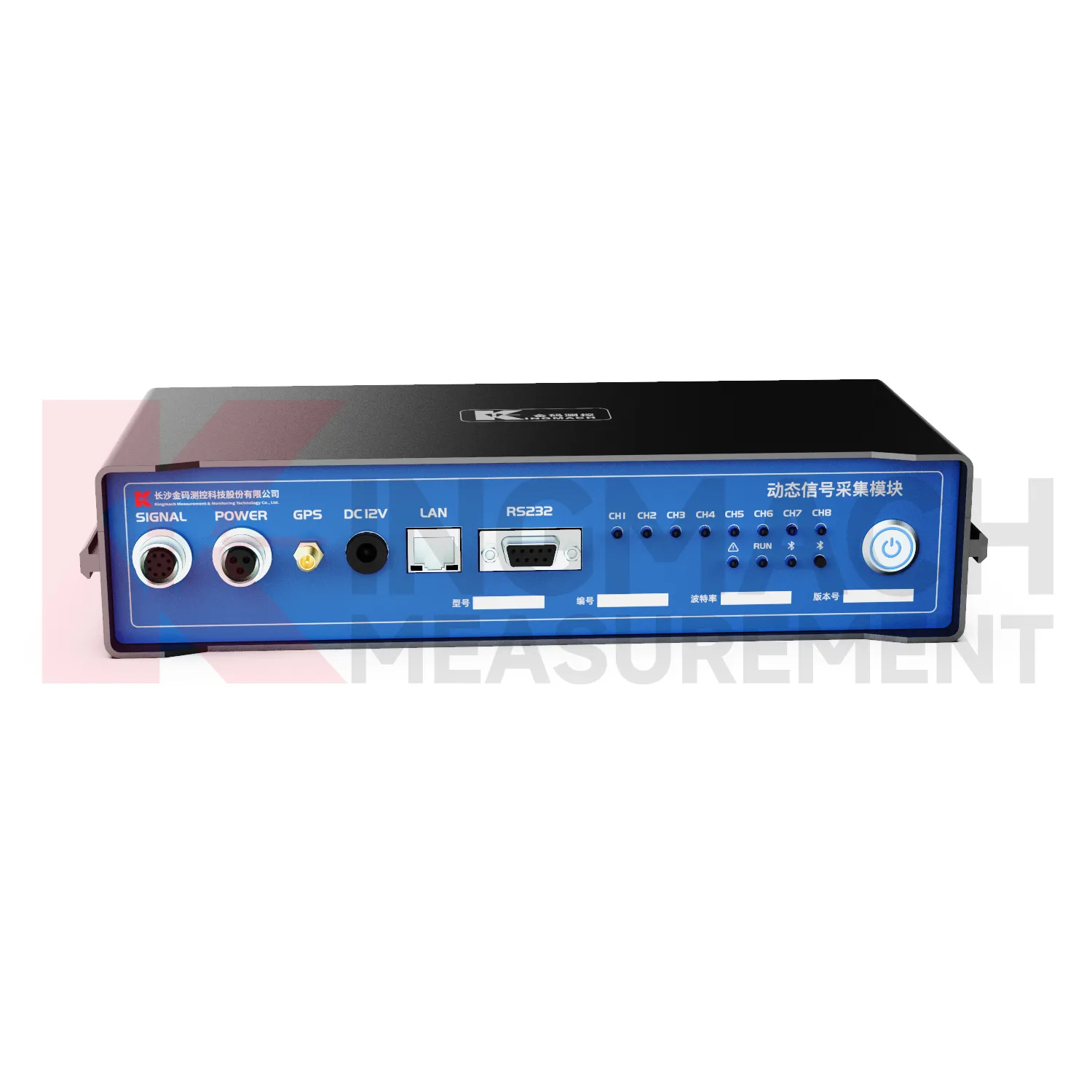
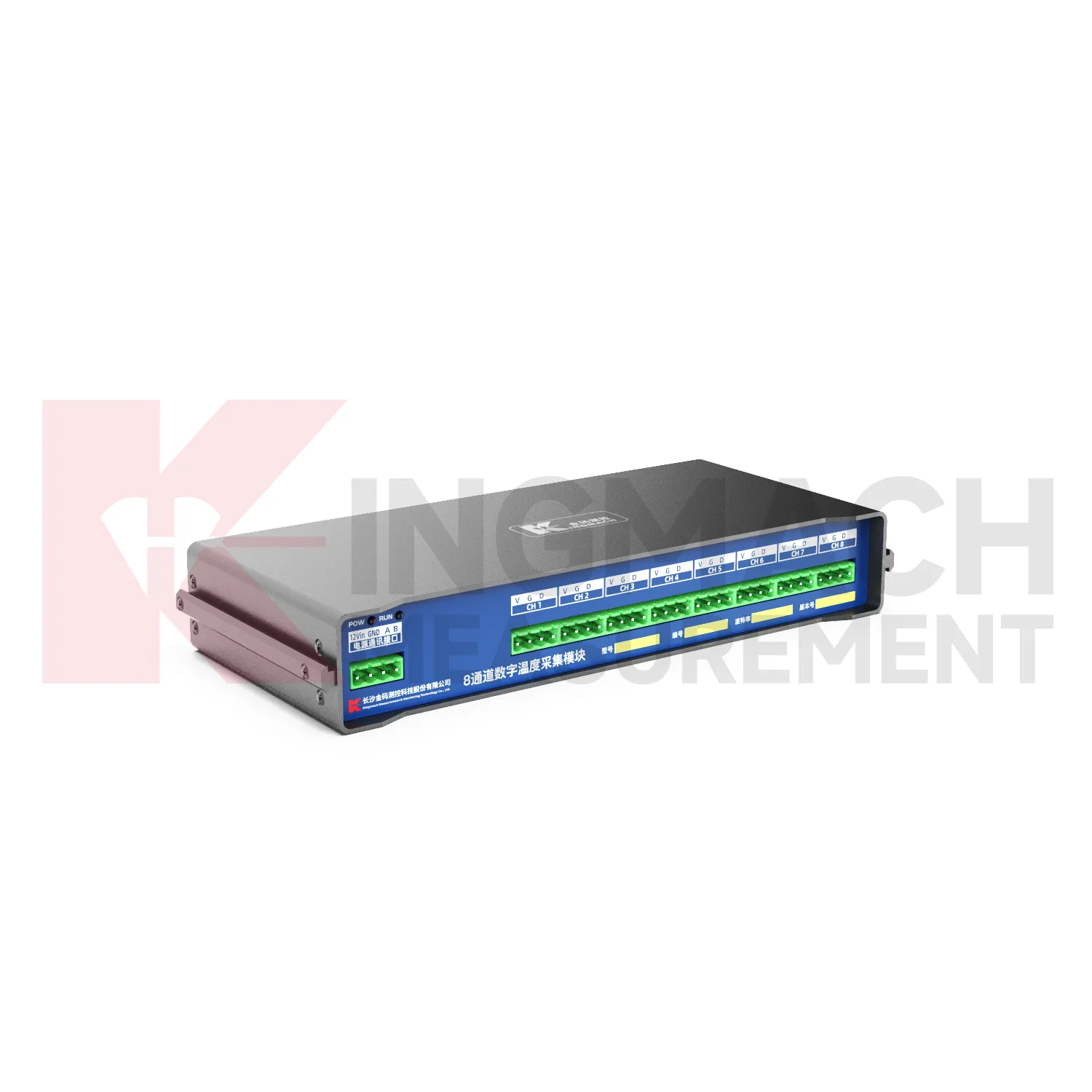
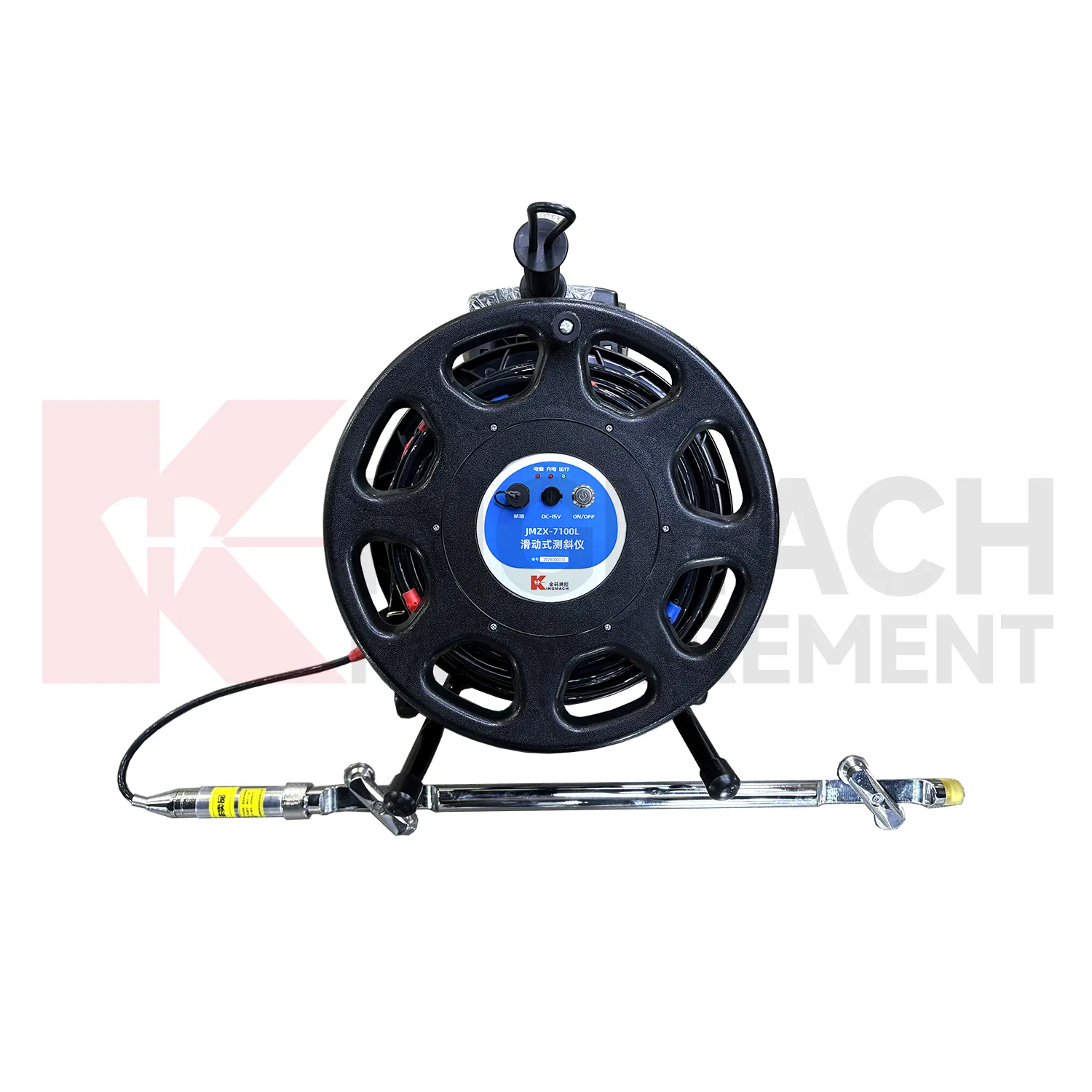
Kingmach wireless weather station data logger help project teams balance portability, automation, and data quality. Portable instruments are easy to carry and useful for spot measurement, sensor commissioning, and temporary tests. Fixed or wireless data loggers are better for routine acquisition, unattended stations, and remote monitoring. Dynamic signal acquisition equipment is needed when the event is short or the waveform must be reviewed. The buyer should not select the device only by channel count. The better question is how the data will be collected, checked, transmitted, stored, and used by the engineer or owner. That workflow determines whether the acquisition record remains useful after installation. Portability helps field crews move quickly, but automation protects continuity when nobody is on site. High-speed capture helps short events, while scheduled logging supports slow movement and environmental change. Matching these roles prevents overbuilding a simple inspection route or under-equipping a safety station that requires continuous review. The result is a more disciplined purchase and a cleaner field workflow. Teams can select a handheld readout for verification, a wireless logger for remote duty, or dynamic acquisition for event behavior without mixing their roles. This keeps the acquisition plan aligned with field access, risk level, and reporting requirements. over time.
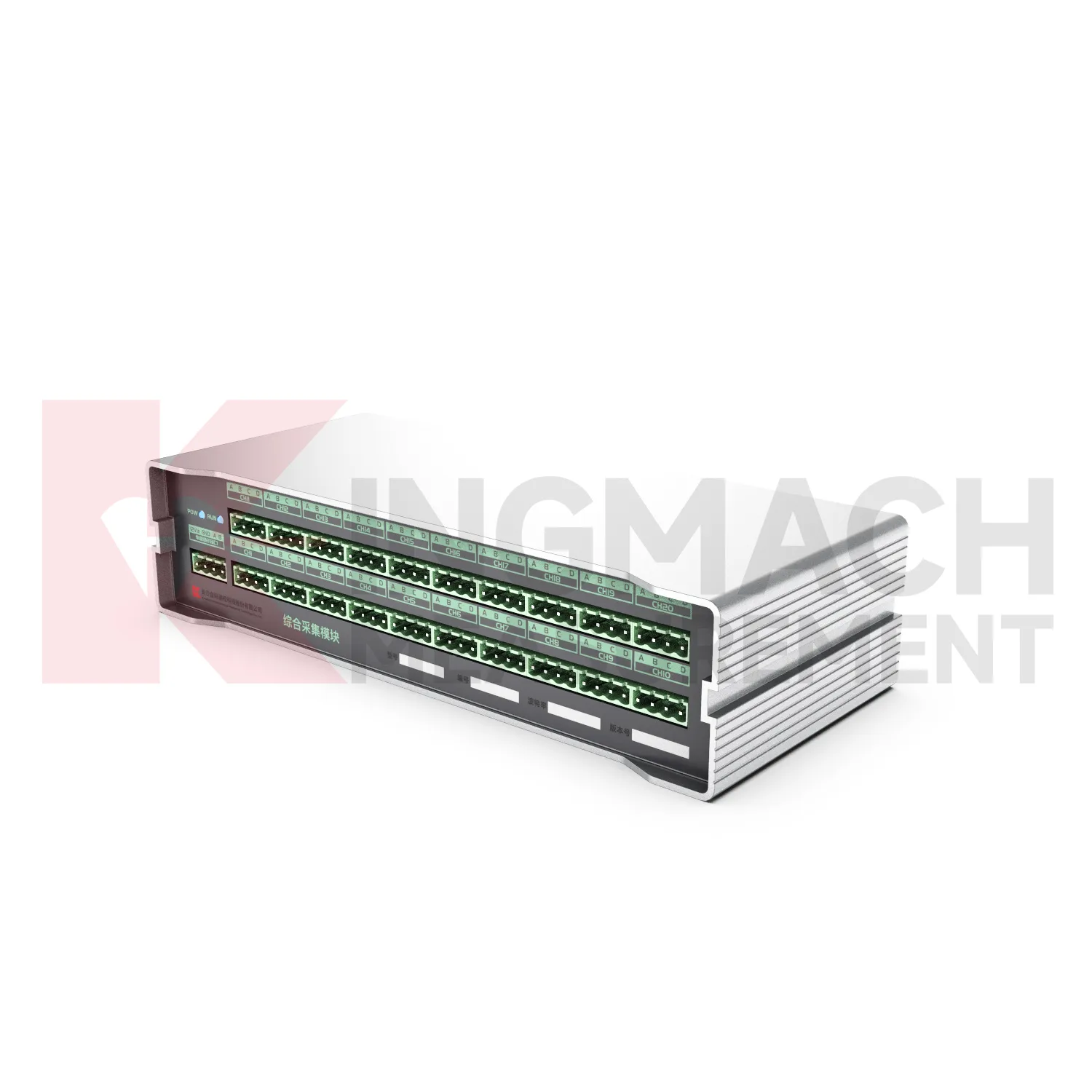
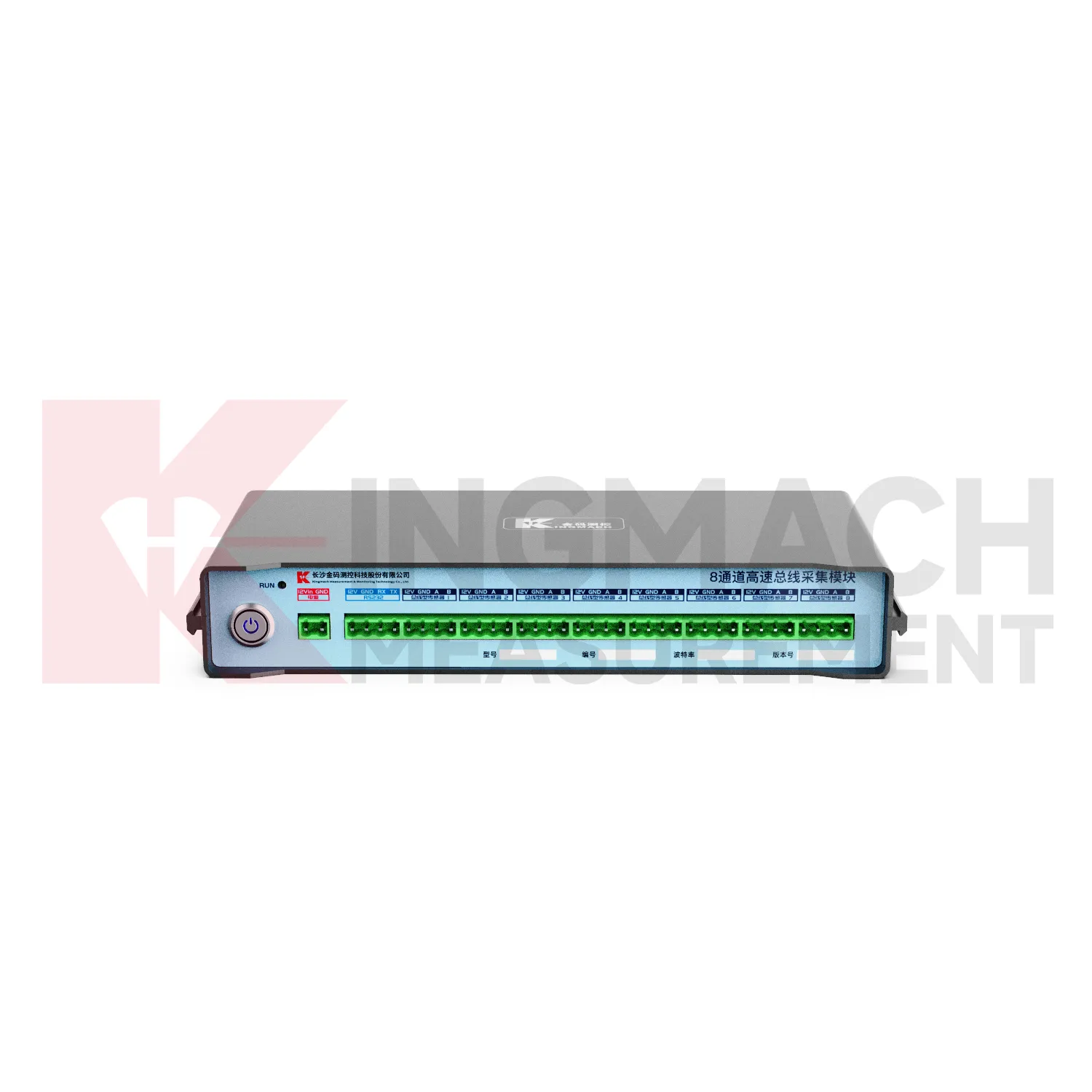
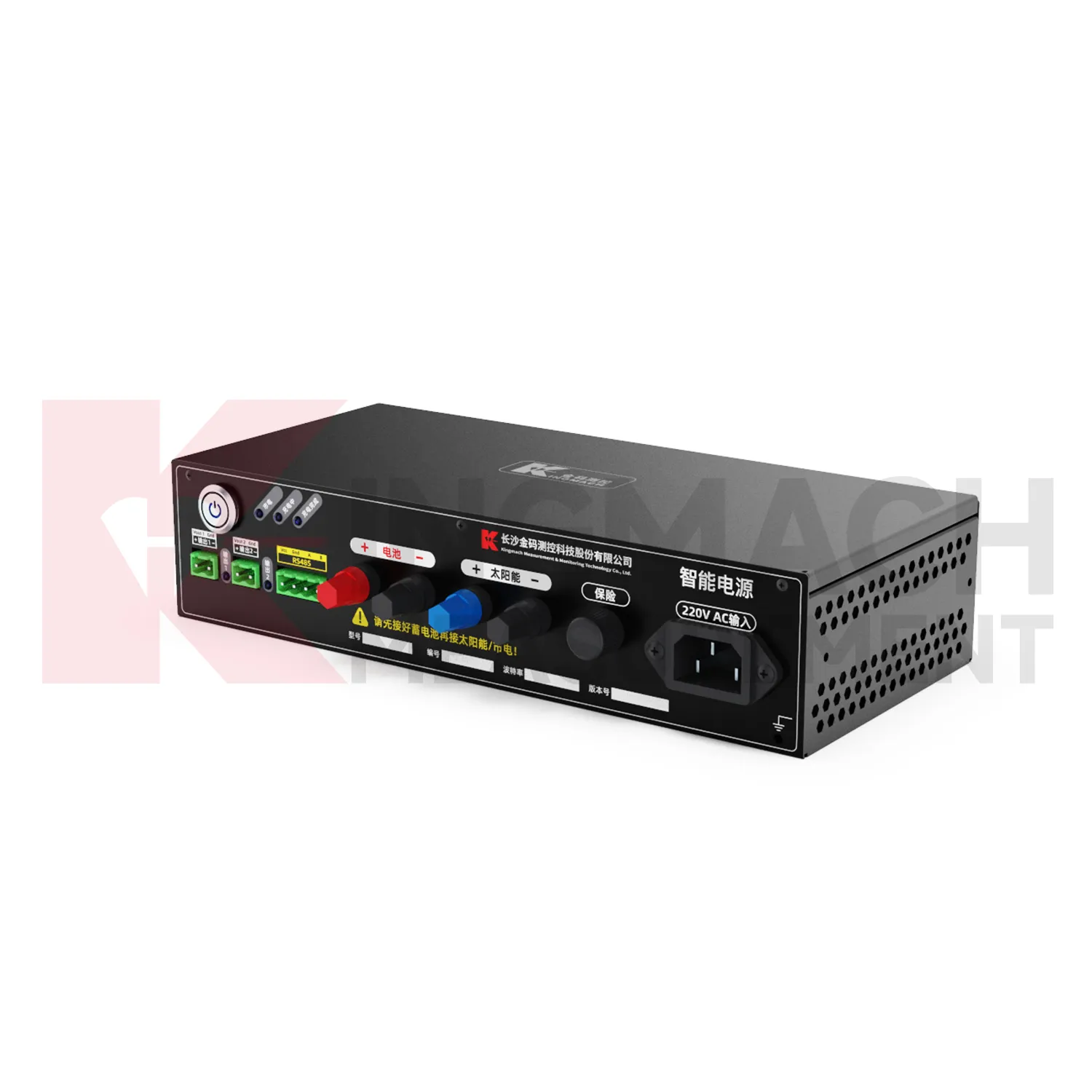
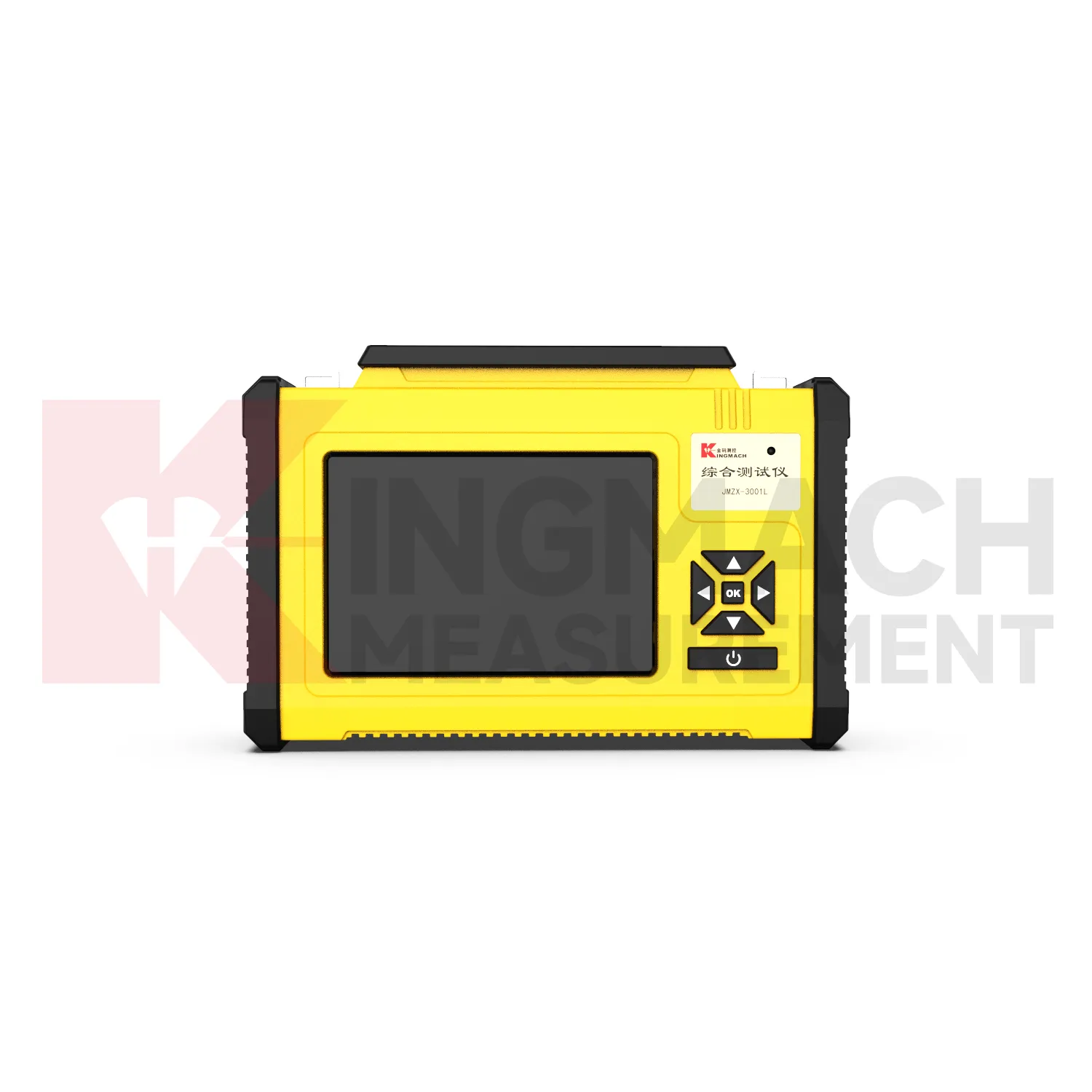
Application of wireless weather station data logger
Railway, subway, and transportation projects use Kingmach wireless weather station data logger to capture sensor readings during dynamic loading, construction disturbance, and long-term operation. Portable acquisition instruments can be used for vibration or strain events during train passage, while fixed loggers can record settlement, displacement, tilt, or environmental changes along monitored sections. The device should support clear channel naming because many points may be installed along a line, tunnel, bridge, or station box. Timing is also important: event records need enough resolution to connect the measured response with traffic or construction activity. A disciplined acquisition workflow helps owners compare repeated events instead of treating each reading as isolated. Transport monitoring often depends on matching measurement time with operating schedules. A train passage, platform work, nearby excavation, or maintenance closure can explain a short response that would be confusing in a monthly trend alone. The acquisition record should therefore keep route section, structure name, event time, sensor group, and operating note together. This helps engineers compare repeated passages and identify changes that deserve field inspection. For subway and railway assets, this is useful when night work, train intervals, tunnel ventilation, and station activity change the background condition around the sensors. during later technical review. safely.
The future of wireless weather station data logger
Future Kingmach wireless weather station data logger will support higher-quality event records for dynamic monitoring. Bridges, buildings, railway lines, tunnels, machinery foundations, and construction sites may need synchronized channels and clear event timing. Dynamic acquisition will become more useful when the waveform is stored with event name, channel identity, trigger condition, and related site activity. This allows reviewers to compare traffic, blasting, wind, machinery start-up, or impact events with the measured response. The next step is not simply faster acquisition; it is better event context. Future event records can also separate raw waveform storage from reviewed event summaries. Engineers may keep the full file for analysis while owners need a concise record of trigger time, sensor group, event source, and response level. That structure will make repeated events easier to compare without losing the original measurement. This is especially useful for railway passage, blasting review, machinery diagnosis, and bridge vibration testing. later. during review.
Care & Maintenance of wireless weather station data logger
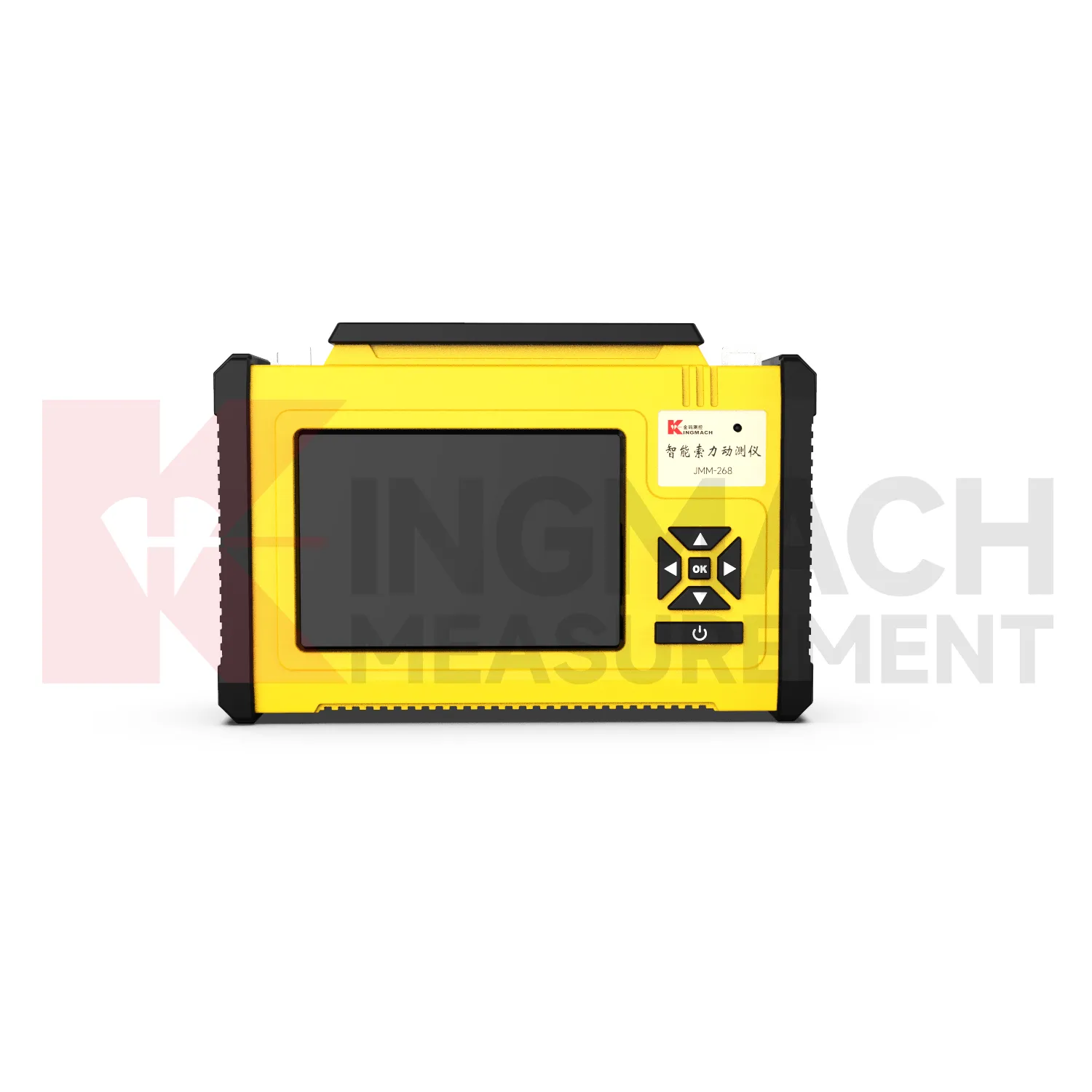
Dynamic acquisition maintenance for Kingmach wireless weather station data logger should focus on timing, synchronization, and signal condition. Check channel connections, grounding, sampling settings, event names, trigger rules, and storage capacity before a test. Dynamic records are difficult to repeat when the event is train passage, blasting, impact, or machinery start-up. After the test, save raw data, event notes, sensor positions, and any abnormal site activity. This maintenance discipline helps engineers interpret the waveform and compare repeated events without uncertainty about the acquisition setup. Before the next test, review whether the previous event was captured cleanly. If a channel clipped, drifted, lost connection, or showed unexpected noise, correct the setup before relying on another event. Dynamic maintenance is therefore part of test quality, not only equipment care. The maintenance file should include sampling settings, trigger notes, cable condition, sensor mounting status, and storage location for raw files. These details help engineers repeat the test method later and compare event records under similar conditions.
Kingmach wireless weather station data logger
Kingmach wireless weather station data logger support projects where many sensor types must be read consistently across installation, construction, and operation. Portable readouts are useful when field crews need immediate confirmation of a vibrating wire sensor, temperature point, or dynamic signal before leaving the site. Fixed and wireless loggers are useful when the project needs unattended monitoring, scheduled acquisition, or remote upload. The buyer should evaluate the complete workflow: which sensors are connected, how often readings are needed, how data is stored, who reviews alarms, and how records are handed over. A reliable acquisition plan reduces missed readings and makes later engineering review easier. For mobile testing, the operator also needs clear channel naming, stable sensor connection, charged power, and a short note about the test condition before the instrument is moved to the next point. For remote stations, the acquisition interval, upload status, battery condition, enclosure condition, and last maintenance visit should remain visible so unattended monitoring does not become a blind record.
FAQ
Q: Where are these devices used?
A: They are used in bridges, tunnels, dams, slopes, buildings, foundation pits, railways, mines, industrial testing, and other monitoring projects.
Q: Why combine readouts with loggers?
A: Readouts confirm field points during visits, while loggers keep collecting data between visits. Together they support both verification and continuity.
Q: What should a remote station show?
A: A remote station should show acquisition status, last upload time, power condition, active channels, storage condition, and recent maintenance history.
Q: How do these devices support reports?
A: They keep readings traceable by time, channel, sensor type, location, and device status so engineers can explain trends and events more clearly.
Q: What causes confusing readings?
A: Loose cables, wrong channel names, weak power, wet enclosures, changed settings, sensor faults, or real site changes can all create confusing records. The record stays useful when point names, channel labels, sensor type, measurement time, and field condition are kept together, because later reviewers can connect the number with the actual structure and inspection history.
Reviews
James Thompson
The tiltmeters and accelerometers are very sensitive and provide precise data. Perfect for our structural health monitoring system.
David Wilson
We purchased displacement transducers and settlement sensors, and the quality exceeded our expectations. Easy installation and reliable performance.
Latest Inquiries
To protect the privacy of our buyers, only public service email domains like Gmail, Yahoo, and MSN will be displayed. Additionally, only a limited portion of the inquiry content will be shown.
Evelyn***@gmail.comSouth Africa
Hi, we are a contractor working on tunnel construction and need settlement sensors and displacement ...
Sophia***@gmail.comUnited Kingdom
Good day, we need environmental monitoring sensors including temperature, humidity, and wind sensors...
Related product categories
- Vibration Signal Acquisition Module
- Strain Signal Acquisition Module
- Multichannel Temperature Acquisition Module
- Isolated Temperature Acquisition Module
- Highprecision Temperature Acquisition Module
- Industrialgrade Central Acquisition Module
- Lowpower Central Acquisition Module
- Highprecision Central Acquisition Module
- Multitype Signal Central Acquisition Module
- RS485 Highspeed Bus Acquisition Module
- Digital Highspeed Bus Acquisition Module
- Vibrating Wire Signal Acquisition System