
 EN
EN
 ar
ar bg
bg hr
hr cs
cs da
da nl
nl fi
fi fr
fr de
de el
el hi
hi it
it ko
ko no
no pl
pl pt
pt ro
ro ru
ru es
es sv
sv tl
tl iw
iw id
id lv
lv lt
lt sr
sr sk
sk sl
sl uk
uk vi
vi et
et hu
hu th
th tr
tr fa
fa ms
ms hy
hy ka
ka ur
ur bn
bn mn
mn ta
ta kk
kk uz
uz ku
ku
strain sensor applications
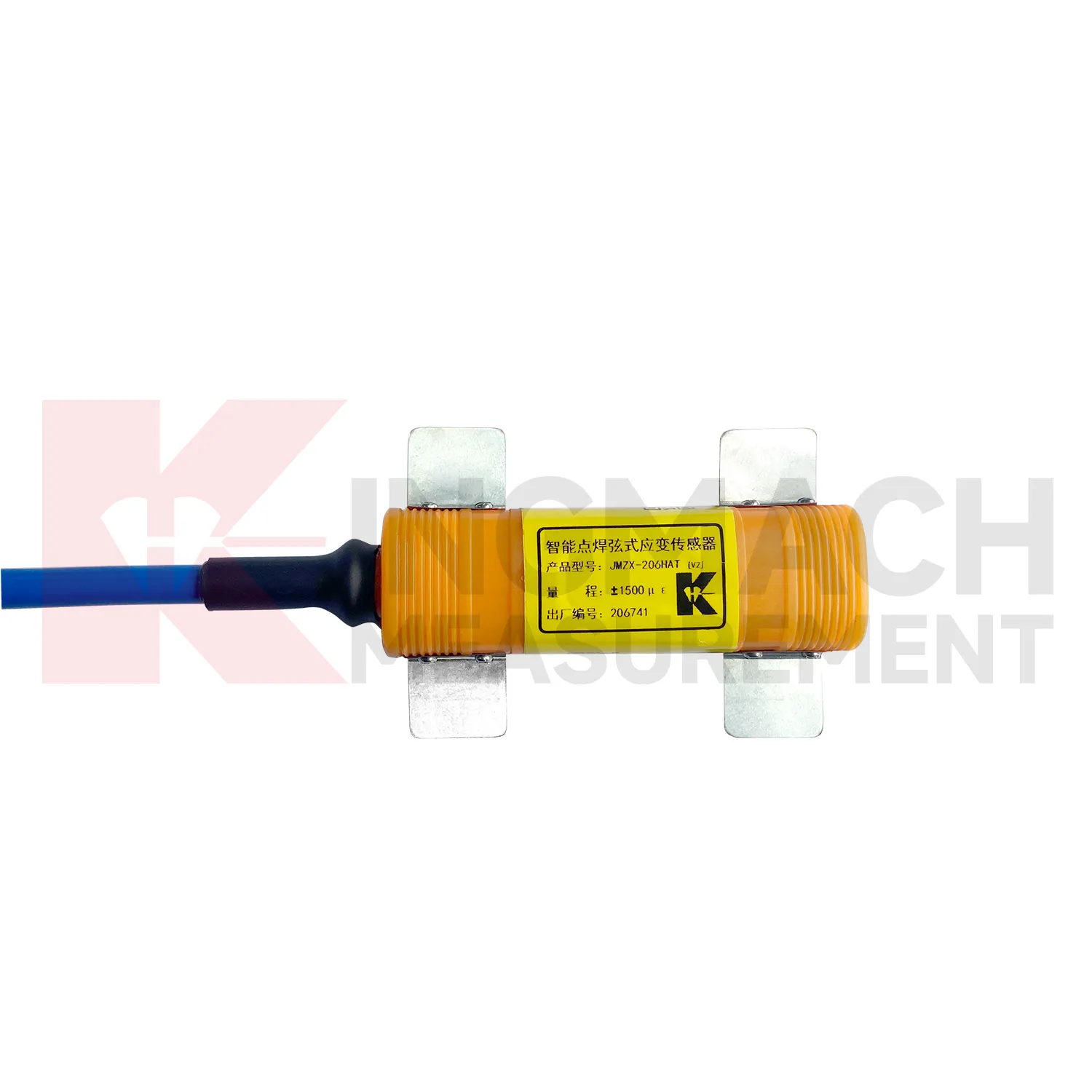
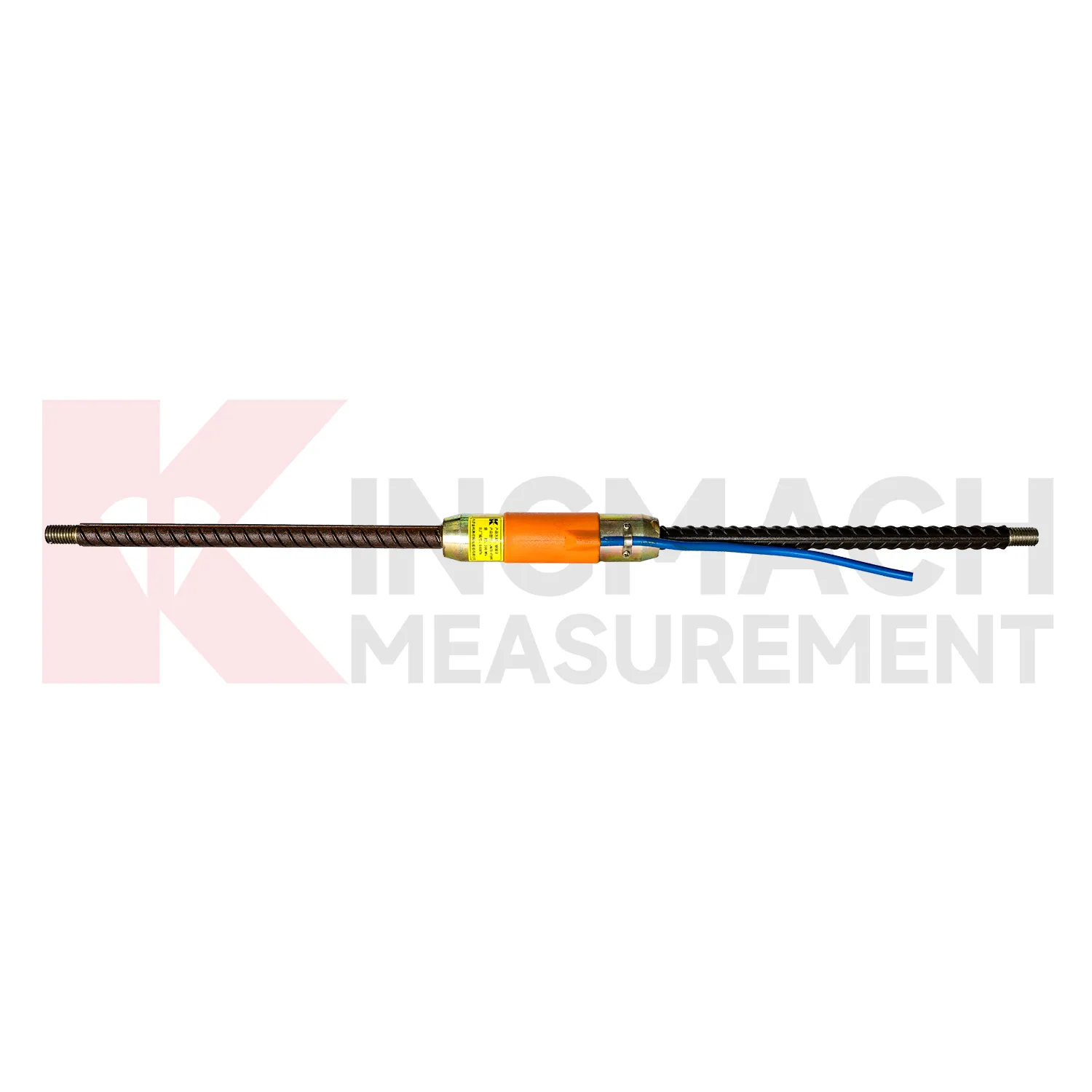
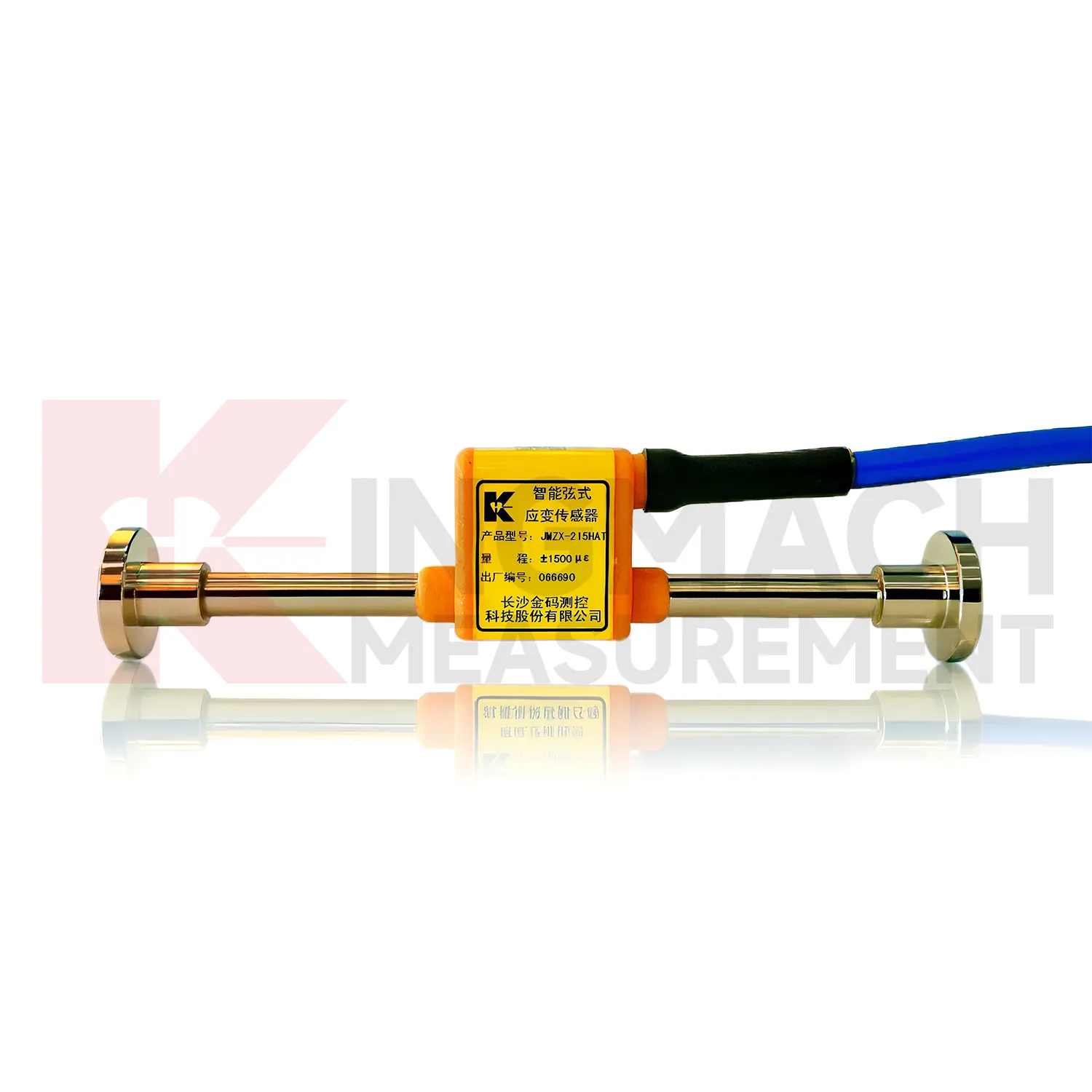
Kingmach {keyword} covers several installation forms for concrete and steel monitoring. The JMZX-215HA/215HAT/HB embedded model is tied to structural rebar or fixed on a mounting bracket before concrete pouring, then used after the concrete reaches the required strength. It is suitable for internal strain measurement in bridges, tunnels, dams, underground structures, piles, and concrete members where surface access is limited. Product parameters include a ±1500 microstrain standard range, 0.5%F.S. strain precision, 0.1 microstrain resolution, and a 146 mm gauge length. The built in high performance exciter uses pulse excitation, giving fast test speed and stable vibrating wire frequency transmission over long distances. A fully sealed stainless steel structure provides waterproof durability up to 150 meters. Kingmach also supports automated acquisition, so the sensor can be used in unattended long term monitoring instead of manual reading only. For projects that need traceable readings, these parameters matter because the sensor may be buried in concrete, fixed on steel, or connected to an unattended data logger for months or years. The combination of range, resolution, waterproofing, and temperature data helps engineers decide where the model fits. That is why model data, calibration values, and channel labels should travel with the product from procurement to commissioning.
Application of strain sensor applications
For online structural health monitoring, {keyword} can be connected with readouts, acquisition modules, DTUs, wireless loggers, and platforms such as Kingmach's Engineering Pulse system. The practical need is continuous data from difficult locations: bridge girders, tunnel linings, dam galleries, reinforced concrete piles, rail stations, and steel supports. Products such as the JMZX-212HAT/HB and JMZX-215HA/215HAT/HB use vibrating wire frequency signals that can transmit over long distances with strong anti interference performance. The JMZX-206HAT welded model adds digital detection and onboard record storage. Once the readings are collected in a platform, engineers can compare strain with displacement, settlement, tilt, acceleration, temperature, and water pressure. That comparison helps reduce false alarms and makes inspection decisions more evidence based. The main advantage is measured evidence at the point where stress is expected to change, giving owners a cleaner basis for inspection, reinforcement, load control, or continued operation. The same record can support staged construction control, post event inspection, and long term maintenance planning. When data is collected automatically, engineers can compare daily movement instead of relying on occasional manual readings. This gives the project team a better way to separate normal behavior from a change that needs inspection. For field use, the strain point should be named, mapped, protected, and reviewed with nearby sensors before any alarm is judged.
The future of strain sensor applications
Installation quality will also become more visible in the future of {keyword}. Many strain monitoring failures begin with poor surface preparation, weak welding, cable damage, water entry, or unclear channel labeling. Smart acquisition systems can help by checking unstable readings, abnormal signal behavior, or sudden baseline shifts soon after installation. Kingmach's welded model already stores calibration coefficients and sensor identity, while temperature versions support correction at the monitoring point. Future field tools may combine these details with mobile installation records, QR codes, and automatic channel registration. That will not make installation effortless, but it will make mistakes harder to hide and easier to correct before the structure enters service. For project owners, the benefit is a monitoring network that explains behavior sooner and keeps records organized enough for later inspection, repair planning, and asset management. It also makes sensor data easier to use in owner reports and maintenance meetings. The strongest gains will come from cleaner records and faster fault checks.
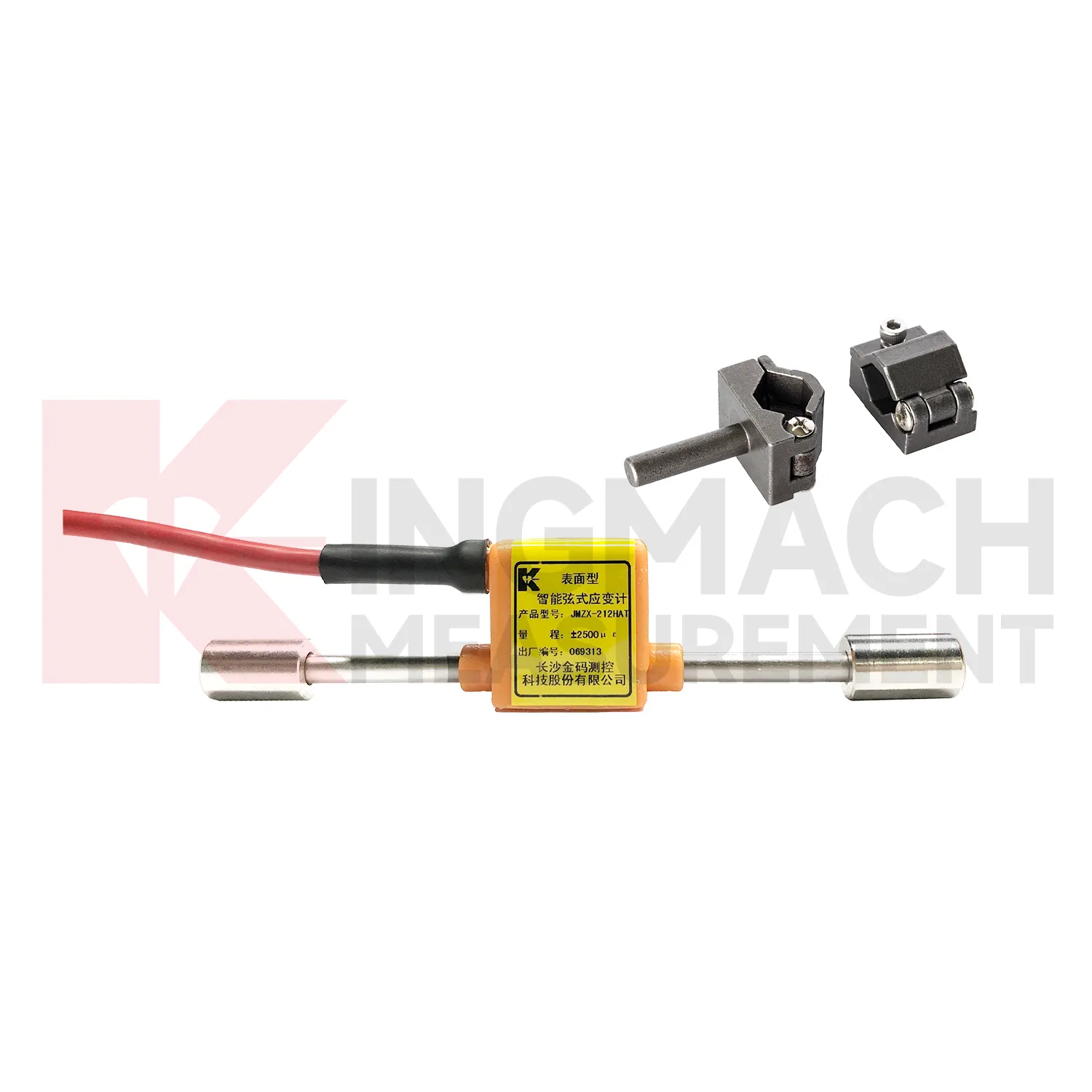
Care & Maintenance of strain sensor applications
Data logger and readout care affects {keyword} performance in the field. Kingmach gauges can work with comprehensive readout units and automated acquisition systems, allowing physical values or vibrating wire frequency to be displayed. During installation, confirm channel order, units, excitation settings, temperature compensation, and sensor type. During use, check power supply, grounding, communication status, memory capacity, and time synchronization. For remote projects, inspect DTU or wireless logger signal strength and backup storage after storms or power cuts. Many false alarms begin with acquisition issues rather than real structural change. A regular check of logger health, cable terminals, and channel names keeps the strain data usable for engineering review. When readings change sharply, the first response should be a calm check of site events, nearby channels, and hardware condition before any costly repair is planned. Keep these checks in the project log. Review the channel after major site work. Replace damaged protection before water reaches the connection.
Kingmach strain sensor applications
Procurement teams often evaluate {keyword} by comparing sensors, manufacturers, data acquisition equipment, and long term support. The useful question is not only price. It is whether the product matches the structure, installation method, output system, environmental exposure, and maintenance plan. Kingmach brings together strain gauges, readouts, automated acquisition units, cables, and monitoring software, which reduces the risk of mismatched field components. For buyers managing bridges, tunnels, dams, buildings, and rail projects, this joined up approach matters. A sensor that is accurate on paper still needs stable transmission, protected wiring, correct calibration data, and practical after sales service. For practical procurement, it also suggests the related equipment that may be needed, including readouts, cables, acquisition modules, and monitoring software. Site records matter. That field record supports later inspection. It also gives engineers a cleaner baseline for later comparison. The same data can guide inspection notes and repair timing. Site records matter.
FAQ
Q: Where is {keyword} used in bridge monitoring?
A: It can be installed on girders, decks, steel beams, reinforcement, piers, and other stress sensitive locations to track traffic load and fatigue behavior.
Q: How does it help tunnel monitoring?
A: Embedded or welded gauges can read lining strain, support force, reinforcement stress, and ground pressure effects during construction and service.
Q: Can it be used in dams?
A: Yes. Embedded and surface models are used for concrete strain, stress state review, temperature related movement, and long term dam safety monitoring.
Q: Is it useful for foundation pits?
A: Yes. Rebar strainmeters and welded gauges can monitor support stress, anchor force changes, brace behavior, and retaining structure response.
Q: What other sensors are often used with it?
A: Displacement meters, settlement sensors, tiltmeters, piezometers, water level meters, accelerometers, and temperature sensors are often used together.
Reviews
Daniel Brown
Excellent environmental monitoring sensors. The data is consistent, and the system integrates smoothly with our existing setup.
James Thompson
The tiltmeters and accelerometers are very sensitive and provide precise data. Perfect for our structural health monitoring system.
Latest Inquiries
To protect the privacy of our buyers, only public service email domains like Gmail, Yahoo, and MSN will be displayed. Additionally, only a limited portion of the inquiry content will be shown.
Isabella***@gmail.comGermany
Hello, we are evaluating weir flow meters for a water management project. Please share accuracy deta...
Sophia***@gmail.comUnited Kingdom
Good day, we need environmental monitoring sensors including temperature, humidity, and wind sensors...