
 EN
EN
 ar
ar bg
bg hr
hr cs
cs da
da nl
nl fi
fi fr
fr de
de el
el hi
hi it
it ko
ko no
no pl
pl pt
pt ro
ro ru
ru es
es sv
sv tl
tl iw
iw id
id lv
lv lt
lt sr
sr sk
sk sl
sl uk
uk vi
vi et
et hu
hu th
th tr
tr fa
fa ms
ms hy
hy ka
ka ur
ur bn
bn mn
mn ta
ta kk
kk uz
uz ku
ku
rosette strain gauge
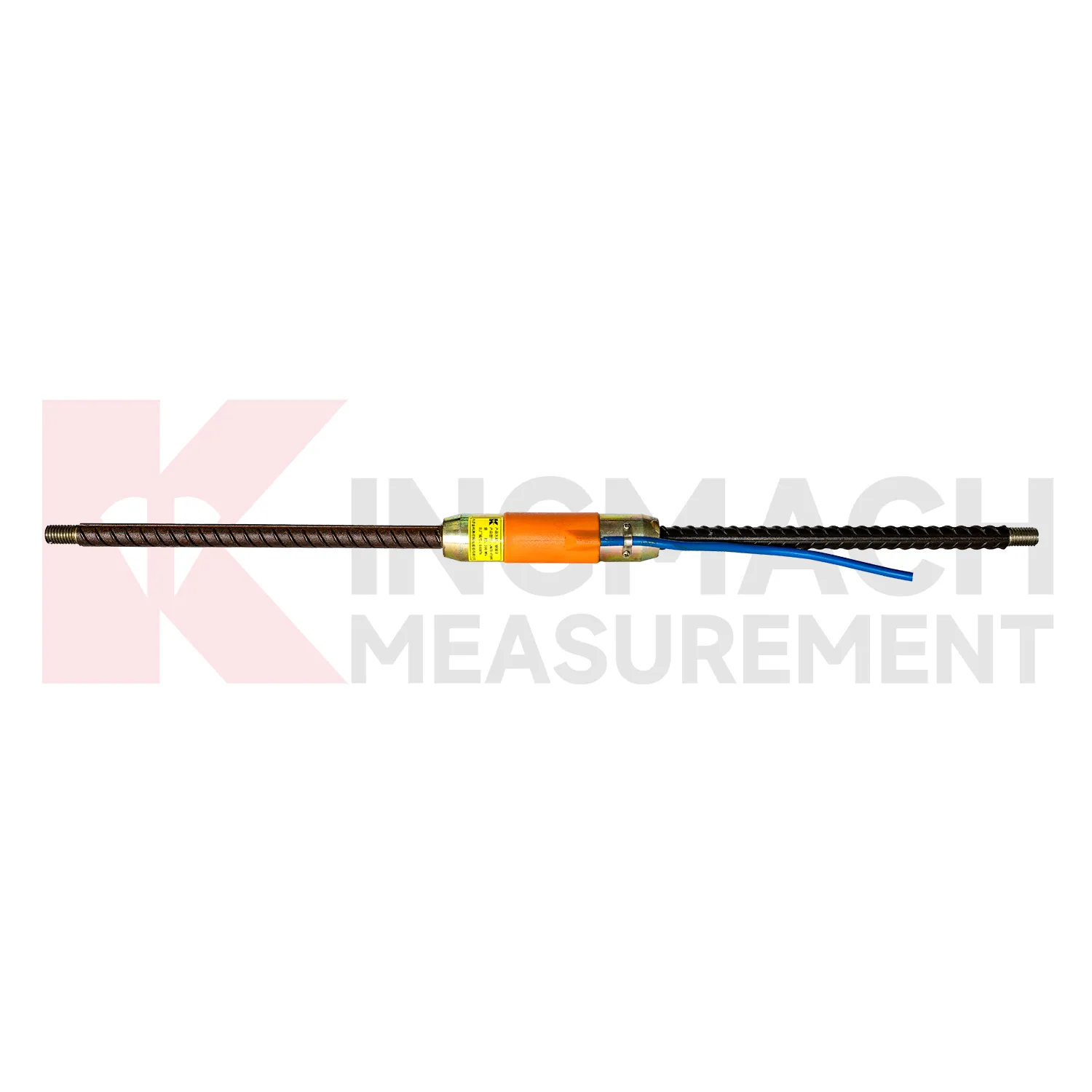
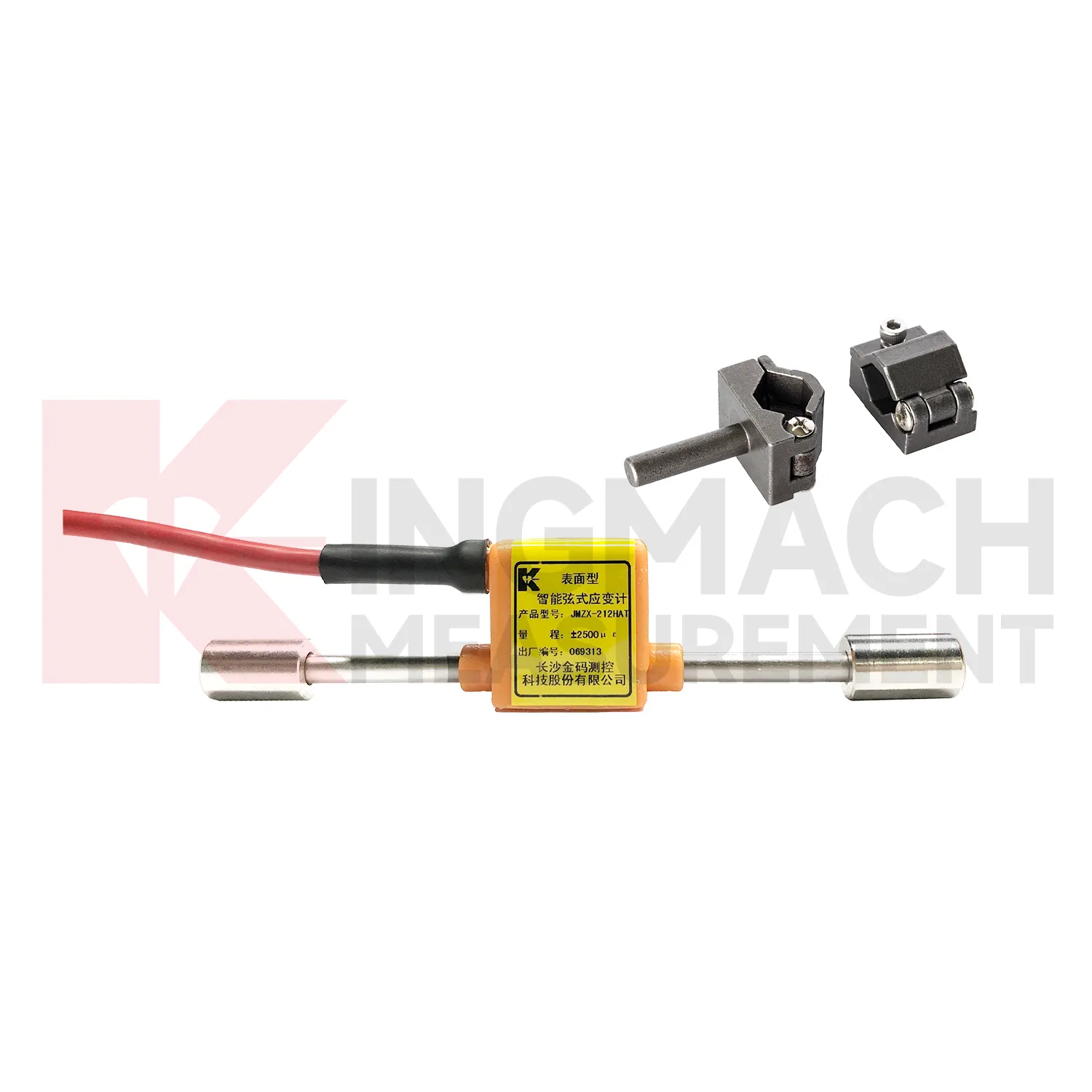
Kingmach {keyword} is suitable for projects that need strain data connected to broader structural health monitoring. The company has operated since 2001 and provides sensors, automated monitoring systems, and smart monitoring platforms for bridges, dams, tunnels, slopes, wind turbines, subways, and buildings. In the strain gauge line, the surface model offers ±2500 microstrain range and 150 meter waterproof performance, the embedded model is tied to rebar before pouring and supports internal concrete strain measurement, and the welded model provides digital detection with storage for up to 800 records. These are not decorative specifications; they answer common project questions about access, durability, traceability, and long distance signal handling. For an engineering buyer, that combination is often more important than a short product label. For Kingmach, the brand information and product specifications work together. The company supplies sensors, acquisition units, and monitoring platforms, so the strain gauge can be specified as part of a complete measurement workflow rather than a loose component. A clear specification record reduces confusion when the same project uses surface, embedded, welded, and rebar based instruments together. That is why model data, calibration values, and channel labels should travel with the product from procurement to commissioning. For field teams, those details also shape installation tools, spare cable length, readout selection, and protection work.
Application of rosette strain gauge
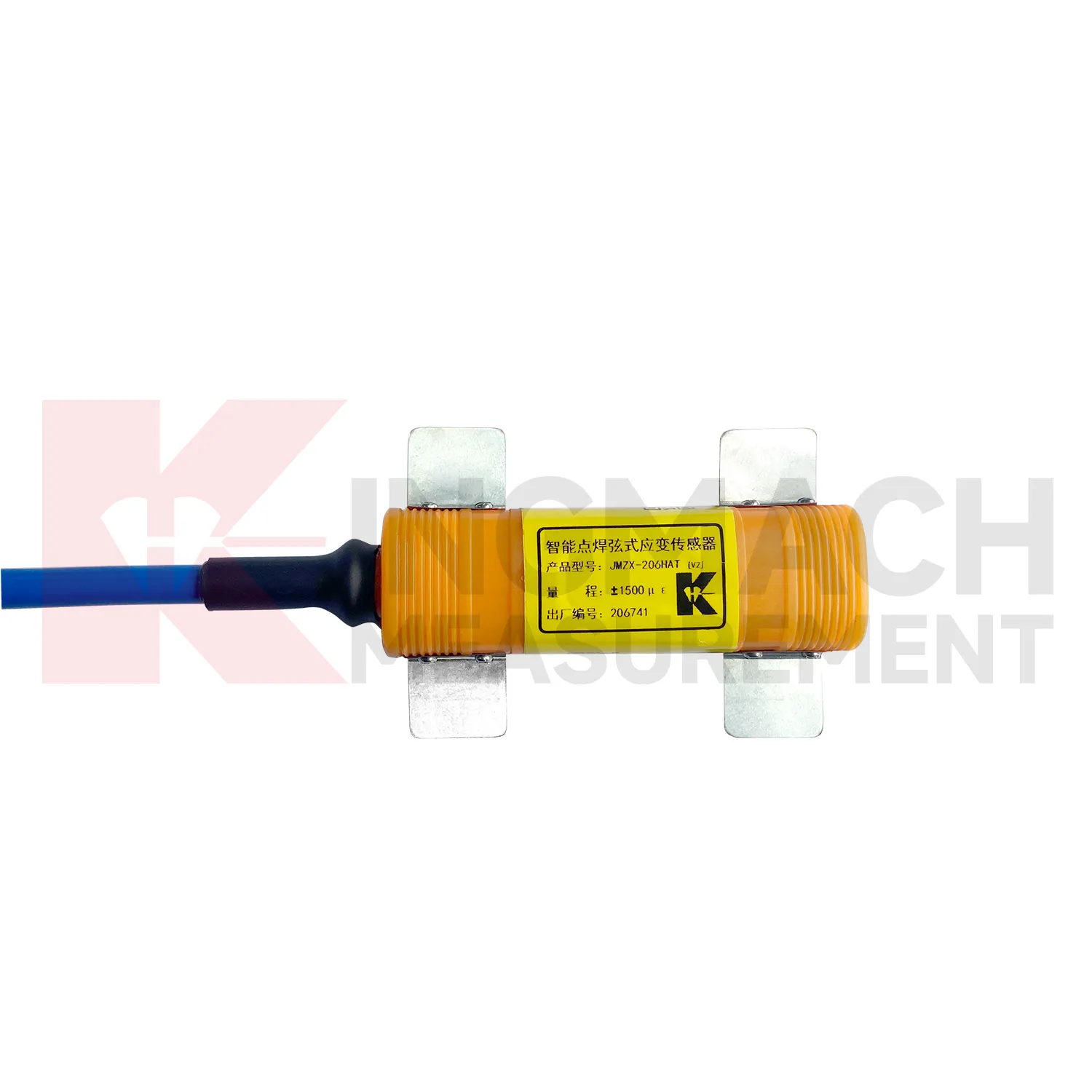
In bridge monitoring, {keyword} is used to track strain in girders, decks, steel beams, piers, reinforcement, and cable related members. The pain point is simple: bridge stress changes under traffic, wind, temperature, repair work, and long term fatigue, but visual inspection cannot show the early strain history. Kingmach surface gauges such as JMZX-212HAT/HB provide a ±2500 microstrain range, 0.5%F.S. accuracy, and 0.1 microstrain resolution for concrete or steel surface measurement. For steel members, the JMZX-206HAT welded model covers -1500 to +2500 microstrain and can store up to 800 measurement records, giving inspectors traceable field information. In bridge SHM, these readings can be compared with deflection, vibration, temperature, and crack data to identify abnormal load transfer, support force changes, or fatigue development before maintenance decisions are made. In practice, the sensor location should be selected around the expected stress path, not placed only where access is convenient. The readings become stronger evidence when they are reviewed with site events, temperature, displacement, settlement, and visual inspection notes. For field use, the strain point should be named, mapped, protected, and reviewed with nearby sensors before any alarm is judged. The same record can support staged construction control, post event inspection, and long term maintenance planning.
The future of rosette strain gauge
Future use of {keyword} in bridges and rail systems will put more attention on fatigue, dynamic loading, and real time maintenance planning. Heavy traffic and repeated train loads create strain cycles that are easy to miss during occasional inspection. Kingmach's strain gauges can already connect with automated acquisition and monitoring platforms, while dynamic strain data loggers and vibration sensors can add context. Over time, AI based trend review may compare strain cycles with traffic periods, temperature, vibration, and displacement to flag unusual behavior. The useful path is specific: more frequent sampling where needed, better channel grouping, and alerts that refer to actual structural zones rather than anonymous numbers. The strongest future systems will still begin with correct model selection. Software can help review data, but it cannot repair a sensor installed in the wrong stress zone. Those improvements fit long term infrastructure monitoring better than one time testing. That path keeps the technology tied to field decisions, not abstract promises.
Care & Maintenance of rosette strain gauge
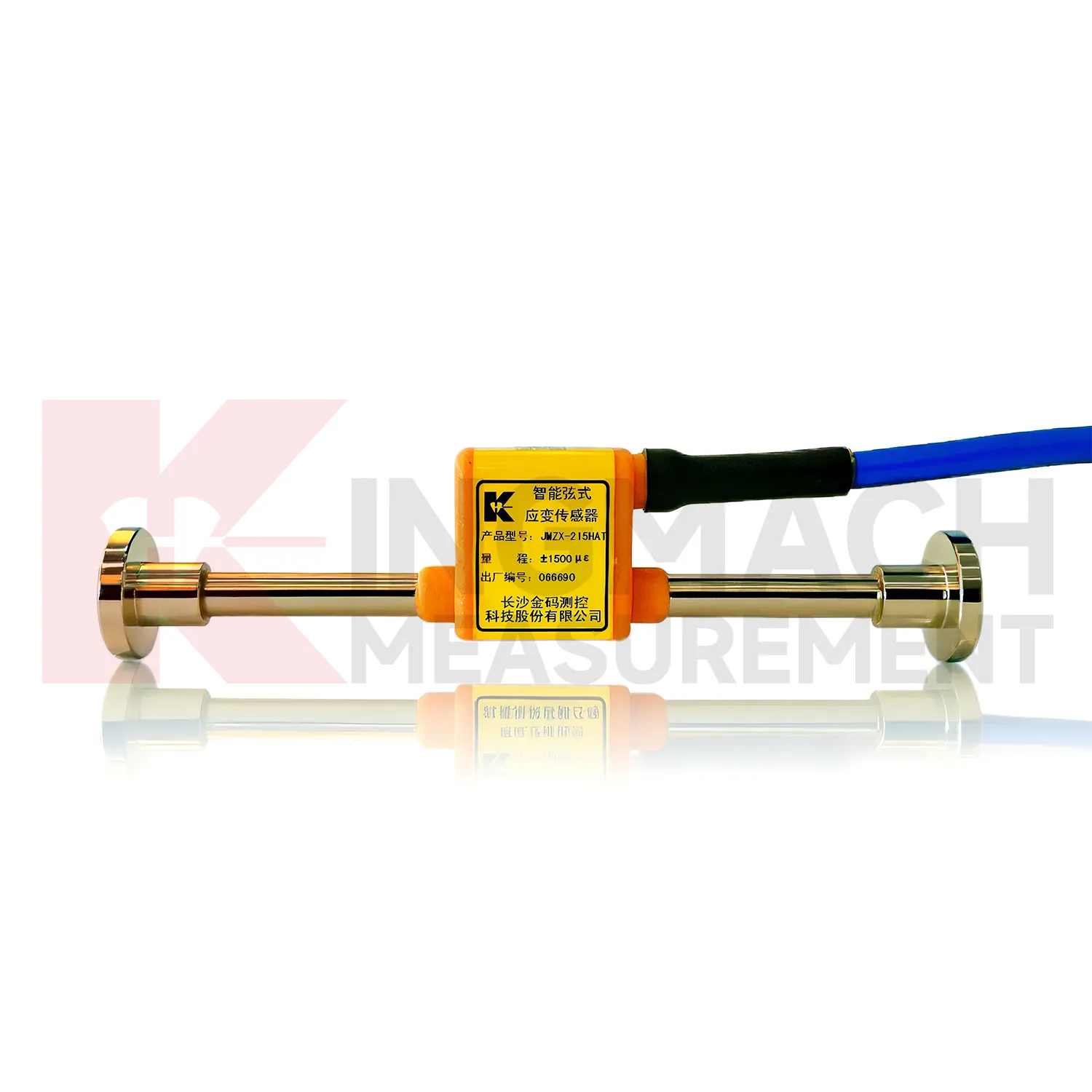
For embedded {keyword}, maintenance focuses on the accessible parts because the sensor itself cannot be reached after concrete pouring. Before pouring, secure the JMZX-215HA/215HAT/HB gauge to rebar or a bracket, protect the cable from pulling, and document its position. After pouring, protect the cable exit, junction box, and acquisition channel. The embedded model has a ±1500 microstrain range, 146 mm gauge length, and 0.1 microstrain resolution, so small changes can be meaningful if the record is clean. During service, check for channel noise, water entry, cable compression, and label loss. If data looks abnormal, inspect the external route first, then compare strain with temperature, settlement, and nearby embedded channels. The goal is to protect the measurement chain from sensor body to platform, because a damaged cable or mislabeled channel can make an accurate gauge look unreliable. Review the channel after major site work. Replace damaged protection before water reaches the connection.
Kingmach rosette strain gauge
Procurement teams often evaluate {keyword} by comparing sensors, manufacturers, data acquisition equipment, and long term support. The useful question is not only price. It is whether the product matches the structure, installation method, output system, environmental exposure, and maintenance plan. Kingmach brings together strain gauges, readouts, automated acquisition units, cables, and monitoring software, which reduces the risk of mismatched field components. For buyers managing bridges, tunnels, dams, buildings, and rail projects, this joined up approach matters. A sensor that is accurate on paper still needs stable transmission, protected wiring, correct calibration data, and practical after sales service. For practical procurement, it also suggests the related equipment that may be needed, including readouts, cables, acquisition modules, and monitoring software. Site records matter. That field record supports later inspection. It also gives engineers a cleaner baseline for later comparison. The same data can guide inspection notes and repair timing. Site records matter.
FAQ
Q: How should {keyword} be maintained?
A: Inspect the sensor protection, cable route, junction boxes, seals, channel labels, and baseline trends. Compare readings with temperature and nearby sensors before judging an alarm.
Q: How often should calibration be checked?
A: Follow project requirements and review calibration before load tests, major construction stages, repair work, or when readings drift without a clear site reason.
Q: What causes unstable readings?
A: Common causes include loose wiring, water entry, damaged cable jackets, poor grounding, surface debonding, weak welds, wrong acquisition settings, and real structural movement.
Q: Can the sensor be replaced after embedment?
A: Usually not without structural work, so embedded gauges need careful installation, cable protection, and documentation before concrete is poured.
Q: What records should be kept?
A: Keep model, serial number, calibration coefficients, location, installation photos, cable route, channel name, baseline readings, and maintenance notes.
Reviews
Matthew Garcia
Instrumentation cables are durable and perform well even in harsh environments. Will definitely order again.
Daniel Brown
Excellent environmental monitoring sensors. The data is consistent, and the system integrates smoothly with our existing setup.
Latest Inquiries
To protect the privacy of our buyers, only public service email domains like Gmail, Yahoo, and MSN will be displayed. Additionally, only a limited portion of the inquiry content will be shown.
Sophia***@gmail.comUnited Kingdom
Good day, we need environmental monitoring sensors including temperature, humidity, and wind sensors...
Isabella***@gmail.comGermany
Hello, we are evaluating weir flow meters for a water management project. Please share accuracy deta...