
 EN
EN
 ar
ar bg
bg hr
hr cs
cs da
da nl
nl fi
fi fr
fr de
de el
el hi
hi it
it ko
ko no
no pl
pl pt
pt ro
ro ru
ru es
es sv
sv tl
tl iw
iw id
id lv
lv lt
lt sr
sr sk
sk sl
sl uk
uk vi
vi et
et hu
hu th
th tr
tr fa
fa ms
ms hy
hy ka
ka ur
ur bn
bn mn
mn ta
ta kk
kk uz
uz ku
ku
Doublelayer Shielded Test Cable
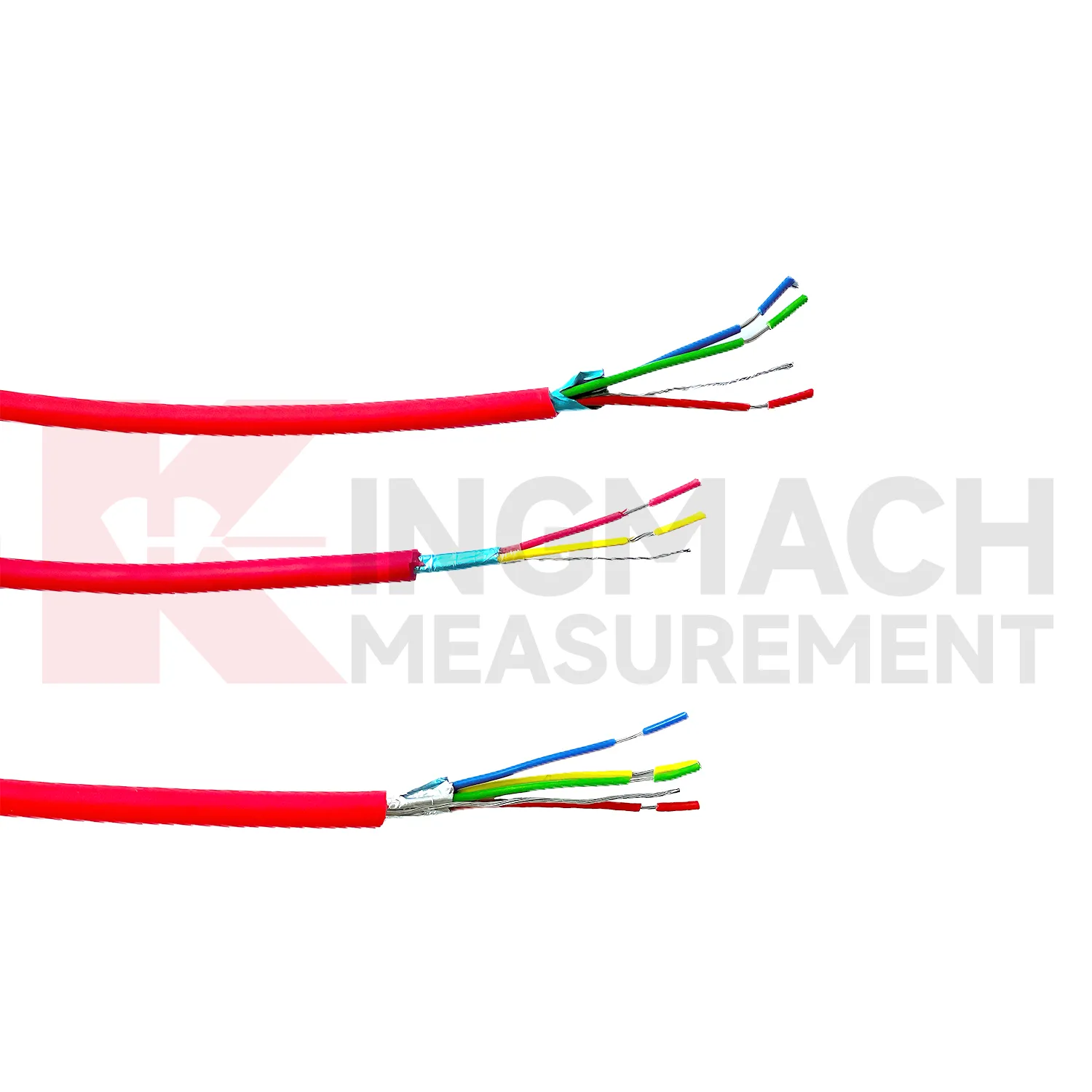
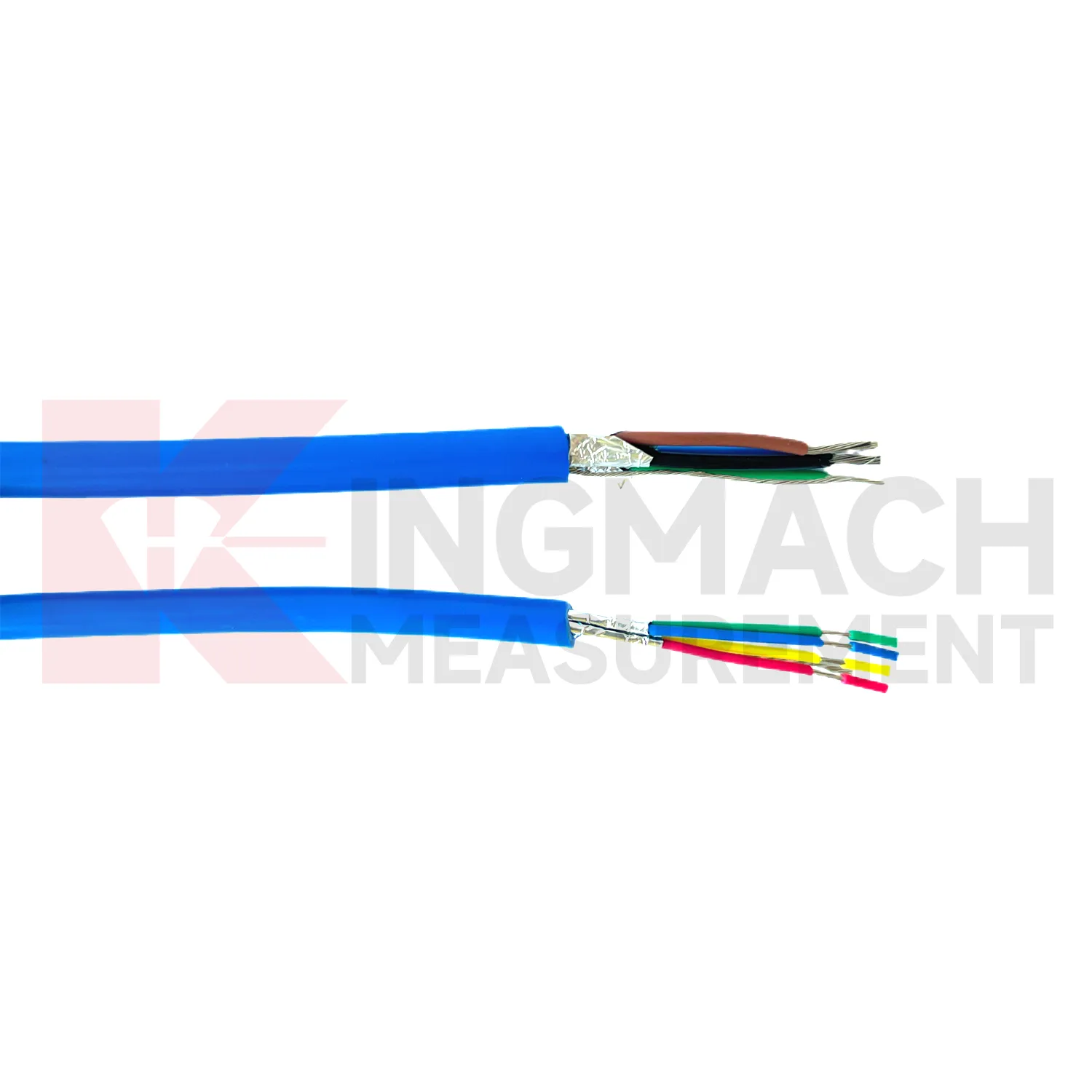
Kingmach Doublelayer Shielded Test Cable include test dedicated shielded wire JMZX-XPX and hydraulic cable JMZX-XSX. JMZX-XPX uses a composite shielding structure for anti-interference work where low-loss sensor signal transmission is needed. It is suited to precise monitoring signals in harsh environments, especially when nearby power equipment or construction activity may affect readings. JMZX-XSX is a special cable for hydraulic engineering, using multi-layer sealing and water-resistant insulation to support power and signal transmission in underwater or humid conditions. Both cables are part of Kingmach Measurement & Monitoring Technology's accessory range for structural monitoring instruments.
Application of Doublelayer Shielded Test Cable
Laboratory and field testing work uses Kingmach Doublelayer Shielded Test Cable when clean signal transmission is required during temporary or repeat measurements. JMZX-XPX is suited to precise sensor signal transmission because its composite shielding resists electromagnetic and radio-frequency interference. In testing setups, cable movement, nearby equipment, and temporary power can all affect readings if wiring is weak. A shielded test cable with stable insulation helps the team focus on the instrument output and test condition rather than chasing avoidable noise in the connection path.
The future of Doublelayer Shielded Test Cable
Digital twin projects will use Kingmach Doublelayer Shielded Test Cable as part of the physical link between a real structure and its virtual record. A twin needs sensor data that can be traced back to known points, known channels, and known installation routes. Cable documentation will therefore become part of the model history, not merely a maintenance note. When a bridge, dam, tunnel, or building record changes, reviewers can check both structural behavior and cable condition before updating risk status or maintenance plans.
Care & Maintenance of Doublelayer Shielded Test Cable
Before installing Kingmach Doublelayer Shielded Test Cable, confirm the route, core count, cable model, wet exposure, interference sources, bending points, and cabinet entry method. JMZX-XPX is suitable when shielded signal transmission is the priority, while JMZX-XSX should be considered where hydraulic, humid, or underwater conditions add sealing and tensile demands. Do not let the final route be decided only after workers arrive on site. A short pre-installation review prevents cable shortages, wrong core use, poor conduit placement, and rushed terminations that later create unstable readings.
Kingmach Doublelayer Shielded Test Cable
Kingmach Doublelayer Shielded Test Cable give engineers a practical way to standardize sensor wiring across mixed instrument projects. A single structure may use vibrating wire strain gauges, load cells, displacement meters, tiltmeters, piezometers, settlement sensors, temperature sensors, and readout or data logger equipment. Without consistent cable selection and labeling, the cabinet becomes difficult to inspect after a few months of field changes. Layered shielding, multi-core options, and marked Kingmach delivery help the team maintain traceability from sensor to recorder. When later readings are reviewed, that traceability supports faster checks of channel identity, cable condition, and connection history.
FAQ
Q: What are Kingmach Doublelayer Shielded Test Cable used for?
A: They connect monitoring sensors, acquisition equipment, cabinets, and data recorders while helping protect signal transmission in demanding field environments.
Q: Which cable models are listed in this category?
A: The local product pages list test dedicated shielded wire JMZX-XPX and hydraulic cable JMZX-XSX.
Q: What is JMZX-XPX designed for?
A: It is a shielded test wire with composite shielding for low-loss sensor signal transmission and resistance to EMI and RFI.
Q: What is JMZX-XSX designed for?
A: It is a hydraulic engineering cable with multi-layer sealing and water-resistant insulation for humid, underwater, or wet routes.
Q: Where are these cables commonly applied?
A: They are used in bridges, tunnels, slopes, buildings, dams, foundation pits, railways, hydraulic works, and mixed monitoring systems.
Reviews
James Thompson
The tiltmeters and accelerometers are very sensitive and provide precise data. Perfect for our structural health monitoring system.
Daniel Brown
Excellent environmental monitoring sensors. The data is consistent, and the system integrates smoothly with our existing setup.
Latest Inquiries
To protect the privacy of our buyers, only public service email domains like Gmail, Yahoo, and MSN will be displayed. Additionally, only a limited portion of the inquiry content will be shown.
Emma***@gmail.comCanada
Dear Sir/Madam, we are interested in displacement transducers and settlement sensors for a geotechni...
Sophia***@gmail.comUnited Kingdom
Good day, we need environmental monitoring sensors including temperature, humidity, and wind sensors...